Jimmy Lai’s 20-Year Sentence: Starmer’s Beijing Response and the People’s Verdict on Press Freedom in Hong Kong
Hong Kong court sentences British citizen and media tycoon Jimmy Lai to 20 years under the National Security Law. This analysis examines UK Prime Minister Keir Starmer’s remarks during his Beijing visit, global reactions, and what the sentence means for press freedom and public opinion.
In early February 2026, Hong Kong’s High Court handed down a 20-year prison sentence to Jimmy Lai, a 78-year-old British citizen and founder of the pro-democracy newspaper Apple Daily, for national security offences, including conspiracy to collude with foreign forces and publishing seditious materials under Hong Kong’s controversial National Security Law (NSL). The landmark ruling has drawn intense international scrutiny, diplomatic engagements at the highest level, and a fierce public debate over the future of civil liberties and press freedom in the city. (Reuters)
Starmer’s Beijing Engagement: Diplomatic Nuance or Missed Opportunity?
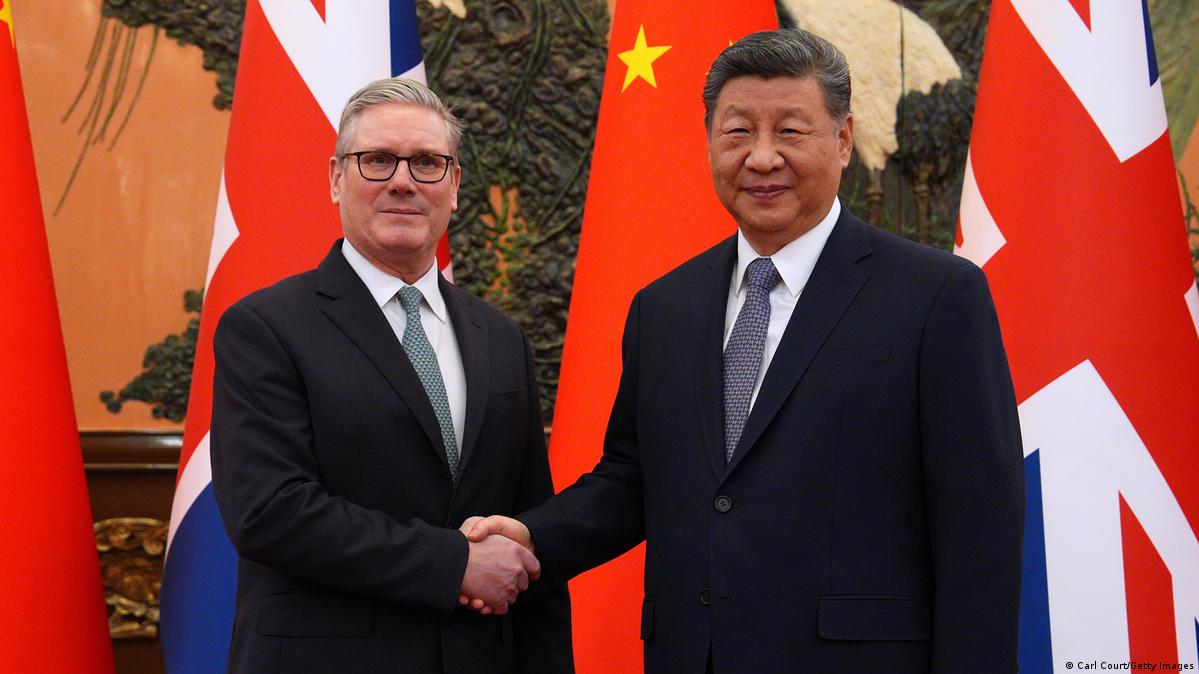
In late January 2026, UK Prime Minister Keir Starmer made the first official British prime ministerial visit to China in eight years, a trip that included discussions with Chinese President Xi Jinping. During that visit, Starmer raised Jimmy Lai’s case directly with Xi, alongside broader concerns about human rights, including the treatment of Uyghurs in Xinjiang. In response to reporters, Starmer described the engagement as a “mature discussion” on issues where the two countries disagreed - noting that such diplomacy was essential to balance cooperation with frank dialogue on rights concerns.
Starmer’s measured phrasing - stressing respect and opportunity alongside disagreements - reflects a diplomatic tightrope: maintaining ties with Beijing while signaling concern over what many see as the erosion of freedoms in Hong Kong. Yet some critics argue the tone was too cautious, given the severity of Lai’s sentence. A UK All-Party Parliamentary Group on Arbitrary Detention and Hostage Affairs described Starmer’s trip as a missed chance to secure Lai’s release, warning that opportunities for diplomatic leverage may have been squandered. (Sky News)
UK Government Response: Balancing Pressure and Engagement
Following Lai’s sentencing, UK Foreign Secretary Yvette Cooper condemned the trial as “politically motivated” and urged Hong Kong authorities to end his “appalling ordeal” on humanitarian grounds, citing concerns about his deteriorating health. The UK stated it “will rapidly engage further with Chinese authorities” on Lai’s case, recognizing the sentence as “tantamount to a life sentence” for the elderly defendant.
But this stance has drawn criticism domestically as well: Lai’s son, Sebastien Lai, publicly called the Starmer government’s diplomatic response insufficient, suggesting that the UK failed to condition stronger engagement on securing his father’s release. His remarks capture the frustration among Lai’s supporters who hoped Starmer’s visit would produce a clearer challenge to China’s actions. (Malay Mail)
International Human Rights Reaction: Defining the Sentence
Rights organizations have been unequivocal in their condemnation. Amnesty International described Lai’s 20-year sentence as a “cold-blooded attack on freedom of expression,” asserting that the NSL is increasingly used to criminalize dissent and curtail fundamental rights in Hong Kong. Amnesty’s deputy regional director said Lai’s imprisonment “epitomizes the systematic dismantling of rights that once defined Hong Kong.” (Amnesty International)
Similarly, Human Rights Watch characterized the sentence as “effectively a death sentence” given Lai’s age and ongoing health issues, and media watchdogs warned that the ruling represents a stark milestone in the erosion of press freedom and judicial independence.
On the other side of the debate, Chinese authorities and Hong Kong officials have defended the verdict, describing it as a lawful response to actions they say undermined national security and stability. Beijing’s Foreign Ministry emphasized respect for sovereignty and warned foreign governments against “interfering” in what it calls internal legal matters. (Anadolu Ajansı)
The Public and Diaspora Verdict: Voices of Support and Frustration
Public opinion - domestically in Hong Kong and internationally - illustrates just how polarizing Lai’s case has become. Supporters view Lai as a symbol of resistance against escalating restrictions on speech and civil liberties. Former Apple Daily staffers and Hong Kong residents gathered outside the courthouse on sentencing day, expressing shock and sorrow at the severity of the ruling, with some equating it to a near-lifetime imprisonment for a man of his age. (BusinessWorld)
Lai’s son Sebastien, told the BBC that his father’s sentencing “tells you all you need to know” about UK–China relations, implying that diplomatic ties have not been leveraged effectively to protect human rights. He emphasized Lai’s dedication to freedom, saying the sentence was “incredibly heartbreaking” and reflective of broader tensions between democratic values and strategic realpolitik.
Online discourse reflects similar divisions. Some commenters suggest the harsh sentence underscores China’s tightening control and the limited practical impact of foreign diplomatic criticism, while others express dismay at what they view as tacit prioritization of economic and geopolitical cooperation over human rights advocacy. (reddit.com)
Wider Implications: Press Freedom and the NSL Precedent
Beyond Lai’s personal plight, his sentence has become emblematic of a broader clampdown on freedom of expression and media independence in Hong Kong. Established as part of China’s response to the 2019 pro-democracy protests, the NSL has been repeatedly criticized for its broad and ambiguous definitions of “collusion” and “danger to national security,” which critics say encompass legitimate journalistic activity and civil discourse.
Press freedom rankings for Hong Kong have fallen sharply in recent years, and Lai’s sentencing - the harshest imposed under the NSL so far - is seen by many analysts as reinforcing a chilling effect on independent media and dissenting voices.
Conclusion: Diplomatic Statements vs. Public Sentiment
Jimmy Lai’s 20-year sentence crystallizes a multifaceted geopolitical and human rights dilemma. On one hand, diplomatic efforts by leaders like Keir Starmer signal continued concern and engagement on human rights with China. On the other hand, critics argue that such engagements fall short without stronger leverage or conditionality attached to broader strategic negotiations. Meanwhile, rights organizations and Lai’s family continue to decry the sentence as unjust, a verdict not just on one man, but on the future of press freedom and civil liberties in Hong Kong.
The public verdict remains divided: some see hard diplomacy and principled stands as essential; others perceive realpolitik overshadowing the defence of fundamental freedoms. What is clear is that Jimmy Lai’s case will remain a reference point in debates over international diplomacy, human rights advocacy, and the global struggle to protect press freedom in an increasingly contested world.