Jason Collins Dies at 47: Tributes Pour in for NBA’s First Openly Gay Player
Former NBA star and trailblazer Jason Collins has died at 47 after battling brain cancer. Tributes are pouring in for the first openly gay active NBA player whose courage changed professional sports forever.
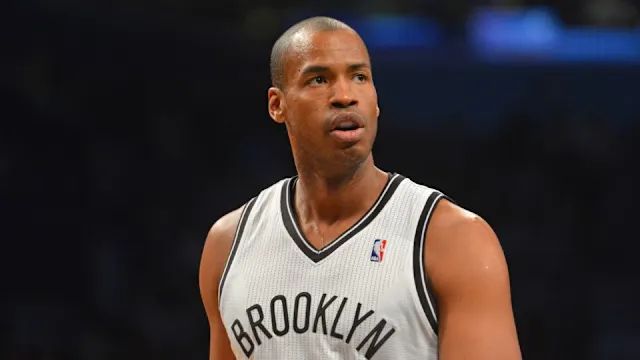
The basketball world and LGBTQ+ community are mourning the death of former NBA player Jason Collins, who died at the age of 47 after battling Stage 4 glioblastoma, an aggressive form of brain cancer.
Collins’ family confirmed his death on Tuesday in a statement released through the NBA, describing him as an inspiration whose courage transformed lives both inside and outside sports. (Reuters)
“Jason changed lives in unexpected ways and was an inspiration to all who knew him and to those who admired him from afar,” his family said. “We are grateful for the outpouring of love and prayers over the past eight months.” (ESPN.com)
Collins made global headlines in 2013 when he publicly came out as gay while still an active NBA player, becoming the first openly gay athlete in any of North America’s four major men’s professional sports leagues. His announcement marked a historic moment not only for basketball but for professional sports worldwide. (The Washington Post)
At the time, his decision was considered groundbreaking in a sports culture where many athletes feared discrimination or backlash if they openly discussed their sexuality. Collins’ courage earned praise from fellow athletes, fans, politicians, and civil rights groups.
Former U.S. President Barack Obama had publicly applauded Collins in 2013, saying the athlete’s honesty would help countless young people struggling with identity and acceptance.
Born in California in 1978, Collins enjoyed a 13-year NBA career after being selected 18th overall in the 2001 NBA Draft by the Houston Rockets before being traded to the New Jersey Nets. He later played for the Memphis Grizzlies, Minnesota Timberwolves, Atlanta Hawks, Boston Celtics, and Washington Wizards during his career.
Known more for his defense, leadership, and physical play than flashy scoring, Collins earned widespread respect from teammates and coaches throughout the league. He helped lead the Nets to back-to-back NBA Finals appearances in 2002 and 2003 alongside stars such as Jason Kidd.
Although Collins retired from basketball in 2014, his influence only grew stronger after leaving the court. He became a leading advocate for inclusion, diversity, and LGBTQ+ acceptance in sports. Many younger athletes who later came out publicly credited Collins for helping change perceptions across professional athletics.
The former center revealed in late 2025 that he had been diagnosed with Stage 4 glioblastoma, one of the deadliest forms of brain cancer. According to reports, he underwent treatment in both the United States and Singapore, where he reportedly received experimental therapies aimed at slowing the disease.
Despite his illness, Collins continued making public appearances earlier this year and remained active in advocacy efforts connected to the NBA and LGBTQ+ causes. Friends and colleagues described him as resilient and optimistic, even during his health struggles. (Them)
NBA Commissioner Adam Silver paid tribute to Collins shortly after news of his death broke, calling him “a trailblazer whose impact transcended basketball.” Silver also praised Collins for his compassion, leadership, and commitment to equality. (The Sun)
Social media quickly filled with tributes from players, celebrities, fans, and advocacy groups remembering Collins as both a sports pioneer and a symbol of courage.
On Reddit and basketball forums, fans shared emotional reflections about the significance of Collins’ 2013 announcement. Many users noted that younger fans may not fully understand how groundbreaking it was for a professional male athlete to openly come out during that era. Several commenters described Collins as someone who “opened doors” for future generations. (The Guardian)
Former teammates also recalled Collins’ professionalism and selflessness. Those who played alongside him frequently described him as a dependable locker-room leader who prioritized team success above personal glory.
Collins’ legacy extended beyond basketball statistics. Many advocates believe his decision to publicly embrace his identity helped reshape conversations about sexuality in sports and encouraged leagues to adopt more inclusive policies.
In addition to his activism, Collins became a mentor and ambassador for several youth and equality programs after retirement. He also frequently participated in NBA outreach initiatives and speaking engagements focused on inclusion and mental health awareness.
His death has once again sparked conversations about glioblastoma, the aggressive cancer that also claimed the lives of several notable public figures in recent years. Medical experts describe the disease as one of the most difficult forms of cancer to treat because of its rapid growth and tendency to return after treatment. (The Times of India)
For millions of basketball fans, however, Jason Collins will be remembered not only as a dependable NBA veteran but as a man whose courage permanently changed professional sports culture.
His willingness to live openly and honestly helped redefine what acceptance could look like in elite athletics, leaving behind a legacy that extends far beyond the basketball court.