Japan Breaks from Post-WWII Pacifism with Sweeping Arms Export Reform
Japan has loosened its decades-old arms export restrictions, marking a historic shift from its post-World War II pacifist stance. Here’s what the new policy means for global security and alliances.
Japan has taken a historic step that could redefine its global role in security and defense. In April 2026, Tokyo announced a sweeping overhaul of its arms export rules effectively dismantling decades-old restrictions rooted in its post-World War II pacifist constitution. The move signals not just a policy tweak, but a fundamental shift in how Japan sees its place in an increasingly volatile world.
For nearly eight decades, Japan maintained strict limitations on exporting military equipment, guided by a deeply ingrained pacifist doctrine. Today, that framework is being rewritten.
A Landmark Policy Shift
The new guidelines approved by the Japanese government allow for the export of a wide range of defense equipment including lethal weapons such as missiles, warships, and fighter jets something that was previously prohibited. (AP News)
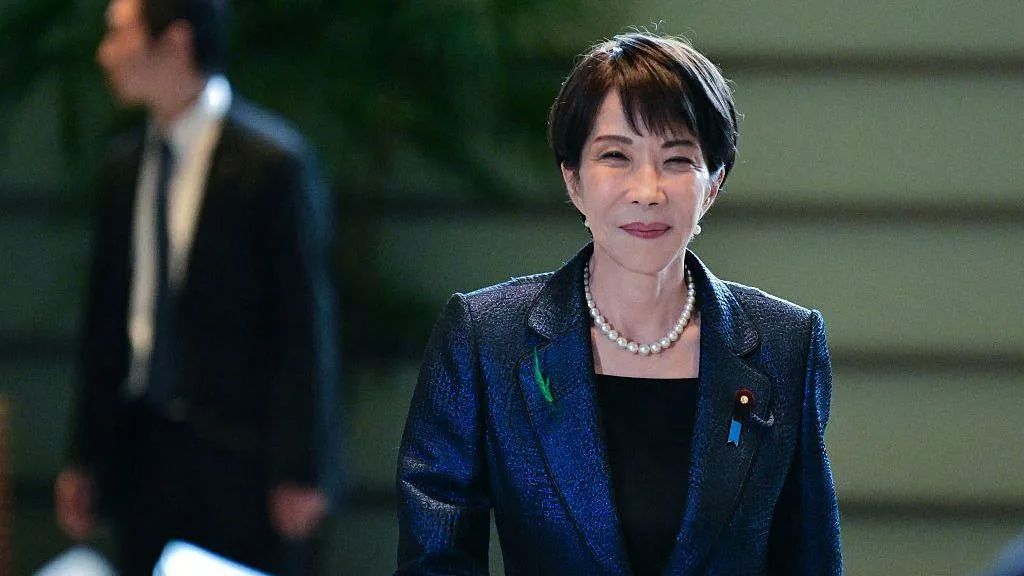
Prime Minister Sanae Takaichi described the move as necessary in a changing global security landscape. Under the revised rules, Japan will now permit arms exports to a select group of partner countries with existing defense agreements currently numbering around 17, including the United States, United Kingdom, and Australia. (The Washington Post)
While restrictions remain such as general bans on exports to countries actively engaged in conflict - the framework allows for exceptions when deemed critical to Japan’s national security. (Anadolu Ajansı)
Crucially, the policy eliminates earlier limitations that confined exports to non-lethal or strictly defensive categories like rescue, transport, and surveillance.
The End of a Pacifist Era?
Japan’s postwar identity has long been shaped by Article 9 of its constitution, which renounces war and limits military capabilities. This principle gave rise to some of the strictest arms export controls in the world, formalized in the 1967 “Three Principles on Arms Exports.” (Wikipedia)
Although these restrictions were partially eased in 2014 under former Prime Minister Shinzo Abe, allowing limited transfers for humanitarian and cooperative purposes - the 2026 reforms go much further. (Reuters)
Analysts now see the latest move as Japan’s clearest departure yet from its pacifist doctrine. By opening the door to global arms sales, Tokyo is aligning itself more closely with Western defense norms and expectations.
Why Now? Geopolitics and Pressure
Several factors are driving this dramatic policy evolution.
First is the changing security environment in East Asia. Rising tensions with China, North Korea’s advancing nuclear program, and concerns about regional stability have pushed Japan to strengthen its defense posture. (Wall Street Journal)
Second is uncertainty surrounding the United States, Japan’s key security ally. With shifting U.S. foreign policy priorities and strained military production due to ongoing conflicts in Ukraine and the Middle East, allies are increasingly looking for alternative defense partners.
Japan’s entry into the global arms market could help fill that gap. Countries in Europe and Asia have already expressed interest in Japanese defense technology, from naval vessels to advanced electronics systems. (Kursiv Media Kazakhstan)
Finally, the move is also economic. Japan’s defense industry long constrained by export bans now can expand, innovate, and compete globally. Officials hope this will strengthen domestic production capabilities and reduce reliance on foreign suppliers.
Strategic Partnerships and Opportunities
The policy shift is expected to deepen Japan’s military partnerships. Tokyo is already collaborating with the United Kingdom and Italy on a next-generation fighter jet project, and discussions are underway for naval equipment transfers to countries like the Philippines.
Australia has also shown interest in Japanese warships, potentially leading to multi-billion-dollar defense deals. (AP News)
By exporting arms, Japan can strengthen alliances not just through diplomacy, but through shared defense infrastructure creating long-term strategic interdependence.
Domestic Backlash and Constitutional Concerns
Despite international support, the move has sparked controversy at home.
Opposition parties and civil society groups argue that loosening arms export rules undermines Japan’s pacifist constitution and could entangle the country in global conflicts. (China Daily Asia)
Protests have erupted in Tokyo, with critics warning that the policy could lead Japan down a path toward remilitarization. (Xinhua News)
Some legal experts also question whether the new rules are compatible with Article 9, raising the possibility of future constitutional challenges.
Global Reactions: Support and Skepticism
International responses have been mixed.
Allies such as the United States, Australia, and several European nations have welcomed the move, seeing it as a boost to collective security and a way to diversify defense supply chains.
China, however, has strongly criticized the decision, accusing Japan of abandoning its pacifist commitments and reviving militaristic tendencies.
The shift also raises broader questions about global arms proliferation and whether Japan’s entry into the market will intensify competition and regional tensions.
A New Role in the World Stage
Japan’s decision to loosen arms export rules marks a turning point in its postwar history. No longer content to remain a passive security player, Tokyo is stepping into a more assertive role one that blends military capability, industrial ambition, and geopolitical strategy.
Whether this transformation will enhance stability or contribute to new tensions remains to be seen. What is clear, however, is that Japan’s pacifist era is evolving, and the ripple effects will be felt far beyond its borders.