Jaguar Land Rover to Cut 4,000 Jobs Over Two Years as Chinese Competition and Tariffs Bite
Jaguar Land Rover will cut around 4,000 jobs globally over the next two years as the luxury carmaker targets £1.7 billion in savings amid Chinese competition, tariffs and falling sales.
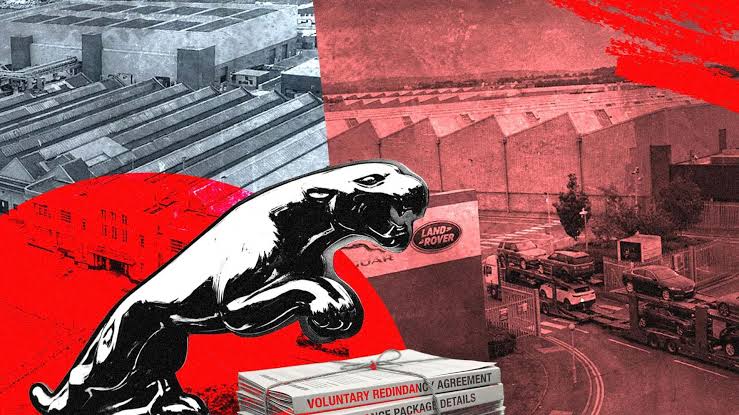
Jaguar Land Rover (JLR) is set to cut around 4,000 jobs globally over the next two years, as the British luxury carmaker launches a major cost-cutting programme aimed at protecting its competitiveness amid declining sales, rising costs, tariffs and intensifying competition from Chinese automakers.
The job reductions, equivalent to roughly 10% of JLR's global workforce, form part of a broader turnaround strategy that seeks to deliver approximately £1.7 billion ($2.3 billion) in savings.
The company, owned by India's Tata Motors, said the restructuring is necessary to create a more competitive and sustainable business while continuing to invest heavily in new vehicles, electrification and digital technology.
JLR Confirms 4,000 Job Cuts
JLR employs roughly 43,000 people globally, with about 34,000 based in the United Kingdom. The company has not provided a final breakdown of where all the job losses will occur.
However, reports indicate that the cuts will largely affect salaried and management positions rather than frontline manufacturing workers.
JLR is expected to use voluntary redundancy programmes as part of the process, meaning many affected employees will initially be offered the opportunity to leave the company voluntarily.
The announcement comes at a difficult period for Britain's automotive industry, with manufacturers facing weak demand, expensive production, the transition to electric vehicles and increasing competition from Chinese producers.
Why Is Jaguar Land Rover Cutting Jobs?
Several pressures are behind JLR's decision.
One of the most significant is the rapid growth of Chinese electric vehicle manufacturers. Companies from China have become increasingly competitive in global markets, offering technologically advanced vehicles at prices that can undercut established European manufacturers.
JLR is particularly exposed to changes in the Chinese market because China has traditionally been an important market for its luxury vehicles.
The company is therefore attempting to lower its costs while repositioning its brands for a rapidly changing automotive industry.
JLR is also dealing with the consequences of US tariffs, which have increased the cost and complexity of selling vehicles in the American market.
The company has additionally been affected by a major cyberattack in 2025, which disrupted production and operations for an extended period. The disruption added to financial pressure at a time when the company was already facing challenging market conditions.
£1.7 Billion Savings Target
The job reductions are part of a wider plan to simplify JLR's operations and reduce its cost base.
The company has set a target of approximately £1.7 billion in savings over the next two years.
JLR also wants to reduce its break-even point to about 300,000 vehicles annually, meaning it would require fewer vehicle sales to cover its costs and become profitable.
That objective is increasingly important in a global automobile market where traditional manufacturers are struggling to maintain margins while investing billions in electric vehicles, software and new manufacturing technologies.
The company said the restructuring is intended to make the organisation more resilient rather than simply reduce its workforce.
Investment in Electric Vehicles Will Continue
Despite announcing thousands of job cuts, JLR is not abandoning its investment programme.
The company plans to spend between £15 billion and £18 billion over the next five years on electrification, digital technologies and manufacturing upgrades.
It also expects to launch five new products over the next 12 months.
The strategy reflects the difficult balance facing established carmakers: they need to reduce costs immediately while simultaneously spending heavily to remain competitive in the electric and digitally connected vehicle market.
JLR's luxury brands, including Range Rover, Defender, Discovery and Jaguar, are being repositioned as the company moves towards a more electrified product portfolio.
A Major Challenge for UK Workers
Although the company has not said that all 4,000 affected positions will be in Britain, the announcement is expected to have a significant impact on the UK's automotive sector.
JLR is one of the country's largest vehicle manufacturers and is deeply connected to the West Midlands economy through its factories, suppliers and engineering operations.
The company contributes billions of pounds to the regional economy, meaning job reductions could affect businesses beyond JLR itself.
Automotive suppliers have already expressed concerns that lower production and restructuring at the carmaker could create additional pressure throughout the supply chain.
Industry representatives fear that the loss of highly skilled engineering and manufacturing roles could weaken Britain's position as a major automotive production centre.
Government Rules Out JLR Bailout
The British government has acknowledged the economic consequences of the restructuring but has indicated that it will not provide a direct taxpayer-funded bailout for JLR.
The government has instead focused on supporting affected workers and maintaining the UK's broader automotive and advanced-manufacturing industries.
Regional authorities in the West Midlands have announced support measures designed to help workers who lose their jobs find new employment or retrain for positions in advanced manufacturing and research.
The situation has revived debate about how Britain can support its automotive industry while manufacturers face the enormous costs associated with the transition to electric vehicles.
Chinese Competition Changes the Global Car Industry
JLR's restructuring is part of a much larger transformation in the global automobile industry.
Chinese manufacturers have rapidly expanded their presence in electric vehicles, batteries and automotive technology.
European companies are now under pressure to compete not only on vehicle design and brand reputation but also on price, battery technology, software and production efficiency.
The pressure has affected other major manufacturers.
German automaker Volkswagen, for example, has also announced substantial workforce reductions as it attempts to reduce costs and compete more effectively in the changing global market.
For luxury manufacturers such as JLR, the challenge is particularly complicated because premium vehicles command higher prices but also face consumers who increasingly expect advanced technology and electric powertrains.
JLR's Long-Term Strategy
JLR CEO PB Balaji has described the restructuring as part of efforts to build a more competitive company capable of navigating geopolitical uncertainty, technological change and difficult trading conditions.
The company is betting that a smaller and more efficient organisation can generate the cash required to finance its next generation of vehicles.
The strategy therefore involves both contraction and expansion: thousands of jobs will disappear, while billions of pounds will be invested in new technologies and products.
JLR's ability to execute that transition successfully could determine its position in the global luxury-car market over the next decade.
What the Job Cuts Mean for JLR
The planned reduction of 4,000 jobs represents one of the most significant restructuring exercises in JLR's recent history.
For employees, suppliers and communities connected to the company, the announcement signals the severity of the challenges confronting traditional automobile manufacturers.
For JLR itself, however, management argues that the changes are necessary to secure the company's future.
The coming two years will therefore be crucial.
JLR must simultaneously cut costs, recover from the effects of recent disruptions, respond to Chinese competition, navigate international tariffs and invest billions in electric vehicles and digital technology.
Whether the £1.7 billion savings programme can achieve those objectives without weakening the engineering expertise and workforce that underpin the company's iconic brands remains one of the key questions facing Jaguar Land Rover.