ISWAP Claims It Executed Nigerian Brigadier General Musa Uba After Ambush - A Major Blow to Army in Borno
Islamic State West Africa Province (ISWAP) says it captured and killed Brigadier General M. Uba following a deadly ambush in Borno State. The Nigerian Army initially denied his abduction but the conflicting claims raise serious questions about security and intelligence in the north-east.
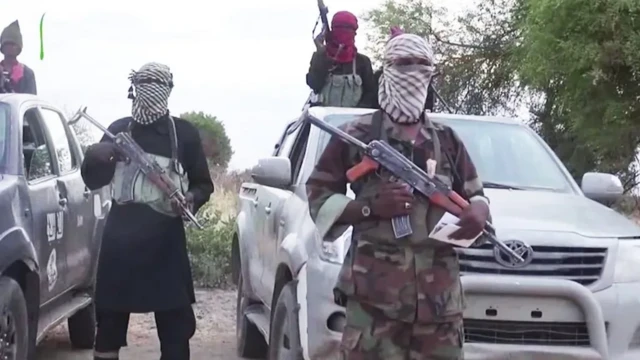
A major escalation in Nigeria’s long-running conflict with jihadist militants has emerged after ISWAP (Islamic State West Africa Province) claimed it captured and executed Brigadier General M. Uba, commander of the 25 Task Force Brigade. The announcement has sent shockwaves through Nigeria’s military and raised difficult questions about accountability, security lapses, and the transparency of operations in Borno State.
What ISWAP Says Happened
According to a statement carried by Amaq, the IS-affiliated news agency, ISWAP ambushed a military convoy in Borno State, captured Brig. Gen. Uba, and later executed him. The ambush reportedly occurred on the Damboa–Biu road near Wajiroko. The group claims it interrogated Uba before killing him, presenting a photo collage showing him in captivity, allegedly injured around the legs. - turn0search9
The Army’s Response - Denial and Confusion
The Nigerian Army initially denied that Uba was abducted. In a statement shortly after the ambush, Acting Director of Public Relations, Lt. Col. Appolonia Anele, said Uba “battled the insurgents’ ambush with superior firepower” and that the attackers were repelled. Two soldiers and two members of the Civilian Joint Task Force (CJTF) were confirmed killed in the attack. The Army also stated that Uba led his men “back to base,” firmly rejecting claims that he had been captured. - turn0search8, turn0search10
ISWAP Doubles Down
ISWAP has responded to the Army’s denial by reasserting its narrative: they stand by their claim that Uba was captured, wounded, interrogated, and executed. The group published its version via Amaq, accusing the Army of lying and declaring the earlier military statements “a miserable security failure.”
In its messaging, ISWAP said its fighters conducted a “sophisticated and coordinated” operation and tracked Uba after he attempted to flee.
One of the Highest-Ranking Nigerian Officers Claimed by ISWAP
If confirmed, the killing of Brig. Gen. Uba would mark one of ISWAP’s most significant tactical successes. As commander of the 25 Task Force Brigade - a key unit often operating around Sambisa Forest and other insurgent strongholds - Uba held a position of considerable strategic importance. Analysts say such a loss could be a serious blow to the morale and operational capacity of Nigerian forces in the Northeast.
This is of serious consequence in many ways;
Operational Security Questions: The fact that ISWAP claims to have tracked Uba after an initial encounter suggests potential intelligence or communication lapses within the military. How was he isolated or identified so quickly?
Propaganda Victory: ISWAP is using this as a powerful propaganda tool - publicizing his capture, injuries, and death to signal strength and sow fear among Nigerian troops and civilians.
Credibility Crisis: The contradictory reports between the Army and ISWAP risk damaging the military’s credibility. If the Army’s denial is disproven, it undermines public trust.
Insurgency Momentum: A successful strike against a high-ranking general could embolden ISWAP and help it recruit, rally support, and project greater influence in the region.
Pressure on Leadership: The event places renewed pressure on Nigerian security leadership and political authorities to respond more decisively, with demands for clarity, accountability, and possibly new strategies.
Context of Escalating Insurgency in Borno
The ambush is just the latest in a series of intensifying attacks by ISWAP in Borno and neighbouring areas. In recent months, jihadist forces have grown bolder, executing coordinated raids, overrunning outposts, and inflicting heavy casualties.
Meanwhile, the Army has claimed some successes, including an operation in which 76 suspected militants were killed in Borno in early 2025. The conflict in the region remains deeply volatile, with airstrikes, ground offensives, and regular ambushes all part of a wider counterinsurgency effort - AP News
The Broader Implications
Moral Blow: The purported execution of a general - if confirmed - would be a symbolic and practical setback for the Army.
Diplomatic Signals: Such a high-profile incident could draw international attention, possibly affecting foreign support and cooperation in the fight against ISWAP.
Internal Reforms?: The episode may push the military to review its command and control structure, intelligence practices, and operational protocols - especially concerning senior officers in high-risk zones.
Psychological Warfare: ISWAP’s narrative could deter recruitment into the military and undermine troop confidence, while amplifying fear among local populations.
What’s Next
Verification Needed: The Nigerian military’s next move will be critical. Confirming or denying ISWAP’s execution claim with clear evidence (e.g., forensic proof) is vital for restoring trust.
Investigation: There may be calls for an internal inquiry into how ISWAP was able to execute such an operation. Issues like possible internal leaks or intelligence gaps could be central.
Strategic Review: The Army may need to reassess its patrol tactics, communications, and protective measures for high-ranking officers in conflict zones.
Public Messaging: Transparent communication with Nigerians - especially about senior military losses, will be key to maintaining morale and legitimacy.