Israel Passes Law Allowing Death Penalty and Public Trials for Suspects Linked to October 7 Hamas Attacks
Israel has passed a controversial new law allowing the death penalty and public trials for individuals linked to the October 7 Hamas-led attacks. The decision has intensified global debate over justice, security, human rights, and the future of the Israeli-Palestinian conflict.
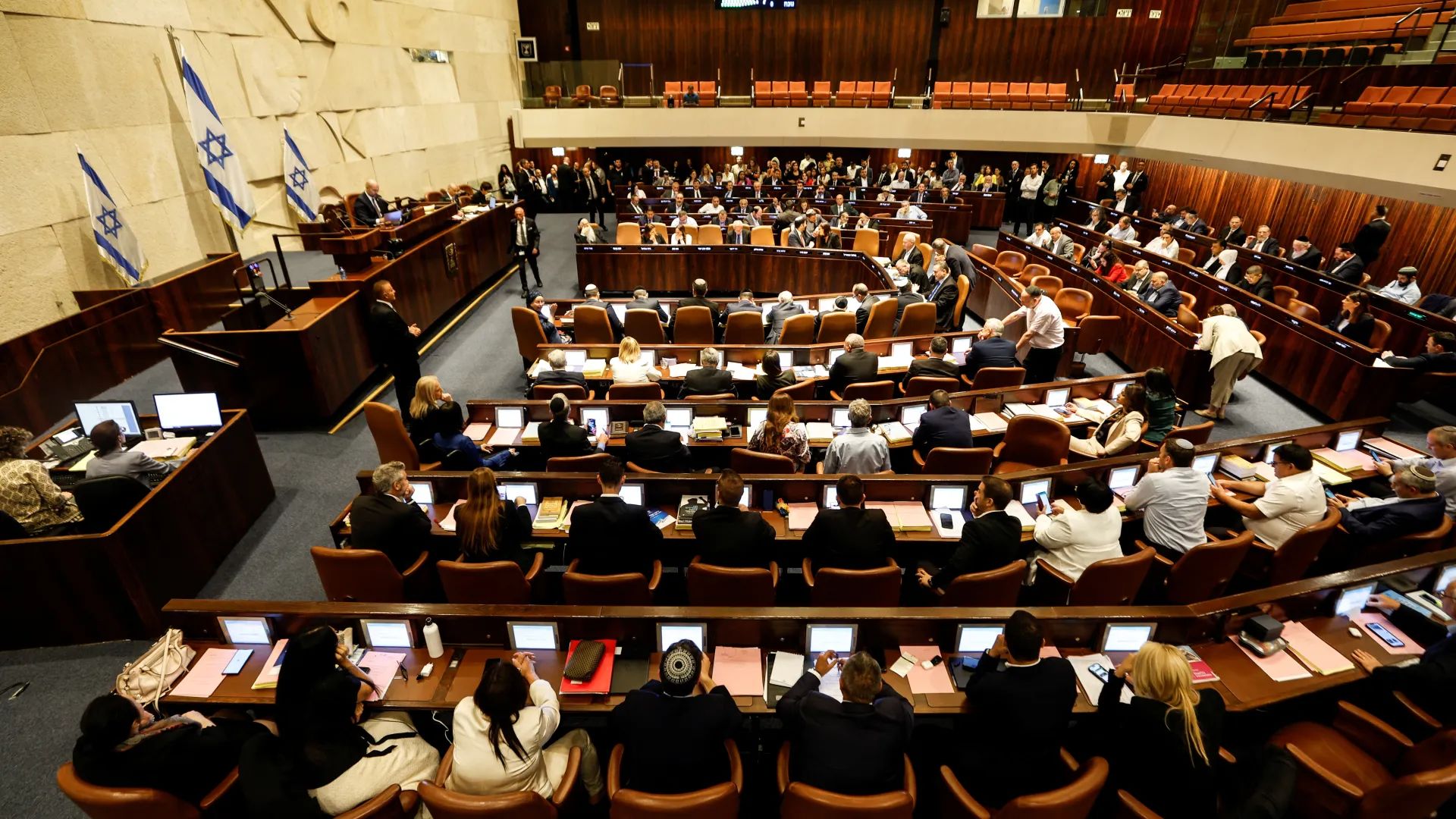
Israel has passed a highly controversial law permitting the death penalty and public trials for individuals accused of involvement in the October 7 attacks carried out by Hamas and allied militant groups.
The legislation marks one of the most dramatic legal and political responses since the deadly assault that shocked Israel and triggered a prolonged regional conflict with far-reaching humanitarian and geopolitical consequences.
Israeli lawmakers supporting the bill described the move as a necessary response to what they called unprecedented acts of terrorism and mass violence committed during the October 7 attacks.
However, the law has already generated fierce international debate, with human rights organizations, legal scholars, and diplomatic observers warning about the implications for international law, due process, and regional stability.
The legislation reportedly allows for special public judicial proceedings involving suspects linked to the attacks while also expanding legal pathways for capital punishment in terrorism-related cases.
Background to the October 7 Attacks
The October 7 attacks represented one of the deadliest and most traumatic moments in modern Israeli history.
Militants linked to Hamas launched coordinated assaults targeting Israeli communities, military installations, and civilians near the Gaza border.
The attacks resulted in large-scale casualties, hostage-taking incidents, and widespread destruction, triggering an immediate military response from Israel.
The aftermath rapidly escalated into a broader conflict that drew intense international attention and humanitarian concern.
Since then, Israeli political leaders have repeatedly vowed to pursue what they describe as full accountability for everyone involved in planning or carrying out the attacks.
The newly passed law appears to reflect growing public and political pressure inside Israel for stronger punitive measures.
Details of the New Law
According to reports from Israeli political sources, the legislation creates legal mechanisms enabling prosecutors to seek capital punishment against individuals convicted of direct involvement in the October 7 attacks or associated acts of terrorism.
The law also reportedly authorizes public courtroom proceedings for selected high-profile cases; a move supporters say is intended to ensure transparency and demonstrate accountability.
Backers of the bill argue that public trials could help document evidence of the attacks while reinforcing deterrence against future acts of terrorism.
Israeli officials supporting the legislation insist the measures target only individuals accused of participating in mass violence and crimes against civilians.
The government maintains that extraordinary crimes require extraordinary legal responses.
Human Rights Concerns Emerge
Human rights organizations and legal experts have reacted with alarm to the legislation.
Critics argue that expanding use of the death penalty risks undermining international human rights standards and may intensify tensions in an already volatile region.
Several advocacy groups also expressed concern about the idea of public trials, warning they could become politically charged spectacles rather than strict judicial proceedings.
International legal analysts note that Israel has historically used the death penalty extremely rarely.
The country’s only civilian execution occurred in 1962 following the conviction of Nazi war criminal Adolf Eichmann.
As a result, the new law represents a major shift in Israeli legal and political thinking regarding terrorism-related punishment.
Opponents argue that emotionally charged post-conflict environments can create risks for impartial legal processes and fair trial protections.
Supporters Say Justice Demands Strong Action
Supporters of the law argue that the scale and brutality of the October 7 attacks justify exceptional legal measures.
Families of victims and several Israeli political figures reportedly welcomed the legislation, describing it as a long-overdue response to mass terrorism.
Some lawmakers insisted that ordinary legal penalties are insufficient for crimes involving large-scale civilian killings and hostage-taking.
Public anger inside Israel remains extremely high following the attacks and the prolonged conflict that followed.
Political analysts say many Israeli citizens view stronger punishment as both a matter of justice and national security.
Supporters also argue that public trials could provide historical documentation similar to internationally significant terrorism or war crimes proceedings from the past.
International Reactions Likely to Intensify
The law is expected to generate strong international reactions in coming weeks.
Several governments and international organizations are likely to scrutinize how the legislation is implemented and whether trials meet international legal standards.
European human rights institutions have historically opposed capital punishment under nearly all circumstances.
Meanwhile, some countries confronting terrorism-related violence may sympathize with Israel’s argument regarding deterrence and national security.
Diplomatic observers believe the issue could become another major point of tension between Israel and international human rights advocates already critical of the broader conflict.
The legislation may also complicate ongoing diplomatic discussions involving ceasefire negotiations, hostage exchanges, and future peace efforts.
Broader Political Implications
The law carries significant domestic political implications for Israel as well.
Prime Minister Benjamin Netanyahu and members of his governing coalition continue facing intense pressure from both security-focused supporters and critics of the government’s broader conflict management.
Analysts say the legislation reflects a broader political shift toward tougher security policies following the October 7 attacks.
The move may strengthen support among nationalist and conservative political factions demanding stronger responses to militant violence.
At the same time, critics fear the law could deepen polarization within Israeli society and further complicate future reconciliation efforts.
Questions About Public Trials
The inclusion of public trials in the legislation has attracted particular attention among legal scholars.
Supporters believe open proceedings may help expose the planning and execution of the attacks to both Israeli citizens and the wider international community.
Critics, however, warn that public trials involving emotionally charged terrorism cases risk becoming politicized media events.
Some experts also question whether highly publicized proceedings could affect witness testimony, judicial neutrality, or international perceptions of fairness.
The challenge for Israeli authorities will likely involve balancing public transparency with due process protections.
Regional Tensions Could Worsen
The law is also likely to affect broader regional dynamics involving Palestinians, neighboring Arab states, and international mediators.
Palestinian groups and supporters are expected to strongly condemn the legislation, particularly the expansion of capital punishment provisions.
Some analysts fear the move could inflame tensions further at a time when violence and humanitarian suffering remain severe across the region.
Others argue that Israel’s leadership believes demonstrating legal and military strength is necessary to restore deterrence following the unprecedented October 7 attacks.
A Defining Moment in Israeli Legal History
Ultimately, the passage of the law represents a defining moment in Israel’s legal and political response to one of the country’s darkest security crises.
Supporters view it as a necessary instrument of justice and national defense.
Critics see it as a dangerous legal shift with significant human rights implications.
As the world watches closely, the implementation of the law, including how trials are conducted and whether death penalty provisions are pursued, may shape international debate over terrorism, justice, security, and the future trajectory of the Israeli-Palestinian conflict for years to come.