Israel and Lebanon Hold First Direct Talks Since 1993 Amid Rising Tensions
Israel and Lebanon have held their first direct talks since 1993, marking a historic diplomatic moment amid ongoing conflict and regional instability.
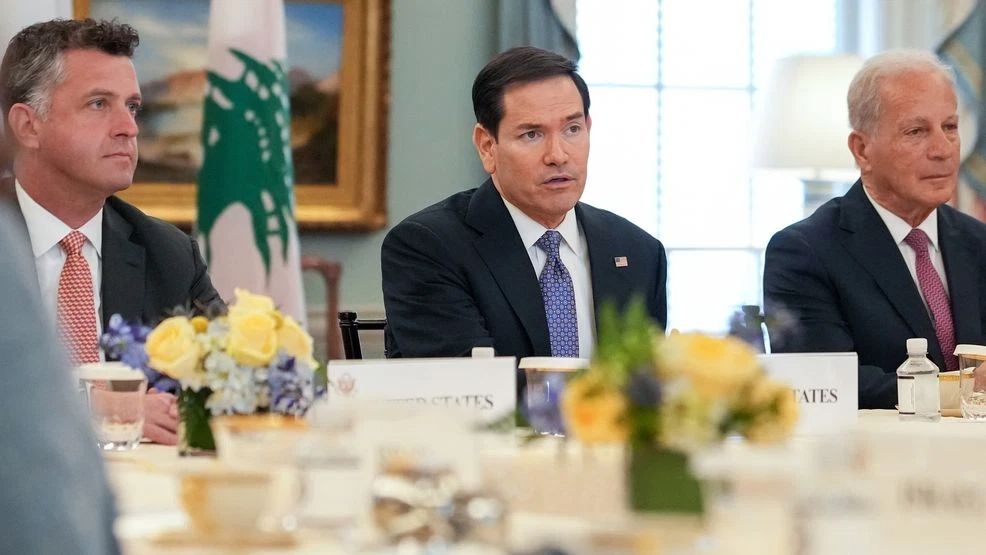
In a significant diplomatic breakthrough, Israel and Lebanon have held their first direct talks in over three decades marking a rare moment of engagement between two nations technically still at war.
The meeting, facilitated by international mediators, represents the first such contact since 1993 and comes at a time of heightened military tensions along the border. While expectations remain cautious, the talks signal a potential shift in one of the Middle East’s most entrenched conflicts.
A Historic First Since 1993
The last time Israel and Lebanon engaged in direct negotiations was in 1993, during a period of intense conflict that ultimately failed to produce a lasting peace.
Now, more than 30 years later, delegations from both countries have met again this time in Washington under the watch of international mediators, including the United States. (reuters.com)
The talks are focused on securing a ceasefire and preventing further escalation following weeks of cross-border hostilities involving Israeli forces and Hezbollah militants.
Though limited in scope, the meeting itself is described by analysts as a major symbolic step.
Why Now? The Pressure of Conflict
The timing of the talks is closely tied to the escalating conflict that has gripped the region in recent months.
Clashes between Israel and Hezbollah have intensified, with both sides exchanging rocket fire and airstrikes along the border. The violence has resulted in significant casualties and displacement on both sides. (reuters.com)
For Lebanon, already grappling with economic collapse and political instability, the conflict has added another layer of crisis.
Israel, meanwhile, has emphasized its need to neutralize security threats from Hezbollah, which it views as a major risk to its northern territories.
These overlapping pressures have created a rare convergence of interests both sides now have incentives to explore de-escalation.
The Role of International Mediators
The United States has played a central role in bringing both parties to the table, building on previous diplomatic efforts that led to a maritime border agreement between the two countries in 2022.
Washington’s involvement reflects broader concerns about regional stability, particularly as tensions involving Iran continue to influence conflicts across the Middle East.
Other international actors, including European allies, have also supported efforts to prevent further escalation.
Diplomats say the goal is not an immediate peace treaty, something widely seen as unrealistic, but rather a framework for reducing violence and managing disputes.
Hezbollah: The Key Complication
Despite the historic nature of the talks, one major challenge looms large: Hezbollah.
The Iran-backed militant group operates as a powerful force within Lebanon and has been central to the ongoing conflict with Israel.
Importantly, Hezbollah is not directly represented in the negotiations, raising questions about the effectiveness of any agreement reached.
Israeli officials have made it clear that any lasting arrangement must address Hezbollah’s military presence near the border.
Lebanese leaders, however, face a delicate balancing act. While they seek peace and stability, they have limited authority over Hezbollah’s actions.
This dynamic creates a fundamental obstacle to progress.
Key Issues on the Table
While details of the discussions remain limited, several key issues are believed to be central to the talks:
- Establishing a ceasefire along the Israel-Lebanon border
- Preventing further rocket attacks and military incursions
- Addressing the presence of armed groups in southern Lebanon
- Creating mechanisms for ongoing communication
These issues are complex and deeply intertwined, making quick resolutions unlikely.
A Region Watching Closely
The talks have drawn attention across the Middle East, where conflicts are often interconnected.
Iran, a key backer of Hezbollah, has called for any ceasefire arrangements to include the group, highlighting the broader geopolitical stakes.
Meanwhile, Arab states and international observers are closely monitoring the situation, aware that escalation between Israel and Hezbollah could trigger a wider regional conflict.
Cautious Optimism Meets Deep Skepticism
Reactions to the talks have been mixed.
Some analysts see them as a positive step toward de-escalation, noting that even limited communication can reduce the risk of miscalculation.
Others are more skeptical, pointing to decades of failed negotiations and the absence of key actors like Hezbollah.
Public sentiment in both countries also reflects this divide. While many citizens hope for peace, there is widespread distrust and uncertainty about whether meaningful progress is possible.
What Happens Next?
The immediate outcome of the talks remains unclear, but diplomats suggest that follow-up meetings are likely.
Even if no major agreements are reached, the establishment of a communication channel could help manage tensions in the short term.
Long-term peace, however, will require addressing deeper issues and territorial disputes, political divisions within Lebanon, and the broader role of regional powers.
Conclusion: A Fragile Opening
The first direct talks between Israel and Lebanon since 1993 represent a rare opening in a conflict defined by hostility and mistrust.
While the road to peace remains long and uncertain, the willingness to engage even at a limited level offers a glimmer of hope.
Whether this moment leads to lasting change or fades into another missed opportunity will depend on what comes next and on whether the region’s many competing interests can find common ground.