Iranian Missile Hits Oil Tanker Off Qatar’s Coast
A missile launched from Iran has struck an oil tanker near Qatar, escalating tensions in the Gulf. This analysis explores what happened, its impact on global oil markets, and geopolitical consequences.
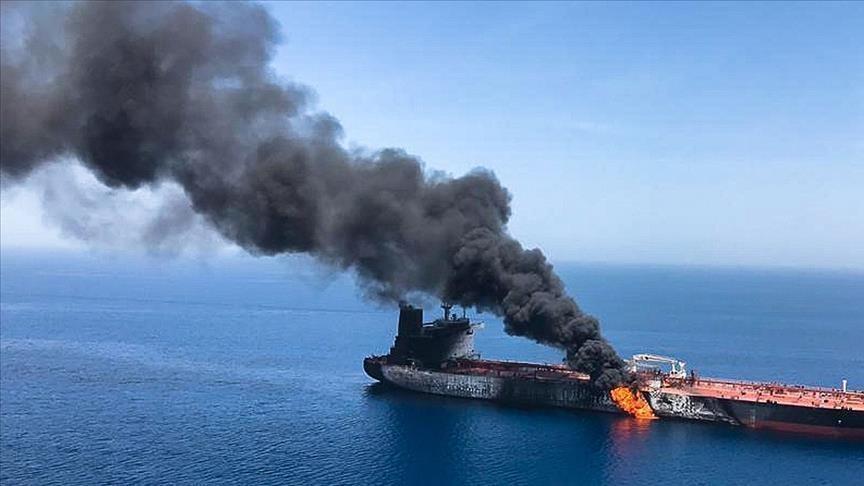
The Iran–Israel war has entered a dangerous new phase after a missile launched from Iran struck an oil tanker in Qatari waters, marking a significant escalation in attacks on global energy infrastructure.
According to multiple reports, three cruise missiles were launched from Iran, with Qatari air defenses intercepting two. The third missile hit a fuel tanker operating under a charter linked to Qatar’s state energy company. (The Express Tribune)
The vessel, carrying about 21 crew members, was successfully evacuated, and no casualties were reported. (News.az) However, the implications of the strike go far beyond immediate damage.
What Happened: Anatomy of the Attack
The attack occurred off the coast of Qatar, near key shipping lanes in the Persian Gulf, one of the most strategically important maritime corridors in the world.
Key details include:
- Missile origin: Iran
- Target: Oil tanker chartered by Qatar Energy
- Interceptions: 2 out of 3 missiles neutralized
- Impact: One missile struck the vessel above the waterline
- Casualties: None reported
Qatar’s Defence Ministry confirmed that the attack occurred within its territorial waters, calling it a serious violation of sovereignty. (Al Jazeera)
The strike is part of a broader pattern of attacks on shipping in the Gulf, with over a dozen vessels reportedly targeted at the war began. (Wall Street Journal)
A Pattern of Maritime Escalation
The tanker strike is not an isolated event,it reflects a widening campaign targeting maritime energy routes.
Recent incidents include:
- Drone strike on a Kuwaiti tanker near Dubai
- Missile and drone attacks on oil infrastructure across the Gulf
- Repeated threats to shipping in the Strait of Hormuz
Reports indicate that more than 20 ships have been attacked during the conflict, highlighting a systematic escalation in maritime warfare. (https://www.mysuncoast.com)
This signals a shift from symbolic retaliation to strategic disruption.
Why Oil Tankers Are Now Targets
Oil tankers represent one of the most critical and vulnerable assets in global trade.
1. Strategic Pressure on the Global Economy: By targeting oil shipments, Iran can influence global oil prices and disrupt supply chains.
2. Leverage Against Adversaries: Energy markets are highly sensitive. Even minor disruptions can create ripple effects across economies.
3. Geographic Advantage: The Persian Gulf and Strait of Hormuz provide Iran with proximity and tactical reach.
Roughly 20% of the world’s oil supply passes through the Strait of Hormuz, making it a key pressure point in global energy security.
The Strait of Hormuz Factor
The attack underscores the fragility of the Strait of Hormuz, a narrow waterway connecting the Persian Gulf to global markets.
Since the war began:
- Shipping traffic has slowed dramatically
- Insurance costs for tankers have surged
- Some vessels have avoided the route entirely
Any sustained disruption in this corridor could trigger:
- Sharp increases in oil prices
- Shortages in major economies
- Inflationary pressure worldwide
Economic Shockwaves: Oil Markets on Edge
Even without casualties, the psychological and economic impact of the attack is significant.
Following similar incidents:
- Oil prices have surged above $110 per barrel
- Shipping costs have spiked
- Energy-importing nations have begun contingency planning
The tanker strike reinforces fears that the conflict is evolving into an energy war where oil infrastructure becomes a primary target.
Military and Geopolitical Implications
The attack also raises serious geopolitical questions.
1. Expansion of the Conflict: By striking a tanker near Qatar, a U.S.-allied Gulf state, Iran risks widening the war beyond its current scope.
2. Pressure on Gulf States: Countries like Qatar, Kuwait, and the UAE are increasingly drawn into the conflict, whether directly or indirectly.
3. U.S. and Allied Response: The United States and its allies may be forced to increase naval patrols, escort commercial vessels, and consider retaliatory measures.
Already, military deployments in the region have increased, reflecting growing concerns over maritime security.
Energy Infrastructure as a Battlefield
The attack highlights a broader transformation in modern warfare: the targeting of economic infrastructure.
Instead of focusing solely on military targets, both sides are increasingly striking oil refineries, gas facilities, and shipping routes.
This strategy aims to: weaken economic resilience, apply pressure on governments, and influence global public opinion.
However, it also increases the risk of unintended consequences, including environmental disasters.
Environmental Risks: A Hidden Threat
While no oil spill was reported in this incident, the risk remains significant.
A successful strike of a fully loaded tanker could result in massive oil spills, marine ecosystem destruction, and long-term environmental damage.
Previous incidents in the region have already raised concerns about the environmental cost of the conflict.
A Turning Point in the War?
The missile strike on a tanker off Qatar’s coast may represent a turning point.
It demonstrates:
- Iran’s willingness to escalate beyond traditional targets
- The vulnerability of global energy infrastructure
- The increasing regionalization of the conflict
If such attacks continue, the war could shift from a regional conflict to a global economic crisis.
Can the Situation Be Contained?
Containment will depend on several factors:
Diplomatic Intervention: Efforts by global powers, particularly China, the U.S., and European nations, could help de-escalate tensions.
Maritime Security Measures: Enhanced naval patrols and convoy systems may reduce risks to shipping.
Strategic Restraint: Both sides must weigh the risks of escalation against potential gains.
However, with ongoing hostilities and retaliatory strikes, containment remains uncertain.
Conclusion: A Dangerous New Phase
The missile strike on an oil tanker off Qatar’s coast is more than a battlefield incident; it is a signal of how the Iran–Israel war is evolving.
By targeting energy infrastructure, the conflict is now directly threatening global economic stability.
While no lives were lost in this attack, the implications are profound: rising oil prices, increased geopolitical tension, and heightened risk of wider war.
If attacks on shipping continue, the world may soon face not just a regional conflict but a full-scale energy crisis with global consequences.