Iranian Footballers Say Australia Gave Them “Hope” for a Safe Future After Asylum
Iranian footballers Fatemeh Pasandideh and Atefeh Ramezanisadeh say Australia has given them hope for a safe future after fleeing fears of persecution. Here’s the full story.
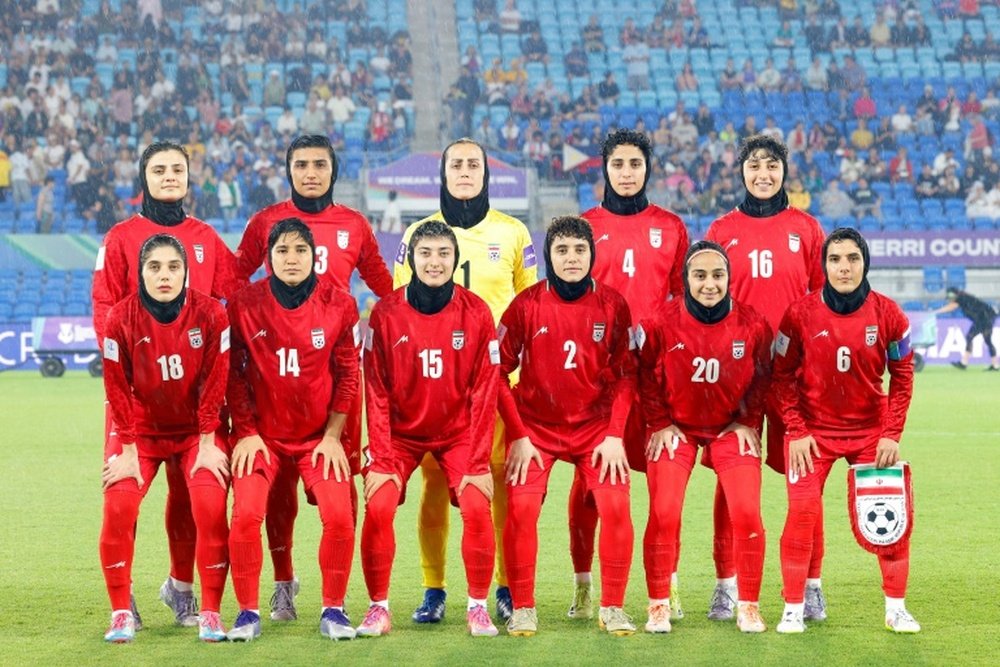
In a powerful story that blends sport, politics, and human rights, two Iranian women footballers have publicly declared that Australia has given them “hope for a future” where they can live and compete in safety. Their journey from representing Iran on the international stage to seeking asylum abroad has captured global attention and highlighted the risks faced by athletes under authoritarian regimes.
From National Pride to Fear of Persecution
The players at the heart of this unfolding story are Fatemeh Pasandideh and Atefeh Ramezanizadeh, both members of Iran’s women’s national football team. They arrived in Australia earlier in 2026 to compete in the AFC Women’s Asian Cup, representing their country at one of Asia’s most prestigious tournaments.
However, events off the pitch quickly overshadowed the competition. During the tournament, several Iranian players refrained from singing the national anthem before a match, an act widely interpreted as a silent protest amid escalating tensions in Iran.
This decision placed them in a precarious position. Iranian state media reportedly labeled some of the players as “traitors,” raising fears of retaliation upon their return home. (Reuters)
Faced with the possibility of persecution, seven members of the team initially sought asylum in Australia. But amid mounting pressure and concerns for their families, five eventually returned to Iran, leaving Pasandideh and Ramezanisadeh as the only two who chose to stay. (ABC News)
Australia as a “Safe Haven”
After weeks of uncertainty, the Australian government granted the two players humanitarian visas, effectively offering them refuge. The decision proved life changing.
In a joint statement, the players expressed deep gratitude to Australian authorities, particularly Home Affairs Minister Tony Burke, for providing them protection and a new beginning. They described Australia as a place where they could finally feel secure.
Most notably, they said the support they received had given them “hope for a future where we can live and compete in safety.”
That statement has resonated far beyond the world of football, symbolizing the broader struggles of athletes who find themselves caught between national duty and personal safety.
A Community Steps In
Beyond government support, the Iranian Australian community has played a crucial role in helping the players adjust to their new lives. The duo described being “overwhelmed” by the warmth and generosity shown to them since arriving in the country. (ABC News)
From accommodation assistance to emotional support, community members have rallied around the athletes, helping ease the transition from uncertainty to stability.
Their story underscores the importance of diaspora communities in providing not just material support, but also a sense of belonging, something especially vital for individuals forced to leave their home countries under duress.
Rebuilding Life Through Football
Despite the emotional and psychological toll of their ordeal, both players remain determined to continue their football careers. For them, sport is more than a profession; it is a lifeline.
They have already begun training with the Australian club Brisbane Roar, a gesture that signals both solidarity and opportunity.
While there is no immediate confirmation of professional contracts, the opportunity to train and stay match-fit offers a pathway toward rebuilding their careers.
Their focus, as they emphasized, is currently on “safety, health, and rebuilding” their lives.
The Wider Context: Athletes Under Pressure
The players’ decision to seek asylum cannot be understood in isolation. It is part of a broader pattern of pressure faced by Iranian athletes, particularly women, who often navigate strict regulations and political scrutiny.
In recent years, Iranian sports figures have increasingly found themselves at the center of political controversies, especially when their actions are perceived as dissent. From anthem protests to public statements, even symbolic gestures can have significant consequences.
The situation escalated further in 2026 amid regional conflict involving Iran, the United States, and Israel, intensifying domestic tensions and scrutiny of public figures. (ABC News)
Reports have also suggested that some athletes who returned to Iran face ongoing surveillance or restrictions, highlighting the risks associated with defiance even in subtle forms.
A Divided Outcome for Teammates
While Pasandideh and Ramezanisadeh now look ahead to a new chapter, the fate of their former teammates remains more uncertain.
Five players who initially sought asylum later returned to Iran, reportedly due to pressure and concerns about their families.
Their decision underscores the complex and deeply personal nature of asylum choices, where safety abroad must be weighed against potential repercussions for loved ones back home.
In some cases, athletes who returned have reportedly faced punitive measures, including asset seizures and public criticism. (The Australian)
Global Reaction and Human Rights Debate
The story has sparked international discussion about the intersection of sports and human rights. Advocacy groups argue that athletes should not have to risk their safety for expressing personal beliefs or remaining silent during politically charged moments.
The Australian government’s decision to grant humanitarian visas has been widely praised by human rights organizations, though it has also raised questions about how such cases should be handled in the future.
Some experts have called for clearer protocols to protect visiting athletes who may be at risk, particularly those from countries with strict political controls. (Daily Telegraph)
Conclusion
For Fatemeh Pasandideh and Atefeh Ramezanizadeh, Australia represents more than just a place of refuge; it represents possibility.
Their journey from fear to hope encapsulates the power of sport, not just as a competitive pursuit, but as a platform for resilience and personal freedom. Yet, their story also serves as a reminder of the risks many athletes face simply for exercising basic autonomy.
As they begin to rebuild their lives, their words continue to echo: a hope for a future where they can live and play in safety.