Iran Warns of Death Penalty for Supporting Enemy, as Crackdown of Citizens Begins
Iran has warned citizens that supporting enemy states could lead to the death penalty. Here is what the policy means, the legal basis behind it, and its implications for Iranian citizens and dissent.
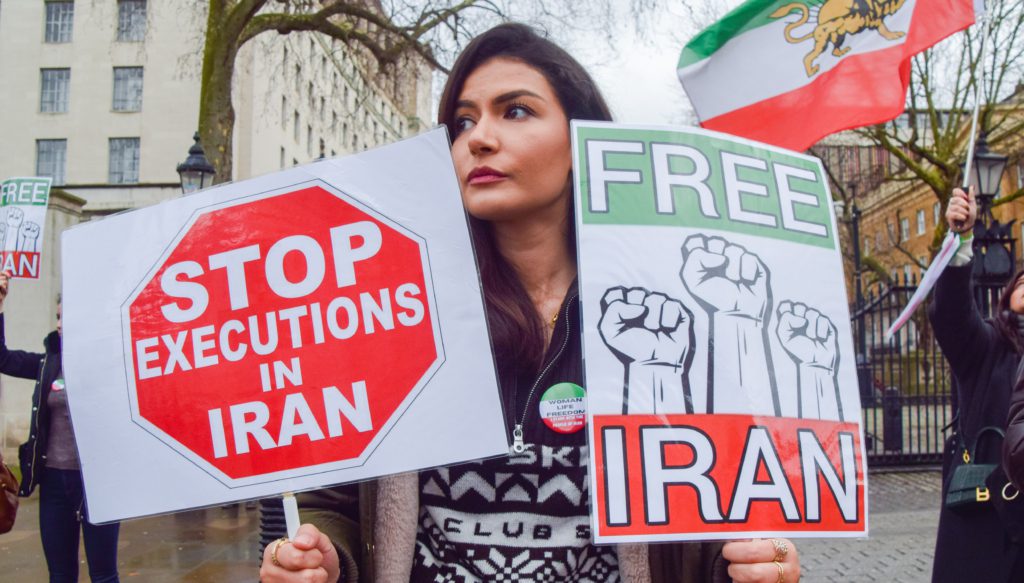
Iranian authorities have issued stark warnings that anyone accused of supporting or cooperating with enemy states could face severe punishment, including the death penalty. The warning comes amid escalating conflict involving Iran, the United States, and Israel, and signals a tightening of internal security measures by the government.
Officials say the policy targets what they call “collaboration with hostile forces.” However, human rights groups and analysts warn that the policy could significantly affect civil liberties inside the country and increase pressure on ordinary citizens.
Here is what the warning means, why it was issued, and its possible implications for people living inside Iran.
Why Iran Issued the Warning
The warning comes at a time of extraordinary tension for the Islamic Republic.
On February 28, 2026, Iran’s long-time Supreme Leader Ayatollah Ali Khamenei was killed in an airstrike in Tehran during a military escalation involving the United States and Israel. (Wikipedia)
The killing triggered a major political and security crisis in the country. Shortly afterward, Iran’s leadership named Mojtaba Khamenei, the late leader’s son, as the new Supreme Leader. (AP News)
As the conflict intensified, Iranian authorities warned citizens against assisting enemy states or spreading information that could benefit foreign adversaries.
According to reports, officials have also threatened to confiscate the property of Iranians living abroad if they are found to support U.S. or Israeli actions against the country. (Reuters)
The Legal Basis: “Enemy of God” Charges
The warning is linked to a serious charge under Iran’s Islamic penal code known as “moharebeh,” often translated as “enmity against God.”
Under Iranian law, individuals accused of taking actions that threaten the state or assist hostile forces can be charged with moharebeh. The offense is one of the most serious crimes in the country and can carry punishments including execution, amputation, or exile. (www.ndtv.com)
Authorities have previously used the charge during political unrest or wartime situations, particularly against individuals accused of sabotage, espionage, or collaboration with foreign governments.
Critics argue that the definition of the crime is broad and may be applied to peaceful activities such as protest or online expression.
Warning Against a “Fifth Column”
Iranian officials have also warned citizens about what they call “fifth column” activities—a term used to describe internal groups allegedly working secretly with foreign enemies.
Security agencies have urged citizens to report suspicious activity, including communications or online content believed to support foreign attacks on Iran. (Al Jazeera)
Authorities say such measures are necessary during wartime to protect national security and prevent espionage.
However, observers say the warnings could create an atmosphere of fear, encouraging surveillance and accusations among ordinary citizens.
Impact on Iranians Abroad
The policy does not only target people inside the country.
Iranian prosecutors have also warned that citizens living overseas who publicly support U.S. or Israeli actions could face legal consequences if they return to Iran. Authorities say assets belonging to such individuals may also be seized.
Estimates suggest between five and ten million Iranians live abroad, making the diaspora one of the largest in the Middle East.
The threat of property confiscation and criminal prosecution could complicate relations between Iran and its expatriate communities.
Human Rights Concerns
Human rights organizations have raised serious concerns about the warning and the broader crackdown on dissent.
Groups such as Amnesty International have reported that Iran has increased arrests, expedited trials, and executions during periods of political unrest or war.
The United Nations Human Rights Council has also condemned the killing of protesters and called for investigations into alleged abuses during recent unrest.
Critics argue that the use of capital punishment in cases involving political or protest activity violates international human rights norms.
Risks for Protesters and Public Figures
The warning could also affect protesters, activists, and public figures.
In previous demonstrations, Iranian authorities warned that individuals participating in protests or assisting protesters could face charges of being “enemies of God,” potentially leading to the death penalty. (News Live)
Recent reports suggest even symbolic acts of protest may be treated as acts of betrayal during wartime. For example, concerns have emerged that Iranian athletes who staged political protests abroad could face severe punishment upon returning home. (The Scottish Sun)
Such developments highlight how the policy may extend beyond traditional security cases.
What It Means for Ordinary Citizens
For ordinary Iranians, the warning could have several practical consequences.
1. Increased Surveillance
Authorities may expand monitoring of social media, messaging platforms, and online activity to identify individuals suspected of supporting enemy states.
2. Restrictions on Speech
Citizens may become more cautious about expressing political opinions, particularly regarding conflict or foreign governments.
3. Fear of False Accusations
In highly polarized environments, accusations of collaboration with enemies can sometimes be used to settle personal or political disputes.
4. Legal Uncertainty
Because the definition of “supporting the enemy” can be broad, individuals may find it difficult to know which actions could lead to prosecution.
A Sign of a Broader Security Crackdown
Analysts say the warning reflects a broader strategy by Iranian authorities to maintain control during a period of geopolitical instability.
The country is currently facing, Military confrontation with Israel and the United States, Economic pressure and sanctions and Domestic political unrest.
In such circumstances, governments often expand security laws to suppress dissent and prevent internal opposition.
However, experts warn that excessive repression can sometimes increase public resentment and deepen political divisions.
Conclusion
Iran’s warning that supporting enemy states could lead to the death penalty marks one of the strongest signals yet of the government’s determination to control internal dissent during the current crisis.
While officials argue that the measures are necessary to protect national security, critics fear they could further restrict civil liberties and expose ordinary citizens to severe punishment.
As tensions in the region continue, the policy is likely to remain a central issue in debates about human rights, governance, and political freedom in Iran.