Iran War Update: Tehran Prepares for “Long War” as Israel Expands Strikes
Iran says it is ready for a long war as Israel expands airstrikes across Iranian territory. This analysis examines the global implications, risks to world peace, and the credibility of Donald Trump’s claim that Iran “wants a deal badly.”
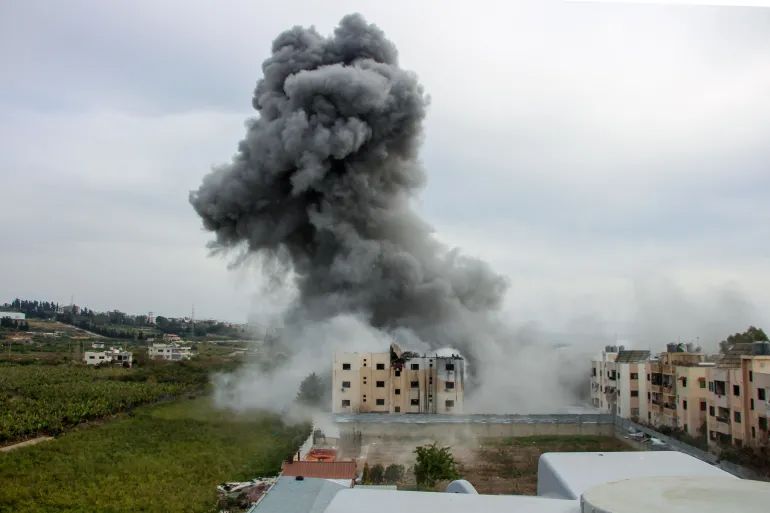
The war involving Iran, Israel, and the United States has entered a dangerous new phase as Tehran declared it is prepared for a prolonged conflict, even while Israeli forces expand airstrikes and Washington signals continued military pressure.
The latest developments raise serious questions about the trajectory of the war and whether diplomacy remains possible despite U.S. President Donald Trump’s claim that Iran “wants to make a deal badly.”
With missile attacks, drone strikes, and economic disruptions spreading across the Middle East, analysts warn that the crisis now represents one of the most serious threats to global peace in decades.
Iran Signals Readiness for a Long War
Iranian officials have made it clear that the country is preparing for a protracted military confrontation. Iran’s foreign minister Abbas Araghchi recently stated that Tehran “never sought a ceasefire” and is ready for a long war, rejecting suggestions that Iran is urgently seeking negotiations. (Al Jazeera)
This statement directly contradicts claims from Washington that Iran is eager to reach a quick diplomatic settlement.
Iranian leaders argue that the conflict was forced upon them following U.S.–Israeli strikes on Iranian territory, which began in late February 2026 and targeted military infrastructure and strategic sites across the country. (American Jewish Committee)
The war has already expanded beyond Iran’s borders, with attacks and retaliatory strikes occurring in Lebanon, Iraq, and several Gulf states, creating fears of a wider regional war. (The Guardian)
Israel Expands Its Military Campaign
Meanwhile, Israel has intensified its military operations. Israeli officials say they still have “thousands of targets” inside Iran, suggesting the campaign could continue for several more weeks. (The War Zone)
Israeli strikes have targeted: Iranian military installations, Revolutionary Guard infrastructure, and strategic energy and logistics facilities.
One of the most significant recent operations was the U.S. bombing raid on Kharg Island, Iran’s main oil export hub, where more than 90 military sites were destroyed. (Wikipedia)
Although the strikes avoided direct damage to oil export infrastructure, they significantly weakened Iranian military logistics.
Iran has responded with missile and drone attacks against U.S. bases and Israeli targets, escalating the cycle of retaliation across the region. (Open Magazine)
The Strait of Hormuz Crisis
One of the most dangerous aspects of the conflict is the growing crisis around the Strait of Hormuz, the narrow waterway through which roughly 20 percent of the world’s oil supply passes.
Iran has threatened to close or disrupt shipping in the strait, using mines, small naval vessels, and missile threats against commercial ships. Such actions have already been triggered: surging oil prices, shipping disruptions, and volatility in global financial markets. In fact, oil prices jumped sharply as soon as the war began, rising from around $70 to over $110 per barrel in a matter of days. (Wikipedia)
The global economic consequences could be severe if the conflict continues.
Trump’s Claim: “Iran Wants a Deal Badly”
Despite the escalating conflict, Donald Trump insists that Iran ultimately wants negotiations. According to the U.S. president, Tehran is seeking a deal but has not yet offered acceptable terms.
Trump stated that “Iran wants to make a deal, but the terms aren’t good enough yet,” suggesting Washington will continue military pressure until stronger concessions are made. (The War Zone)
The U.S. administration has also pushed allies to help reopen the Strait of Hormuz and restore global energy stability.
However, Iranian officials strongly deny that they are seeking negotiations under current conditions. Tehran insists that any diplomatic process must begin with an end to U.S. and Israeli attacks, which remain ongoing. (ایران اینترنشنال | Iran International)
Humanitarian and Regional Consequences
The humanitarian toll of the war is rising rapidly. According to international reports, more than 1,300 people have been killed in Iran, millions have been displaced, and regional infrastructure has suffered heavy damage. (The Guardian)
The conflict is also destabilizing neighboring countries. Missile and drone attacks have affected Saudi Arabia, Bahrain, and Iraq, while Israeli airstrikes have expanded into Lebanon as part of efforts to weaken Iran-backed groups. (CBS News)
Such developments increase the risk that the war could evolve into a broader Middle East conflict involving multiple regional powers.
What This Means for Global Peace
The implications of the Iran war extend far beyond the Middle East.
1. Risk of Regional Escalation
The involvement of multiple actors-Israel, the United States, Iran, and regional militias create the potential for a multi-front war.
If Hezbollah, Iraqi militias, or Gulf states become more directly involved, the conflict could escalate rapidly.
2. Economic Shock
Because the Strait of Hormuz is critical to global energy supply, any prolonged disruption could trigger global inflation, economic slowdown, and energy shortages in Europe and Asia.
3. Great Power Tensions
Major global powers-including China and Russia-are watching the crisis closely.
Any perceived shift in regional power balance could influence broader geopolitical rivalries.
Is a Diplomatic Resolution Possible?
Despite the escalating violence, diplomatic solutions remain possible.
Historically, even intense Middle East conflicts have eventually produced negotiations.
However, several obstacles currently stand in the way:
- Mutual distrust between Washington and Tehran
- Israel’s determination to weaken Iran’s military capabilities
- Iran’s insistence on resisting external pressure
As long as these positions remain unchanged, negotiations may remain distant.
Conclusion
The Iran war has entered a volatile phase, with Tehran declaring readiness for a long war while Israel continues expanding military operations.
The crisis threatens not only the stability of the Middle East but also global energy markets and international security.
While Donald Trump insists that Iran “wants a deal badly,” Iranian leaders deny seeking negotiations under current conditions.
The coming weeks will determine whether the conflict moves toward diplomacy or deeper escalation - a choice that could shape global geopolitics for years to come.