Iran War Sparks New Global Energy Crisis as Oil, Gas, and Food Prices Surge
The war involving Iran, the United States, and Israel is triggering a global energy crisis as oil flows through the Strait of Hormuz face disruption, pushing fuel prices higher and threatening global economic stability.
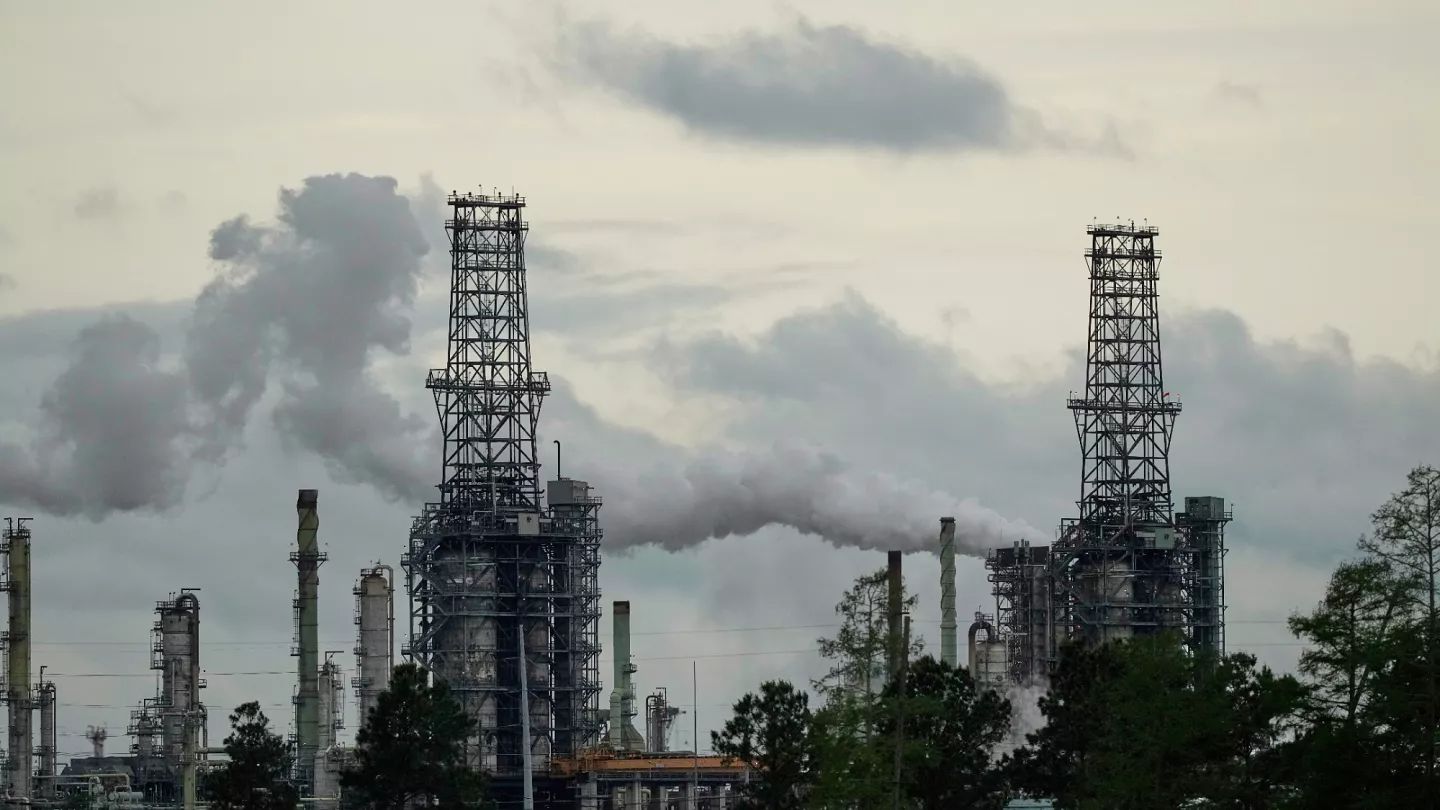
The escalating war involving Iran, the United States, and Israel is rapidly transforming from a regional military confrontation into a global economic crisis. Energy markets across the world are reacting sharply to disruptions in Middle Eastern oil and gas flows, raising fears that the conflict could trigger the most serious energy shock since the 2022 Ukraine war.
The crisis centers on the Strait of Hormuz, a narrow waterway between Iran and Oman that serves as one of the world’s most critical energy chokepoints. Roughly one-fifth of global oil and liquefied natural gas (LNG) passes through the strait each day, making any disruption there a major threat to global energy security.
As hostilities intensified following coordinated US-Israeli strikes on Iranian targets and Tehran’s retaliation against regional infrastructure, tanker traffic and energy shipments through the strait have slowed dramatically, sending shockwaves through global markets.
Oil Prices Surge as Energy Supply Tightens
The most immediate impact of the Iran war has been a sharp rise in oil prices. Global benchmark Brent crude climbed above $80 per barrel, with analysts warning prices could climb much higher if the conflict continues. (IER)
Investment bank Goldman Sachs has already raised its forecast for oil prices in 2026, citing the risk that energy flows through the Strait of Hormuz may be severely disrupted. Analysts estimate that a prolonged slowdown in shipping could push crude prices toward $100 per barrel or even higher. (Reuters)
Energy traders are now building a geopolitical “risk premium” into prices, meaning markets are factoring in the possibility of further escalation or physical damage to oil infrastructure across the Middle East.
Strait of Hormuz: The World’s Most Critical Energy Chokepoint
The central role of the Strait of Hormuz explains why the conflict is sending shockwaves through global markets.
Nearly 20 million barrels of oil per day transit through the corridor, including exports from major producers such as Saudi Arabia, Iraq, the United Arab Emirates, and Iran itself. (Goldman Sachs)
Any sustained disruption could remove a significant share of global oil supply from international markets. Even a partial slowdown in tanker traffic could reduce oil flows by several million barrels per day, tightening supply and pushing prices upward.
Shipping insurers have already raised war-risk premiums, while some tanker operators have temporarily halted routes through the Gulf, adding further strain to the energy supply chain.
Asia Faces the Greatest Energy Risk
While the crisis affects global markets, Asia is particularly vulnerable. Countries such as China, India, Japan, and South Korea rely heavily on Middle Eastern energy supplies shipped through the Strait of Hormuz.
According to analysts, a large share of crude passing through the strait is destined for Asian economies. Any disruption could threaten industrial production and economic growth across the region. (AP News)
China is relatively insulated due to its large strategic petroleum reserves and diversified supply sources, including Russia. India, however, is considered more exposed because of its lower energy reserves and heavy dependence on imported crude.
Natural Gas Markets Under Pressure
The war is also threatening global natural gas markets. Approximately 19 percent of global LNG supply normally moves through the Strait of Hormuz, much of it exported by Qatar.
If the conflict disrupts these shipments, European gas prices could surge dramatically. Analysts estimate that Dutch natural gas prices could rise above 100 euros per megawatt hour if LNG flows are halted for an extended period.
Such a spike would echo the energy crisis that gripped Europe after Russia’s invasion of Ukraine in 2022, when gas prices soared, and governments were forced to spend billions to shield households from rising electricity costs.
Fertilizer Supply Disruptions Threaten Global Food Prices
The ripple effects of the conflict are not limited to fuel. The Middle East is also a major supplier of fertilizer components such as urea and Sulphur, which are vital for global agriculture.
Shipping disruptions and production stoppages linked to the Iran conflict have already sent fertilizer prices sharply higher. (Financial Times)
Experts warn that this could eventually translate into higher food prices around the world. Fertilizers are essential for growing staple crops such as wheat, corn, and rice, meaning disruptions to supply could affect global food security.
Some analysts fear the combined energy and food shock could rival - or even exceed - the global economic turbulence triggered by the Ukraine war.
Inflation and Economic Growth at Risk
Rising energy costs have historically been a major driver of global inflation, and the Iran war could intensify cost-of-living pressures worldwide.
Higher oil prices translate directly into higher transportation and manufacturing costs, which then filter through to consumer prices. Fuel price increases also affect electricity generation, particularly in countries dependent on natural gas.
For developing economies already struggling with inflation and currency instability, the crisis could become particularly damaging.
Strategic and Geopolitical Consequences
Beyond economic effects, the energy crisis could reshape global geopolitics.
Oil-producing countries outside the Middle East - such as the United States, Brazil, and Norway - may benefit from higher prices and increased demand for their exports. Meanwhile, countries heavily dependent on imported energy could face greater economic vulnerability.
The crisis is also intensifying debates about energy security and accelerating calls for a faster transition toward renewable energy sources.
Governments across Asia and Europe are already discussing measures to reduce dependence on Middle Eastern energy supplies, including expanding strategic reserves and investing in alternative energy infrastructure.
Conclusion
The war involving Iran, the United States, and Israel is quickly evolving into a global energy crisis with far-reaching consequences. From soaring oil prices and natural gas shortages to rising fertilizer costs and inflationary pressure, the conflict threatens to disrupt multiple pillars of the global economy.
Much will depend on whether shipping routes through the Strait of Hormuz remain open and whether diplomatic efforts can prevent further escalation. If the conflict continues or spreads across the region, the world could face a prolonged period of energy instability and economic uncertainty.