Iran Threatens to Block More Global Trade Routes as US Launches Fresh Airstrikes
Iran has threatened to disrupt additional international trade routes following fresh U.S. military strikes, escalating tensions in the Middle East and raising concerns over global energy supplies and maritime security.
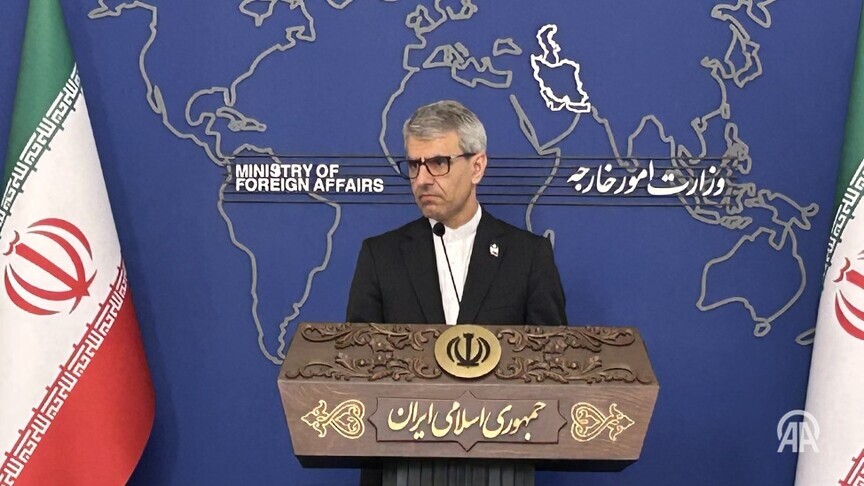
Tensions between Iran and the United States have escalated sharply after Tehran threatened to disrupt additional international maritime trade routes in response to a fresh wave of U.S. military strikes targeting Iranian positions.
The latest developments have heightened fears of a wider regional conflict, with analysts warning that any disruption to critical shipping lanes could have far-reaching consequences for global energy markets, international commerce and regional security.
Iranian military officials warned that if the United States continues its military operations, Tehran could expand its response beyond the Strait of Hormuz to include other strategic waterways used by commercial vessels operating in the Middle East.
The warning came shortly after the U.S. launched new strikes against what it described as Iranian military infrastructure and strategic assets linked to the country's regional operations.
Fresh U.S. Military Action
According to U.S. defense officials, the latest airstrikes targeted facilities believed to support Iran's missile capabilities, drone operations and military logistics.
Washington said the attacks were intended to weaken Iran's operational capacity and protect American personnel and allied interests in the region following a series of attacks attributed to Iranian-backed groups.
The Pentagon maintained that the strikes were "defensive and proportionate," stressing that the United States remains committed to protecting freedom of navigation and ensuring the security of international shipping routes.
President Donald Trump has also reiterated that the United States would continue applying military and economic pressure on Tehran unless it returns to negotiations over its nuclear programme and regional activities.
Iran Warns of Broader Maritime Disruption
Iran responded by warning that continued military pressure could force it to take stronger measures against international maritime traffic.
Senior Iranian officials stated that while the Strait of Hormuz remains strategically important, Tehran possesses the capability to affect security across multiple regional waterways if hostilities continue.
Although Iranian authorities did not specify which additional trade routes could be targeted, security experts believe the warning may refer to the Gulf of Oman, the Bab el-Mandeb Strait and shipping lanes connecting the Persian Gulf with the Arabian Sea.
Such threats have immediately attracted global attention because these routes serve as critical arteries for oil exports, liquefied natural gas shipments and container trade linking Asia, Europe and Africa.
Global Trade at Risk
The Strait of Hormuz remains one of the world's busiest maritime chokepoints, with roughly one-fifth of globally traded crude oil passing through the narrow waterway each day.
Any disruption to shipping in the Gulf region could affect energy supplies and trigger significant increases in international oil prices.
Maritime analysts warn that expanding threats to additional shipping corridors would further increase transportation costs, insurance premiums and delivery times for international cargo.
Shipping companies operating in the region have already heightened security measures, while several governments have advised commercial vessels to remain alert as naval patrols increase.
International Community Calls for Restraint
Governments across Europe, Asia and the Middle East have urged both Washington and Tehran to exercise restraint to prevent the crisis from escalating into a broader regional conflict.
The United Nations has reiterated calls for dialogue, emphasizing the importance of protecting civilian lives and maintaining the free flow of international commerce.
Diplomatic efforts involving regional mediators continue behind the scenes, although prospects for immediate negotiations remain uncertain.
Several countries dependent on Gulf energy exports have expressed concern that prolonged instability could negatively affect global economic growth and inflation.
Energy Markets React
Oil prices responded to the latest developments as traders assessed the potential impact of heightened geopolitical risks.
Energy analysts noted that markets remain highly sensitive to any threats involving the Strait of Hormuz because of its central role in global petroleum exports.
Even if no immediate disruption occurs, continued military exchanges may contribute to increased price volatility as investors factor geopolitical uncertainty into energy markets.
Natural gas exporters and importers are also closely monitoring developments, given the region's importance in global liquefied natural gas (LNG) shipments.
Military Presence Expands
The United States has reinforced its military presence across the Gulf, deploying additional naval assets and surveillance capabilities to monitor shipping lanes and deter potential attacks.
Several allied countries have also increased maritime patrols to reassure commercial operators and maintain freedom of navigation.
Iran, meanwhile, has conducted military exercises involving its naval forces and missile units, describing the drills as defensive preparations designed to protect its territorial waters.
Military analysts warn that the increased concentration of armed forces in the region raises the risk of accidental confrontations or miscalculations.
Diplomatic Prospects Remain Uncertain
Despite increasingly confrontational rhetoric from both governments, diplomats continue searching for opportunities to revive negotiations.
The United States has repeatedly stated that it remains open to dialogue if Iran demonstrates willingness to negotiate over its nuclear programme and regional security concerns.
Iran, however, insists that meaningful talks cannot occur while military operations and economic sanctions continue.
Observers believe that backchannel diplomacy involving neutral regional governments could eventually provide an avenue for reducing tensions.
Nevertheless, current military developments have complicated those efforts significantly.
Economic Consequences
Beyond energy markets, economists warn that prolonged instability could disrupt global supply chains.
The Gulf region handles substantial volumes of container shipping connecting manufacturing centers in Asia with markets in Europe and North America.
Higher shipping insurance costs, rerouted cargo and increased fuel expenses could place additional pressure on international trade at a time when many economies are already facing inflationary challenges.
Financial markets are also expected to remain sensitive to further geopolitical developments.
Looking Ahead
The latest exchange of military action and threats has intensified one of the world's most volatile geopolitical confrontations.
While the United States insists its military operations are necessary to protect regional security and international shipping, Iran maintains that continued pressure will be met with stronger responses.
For the international community, the stakes extend far beyond the immediate conflict.
Any sustained disruption to major maritime trade routes could have significant implications for global energy supplies, commercial shipping and economic stability.
As diplomatic efforts continue alongside military preparations, governments, businesses and financial markets remain focused on whether dialogue can prevail before the confrontation escalates into a broader regional crisis.
With both sides maintaining firm public positions, the coming days are expected to be critical in determining whether tensions ease through diplomacy or continue to threaten one of the world's most strategically important regions. (REUTERS)