Iran Tells US Deal “Not Imminent” Despite Progress in Talks as Diplomatic Tensions Continue
Iran has stated that a deal with the United States is not imminent despite reported progress in negotiations, as both sides clash over nuclear issues, sanctions relief, and regional security arrangements.
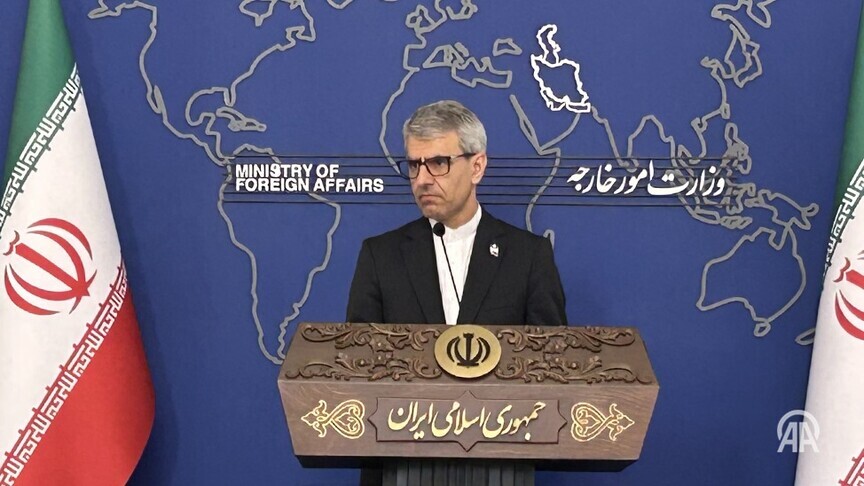
Iran has pushed back against growing international speculation that a breakthrough deal with the United States is imminent, insisting that while progress has been made in negotiations, no final agreement is close to being signed.
The statement, issued by Iran’s Foreign Ministry on May 25, 2026, comes amid intensified diplomatic activity between Tehran and Washington aimed at de-escalating months of regional tension and potentially reaching a broader political and security framework.
According to Iranian officials, discussions have advanced on several fronts, but significant disagreements remain unresolved, particularly over the scope of negotiations, sanctions relief, and the future of Iran’s nuclear program.
Iran Rejects Claims of Imminent Agreement
Iranian Foreign Ministry spokesperson Esmaeil Baghaei said that although “a large part of issues under discussion” has reached some level of consensus, it is “impossible to confirm that the signing of an agreement is imminent.” (Anadolu Ajansı)
Baghaei emphasized that media reports suggesting a near-final deal are exaggerated, stressing that “American policy keeps changing,” which continues to complicate the negotiations. (JFeed)
His comments directly contradict recent U.S. media and official signals suggesting that a framework agreement could be finalized within days, with some reports indicating that both sides had already agreed in principle on key elements of a deal. (Axios)
However, Iranian officials insist that no final draft exists and that critical issues remain open.
What Is Being Negotiated Between Iran and the US?
The ongoing discussions between Washington and Tehran are reportedly centered on a broader memorandum of understanding that could include:
- De-escalation of military tensions in the region
- Steps toward reopening key shipping routes, including the Strait of Hormuz
- Limited sanctions relief for Iran
- Security guarantees involving regional actors
While early reports suggested that nuclear issues were central to the talks, Iranian officials now insist that the current phase of negotiations is focused on ending hostilities and stabilizing regional security rather than nuclear compliance.
Tehran has repeatedly denied that it has agreed to any final concessions on its nuclear program, including the surrender or transfer of enriched uranium stockpiles.
Contradictions Between US and Iranian Narratives
One of the major obstacles to diplomatic clarity has been the stark difference between U.S. and Iranian public messaging.
U.S. officials and media reports have portrayed the negotiations as being “largely negotiated,” with only final approvals pending from both President Donald Trump and Iran’s Supreme Leader. (MarketWatch)
Some U.S. sources have even suggested that Iran may have agreed “in principle” to key concessions under a staged framework deal. (New York Post)
Iran, however, strongly rejects this interpretation, accusing Washington of overstating progress for political leverage and domestic audience management.
According to Tehran, any attempt to present the talks as near completion is misleading and risks undermining the fragile negotiation process.
Nuclear Issue Still a Major Sticking Point
Although both sides appear to agree on the need to reduce tensions, the nuclear issue remains the most sensitive and unresolved element.
Iran has insisted that its nuclear program is non-negotiable in its core structure, while the United States continues to maintain that Iran must not develop nuclear weapons capability.
Iranian officials argue that nuclear discussions are either being misrepresented or have been postponed to a later phase of negotiations.
This divergence in framing has created confusion among international observers, with analysts noting that both sides appear to be negotiating different versions of the same agreement.
Strait of Hormuz and Regional Security at the Center
Beyond nuclear concerns, another major issue in the talks is the security of maritime trade routes, particularly the Strait of Hormuz - a vital global oil shipping corridor.
Recent tensions in the Gulf have disrupted shipping flows and contributed to global energy price volatility.
Iran has signaled willingness to cooperate on maritime safety arrangements with neighboring states but insists that any agreement must respect its sovereignty and regional interests.
The United States, on the other hand, has linked maritime security to broader sanctions relief and geopolitical stabilization measures.
Market Reactions Reflect Uncertainty
Global markets have reacted sharply to shifting headlines around the negotiations.
Oil prices have fluctuated as traders respond to conflicting reports about the likelihood of a breakthrough deal.
Optimistic signals from Washington have triggered price declines, while Iranian denials of progress have often reversed market sentiment.
Analysts say this volatility reflects the uncertainty surrounding not just the negotiations themselves, but also the credibility gap between both sides’ public statements.
Diplomatic Progress, but No Final Deal
Despite the disagreements, both Iran and the United States acknowledge that progress has been made in narrowing gaps on several issues.
Iran’s Foreign Ministry confirmed that consensus has been reached on “a large part” of the discussions, suggesting that technical and procedural groundwork is advancing.
However, officials stress that this should not be mistaken for a near-complete agreement.
Diplomatic sources suggest that even if a draft framework is eventually reached, it could take weeks or months of additional negotiations before a final deal is signed.
Regional and Global Implications
The outcome of the Iran-US negotiations carries significant implications for global security and economic stability.
A successful agreement could ease tensions in the Middle East, stabilize oil markets, and reduce the risk of military escalation in the Gulf.
On the other hand, failure to reach a deal or a collapse in talks could reignite tensions and further destabilize an already volatile region.
Regional actors, including Gulf states and European powers, continue to closely monitor developments and have called for sustained diplomatic engagement.
Conclusion
Iran’s insistence that no deal with the United States is imminent underscores the fragility of ongoing negotiations, despite public optimism from Washington.
While both sides appear to have made progress in narrowing differences, deep disagreements remain over nuclear policy, sanctions relief, and regional security arrangements.
For now, diplomacy continues but a final agreement remains uncertain, with both sides still navigating a complex and politically sensitive path toward potential compromise.