“Iran’s Retaliation Warnings and Protest Crackdown, Signals Danger for U.S.-Iran Relations and Global Stability”
As Iran threatens retaliation against U.S. military action amid deadly domestic protests, tensions intensify with implications for bilateral relations, regional security, and global diplomacy.
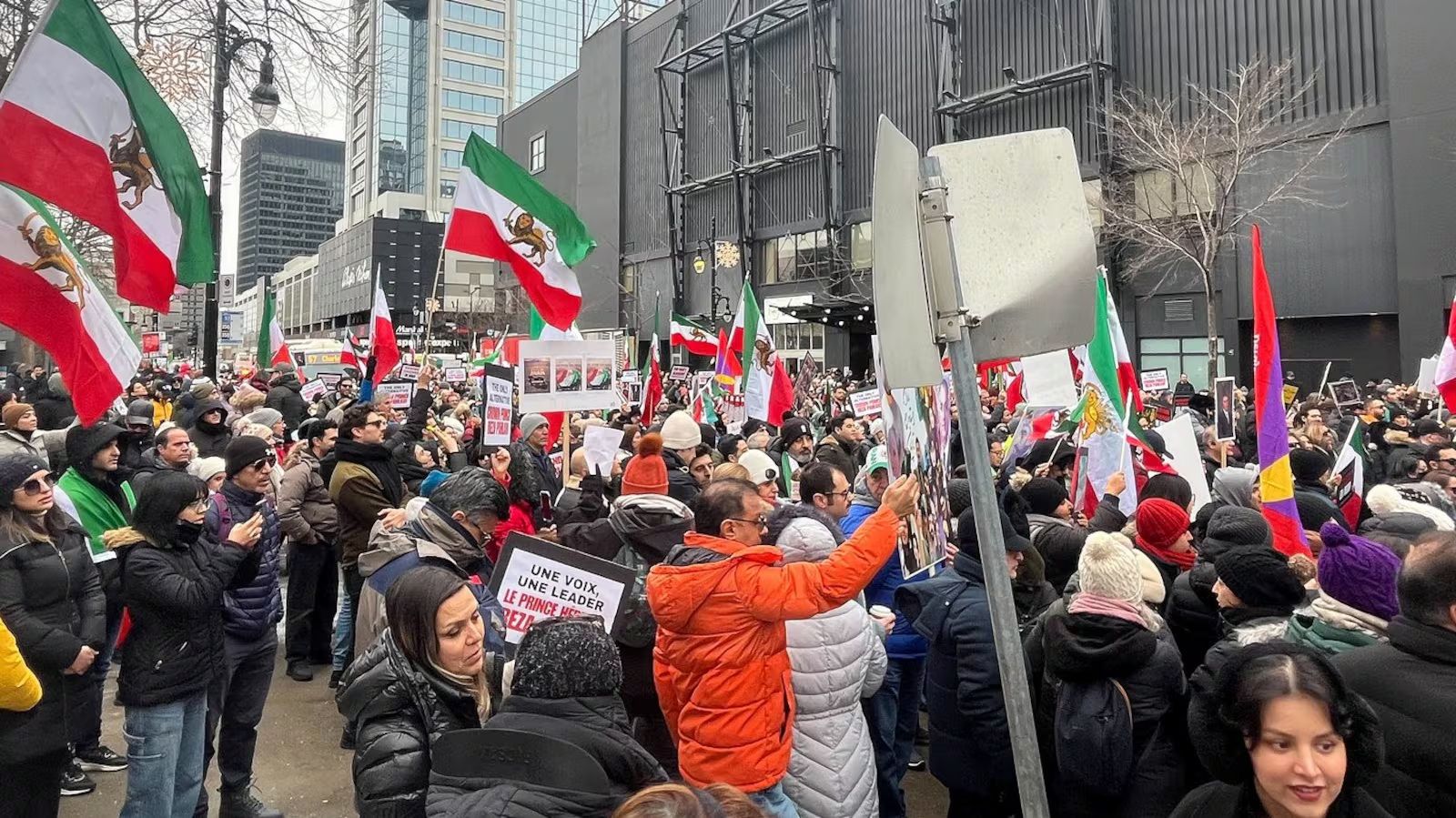
Iran’s declaration that it will retaliate against U.S. military intervention while facing its most significant nationwide protests in years has dramatically escalated tensions between Tehran and Washington. This dynamic could reshape U.S.–Iran relations, influence global geopolitical alignments, and heighten risks for citizens both within Iran and abroad. (The Business Standard)
The Crisis at Home and Rising International Stakes
Since late December 2025, Iranians have taken to the streets in protest against economic hardship and political repression, initially triggered by a collapse in the value of the national currency and rampant inflation, but quickly evolving into widespread calls for political reform and regime change. The unrest has spread across Iran’s 31 provinces and has turned deadly, with rights groups reporting that at least 116 protesters and security personnel have died and more than 2,600 have been arrested amid a severe government crackdown including an internet blackout. (Sky News)
Iran’s parliamentary speaker, Mohammad Baqer Qalibaf, has issued stark warnings that any U.S. military strike on Iranian territory would prompt retaliation against U.S. bases, ships and even Israeli infrastructure in the region, marking U.S. and Israeli military facilities as “legitimate targets” in the event of a U.S. offensive.
This rhetoric comes as U.S. President Donald Trump publicly stated that the United States “stands ready to help” Iranian protesters, a phrase widely interpreted as signaling political backing and possible military options, including briefings for potential strikes, although no definitive military action has yet been taken.
Historical Context of U.S.–Iran Tensions
The prospect of U.S. strikes is not without precedent. In 2025, the U.S. conducted military operations targeting Iranian nuclear and military infrastructure, demonstrating its capability to project force but also stirring fears of broader conflict escalation. Iran responded with targeted strikes of its own on U.S. military positions, illustrating how quickly tit-for-tat dynamics can unfold. (Al Jazeera)
Against this background, Tehran’s latest warnings signal not only a defensive posture but also a calculated attempt to deter external involvement while reinforcing nationalist support amid domestic instability.
Implications for U.S.–Iran Relations
1. A Shift Toward Confrontation Over Diplomacy
The current situation risks reversing years of muted engagement and makes diplomatic resolution more challenging. Iran’s assertion that any U.S. attack would justify strikes on American and allied assets transforms internal unrest into an international crisis. Such escalation would constrain diplomatic avenues that might otherwise focus on economic and political reforms rather than military confrontation.
The United States may be increasingly cautious about overt military signals if they risk opening another front in an already volatile Middle East, particularly after recent conflicts involving Iran, Israel, and U.S. interests.
2. Erosion of Trust and Heightened Regional Tension
Iran’s denunciations of U.S. involvement including accusing Washington of instigating and exacerbating domestic disorder deepens mistrust. Tehran’s official narrative claims that threats and rhetoric from abroad serve as destabilizing interference in internal affairs, undermining the principle of national sovereignty and international law. (Global Times)
These accusations challenge Washington’s stated democratic values and compels careful consideration of how U.S. actions in language and policy are perceived across the Muslim world and beyond. An escalation in rhetoric without clear multilateral consensus could erode global support for U.S. leadership and fuel criticism of double standards in foreign policy.
3. The Risk of a Wider Military Escalation
Iran’s explicit warnings that U.S. military bases and even Israeli assets would be targeted in retaliation raise the specter of a broader regional conflict. This could involve proxy actors, increase threats to commercial shipping in strategic waterways (like the Strait of Hormuz), and destabilize global energy markets, driving oil price volatility that reverberates through global economies.
Given Iran’s network of allied militias in Iraq, Syria, Lebanon and Yemen, a localized clash with the United States could trigger proxy escalations, making a rapid military confrontation far more costly and unpredictable.
Economic and Humanitarian Consequences
Beyond political and military dimensions, the unfolding crisis affects ordinary citizens and global economic stability:
4. Economic Strain on Iranian Citizens
Iran’s populace is already enduring severe economic hardship. Protests began over plummeting living standards tied to currency collapse and inflation—issues exacerbated by sanctions and previous conflicts. Continued unrest and the potential for military engagement would deter investment, weaken currency stability, and deepen humanitarian distress, compounding the suffering that sparked the protests.
5. Impact on Regional Trade and Oil Markets
Iran is a major player in global energy markets. Heightened tensions with the United States risk disrupting oil exports and trade flows. Even the perception of instability can drive oil price spikes, affecting inflation and economic planning around the world, including in emerging markets and energy importers.
6. Diaspora and Transnational Impact
Nigerians and other third-country nationals living or studying in Iran, or depending on regional economic ties, may find themselves indirectly entangled. Diplomats and global institutions often respond with travel advisories and investment cautions during crises, limiting cross-border commerce and migration opportunities.
For global diasporas including Iranian communities such tensions heighten anxieties about loved ones back home, complicate remittances, and strain transnational networks of support.
Strategic and Moral Dilemmas for the United States
The United States finds itself at a crossroads:
Advocating for human rights and protection of civilians aligns with its democratic values, especially as reports of deaths and detentions mount in Iran. (The Week)
Yet overt military intervention carries enormous geopolitical risks and could transform internal Iranian protests into international conflict.
U.S. policymakers must balance calls for supporting democratic aspirations with the responsibility to avoid actions that might trigger extensive retaliation, broader regional war, or civilian harm.
Conclusion: A Critical Juncture in U.S. - Iran Relations
Iran’s dual pressures, an intense domestic protest movement and a defiant posture toward the United States have created a volatile moment in global politics. Tehran’s warning of retaliation if the United States intervenes militarily reflects a broader tension between sovereignty and international concern for human rights.
For Washington, the challenge lies in advocating for Iranian citizens without crossing thresholds that could ensnare both nations in a wider conflict. For Iran, the leadership’s framing of foreign involvement as a threat to national unity complicates internal reforms and may embolden hardliners who view external enemies as justification for repression.
The world watches as these dynamics unfold, acutely aware that missteps could deepen conflict and jeopardize regional and global stability.