Iran’s Internet Blackout Enters 33rd Day
Iran’s internet blackout has stretched beyond 33 days amid war with Israel and the U.S. This in-depth analysis examines its causes, human impact, economic losses, and global implications.
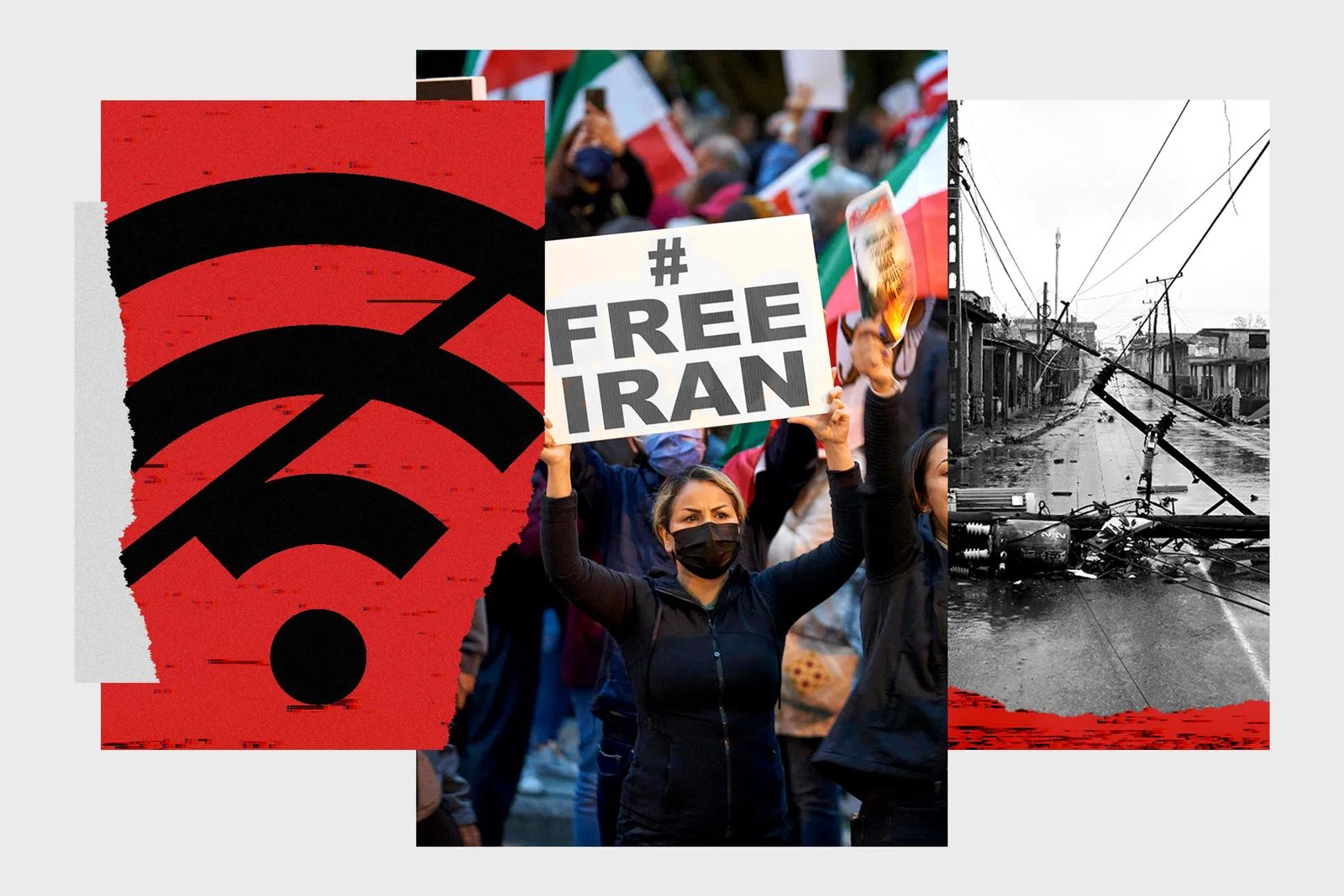
Iran’s ongoing internet blackout, now stretching into its 33rd day, has become one of the longest and most severe digital shutdowns in modern history. What began as a response to escalating conflict and internal unrest has evolved into a full-scale information lockdown, isolating millions of citizens from the outside world.
Monitoring group NetBlocks previously confirmed the shutdown had crossed 30 days, with connectivity reduced to a fraction of normal levels. (Asharq Al-Awsat) As of late March, internet access in Iran remained in near-total blackout conditions, with traffic at times dropping to as low as 1% of ordinary levels. (Wikipedia)
Now entering its fifth week, the blackout is no longer just a technical disruption; it is a strategic tool of war, governance, and control.
Why Iran Shut Down the Internet
The blackout is rooted in a convergence of three major crises:
1. War With Israel and the United States: Following large-scale airstrikes that began in late February 2026, Iran imposed a near-total internet shutdown almost immediately. (Human Rights Watch)
The goal: limit real-time information flow about military damage, civilian casualties, and strategic vulnerabilities.
2. Suppression of Internal Unrest: The shutdown also traces back to January 2026, when authorities first cut internet access during widespread anti-government protests. (Wikipedia)
Human rights groups argue the blackout helps conceal violent crackdowns and prevents protesters from organizing. (The Guardian)
3. Information Control in Wartime: In modern conflicts, information is power. By restricting internet access, Iranian authorities can control narratives, limit foreign intelligence gathering, and prevent coordination of dissent.
The Human Impact: Isolation in a War Zone
For ordinary Iranians, the blackout has turned daily life into a struggle for connection, survival, and certainty.
Reports indicate families abroad cannot reach loved ones, emergency information is difficult to access, and civilians rely on unreliable workarounds like VPNs.
In many cases, even those tools are ineffective due to the depth of the shutdown.
According to reporting, millions are now effectively cut off from global communication, worsening the psychological toll of war. (AP News)
Despite ongoing bombings and economic hardship, citizens attempt to maintain normal life, but in an environment of digital silence and uncertainty. (The Guardian)
Economic Consequences: A Digital Economy in Collapse
The economic cost of the blackout is staggering.
- Estimated losses: up to $35–37 million per day
- Online sales dropped by as much as 80% (Wikipedia)
- Financial transactions declined sharply
In a country already under sanctions and facing war-related disruptions, the blackout compounds the economic strain exist.
Small businesses, especially those dependent on social media and digital payments, have been hit hardest. Many have effectively been shut down overnight.
A New Model of Digital Control
Iran’s blackout is not just about shutting off access; it represents a more sophisticated model of digital authoritarianism.
Key features include:
Near-Total External Disconnection: Global access to Iranian websites is largely blocked, with most connections failing entirely.
Controlled Internal Networks: Authorities are pushing users toward a state-controlled intranet, often referred to as the “National Information Network.”
Targeting Circumvention Tools: Efforts to block satellite internet services like Starlink and seize equipment show a determination to close all digital loopholes. (Wikipedia)
This layered approach suggests a long-term strategy, not just a temporary wartime measure.
Information Blackout as a War Strategy
The blackout also serves military objectives.
In modern warfare, open internet access can:
- Reveal troop movements
- Expose infrastructure damage
- Enable real-time intelligence sharing
By restricting connectivity, Iran reduces these risks.
However, this comes at a cost:
- Reduced civilian awareness
- Slower emergency response
- Increased misinformation
Ironically, while the blackout limits external intelligence, it also creates internal confusion.
Global Implications: A Dangerous Precedent
Iran’s prolonged internet shutdown is raising alarms globally.
1. Normalization of Digital Blackouts: If sustained without significant international consequences, such actions could become more common in conflict zones.
2. Impact on Global Internet Governance: The blackout challenges the idea of a free and open internet, reinforcing the trend toward “digital sovereignty.”
3. Information Fragmentation: As countries build isolated digital ecosystems, the global internet risks becoming fragmented into national networks.
Why the Blackout Continues
After 33 days, the key question is: why hasn’t Iran restored connectivity?
Several factors explain the persistence:
Ongoing Conflict: With war still active, authorities see continued restrictions as necessary for security.
Political Control: The blackout reduces the risk of protests gaining momentum.
Strategic Calculation: Leaders may believe the benefits of control and security outweigh the economic and social costs.
Can the Blackout Be Sustained?
Despite its effectiveness in control, the blackout is not sustainable indefinitely.
Economic Pressure: Daily losses are mounting, threatening long-term stability.
Public Frustration: Extended isolation increases dissatisfaction, particularly among younger, digitally connected populations.
Technological Workarounds: Even under heavy restrictions, citizens and activists continue to seek ways to bypass censorship.
Society in Digital Darkness
The longer the blackout continues, the more profound its impact becomes.
It is no longer just about access to social media or messaging apps. It affects healthcare coordination, financial systems, education, and emergency services.
In effect, the blackout has transformed Iran into a partially disconnected society in the middle of a major war.
Conclusion: Control vs. Consequence
Iran’s 33-day internet blackout represents a defining moment in the evolution of digital control.
It highlights how governments can weaponize connectivity, turning off access not just to manage crises, but to shape them.
Yet, it also exposes the limits of such strategies. While the blackout may offer short-term control, its long-term consequences, economic damage, social isolation, and global scrutiny are far harder to contain.
As the war continues, the fate of Iran’s internet will serve as a critical test case for the future of digital freedom in conflict zones.