Iran's Guards Claim Strikes Against Oman and Bahrain as Gulf Tensions Escalate
Iran’s Islamic Revolutionary Guard Corps claims it has carried out strikes against targets in Oman and Bahrain amid rising regional tensions. Authorities in the Gulf states are assessing the situation as fears of wider conflict grow.
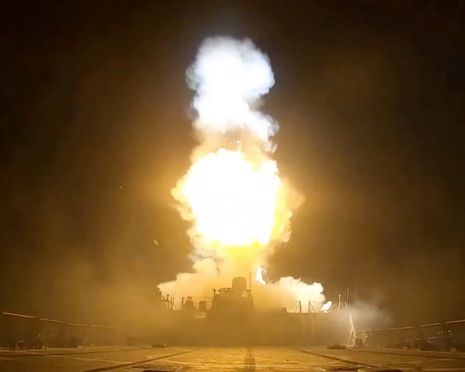
Iran’s Islamic Revolutionary Guard Corps (IRGC) has claimed responsibility for carrying out strikes against targets in Oman and Bahrain, marking a significant escalation in tensions across the Gulf region and raising concerns about the possibility of a wider military confrontation.
The reported attacks have heightened fears among Gulf states and international observers, with governments closely monitoring developments and assessing potential security implications.
Iran’s military wing said the operations were carried out in response to what it described as hostile actions against Iranian interests. However, details surrounding the alleged strikes, including the exact locations targeted, and the extent of any damage and possible casualties, remain unclear.
Authorities in Oman and Bahrain have yet to provide full details regarding the claims, while regional security officials continue to assess the situation.
The claims come amid an increasingly tense atmosphere in the Middle East, where rival powers have repeatedly exchanged warnings and threats over military activities, regional influence and security concerns.
Iran Expands Military Warnings
The Islamic Revolutionary Guard Corps, one of Iran’s most powerful military organizations, has frequently played a central role in Tehran’s regional security strategy.
The IRGC has significant influence over Iran’s missile capabilities, naval operations and foreign military partnerships.
In its statement, the group said the reported operations demonstrated Iran’s ability to respond to perceived threats and protect its national interests.
Iranian officials have repeatedly warned that any attack on the country or its allies would trigger a response, raising concerns among neighbouring states that tensions could spread beyond existing conflict zones.
Military analysts say Iran’s ability to project power across the Gulf remains a major factor in regional security calculations.
Gulf States Face Growing Security Concerns
Oman and Bahrain are strategically important Gulf countries with close economic and security ties to international partners.
Oman has traditionally maintained a neutral diplomatic position in regional disputes and has often played a role as a mediator between rival powers.
Bahrain, meanwhile, hosts important military infrastructure and maintains strong defense cooperation with Western allies.
Any military activity affecting either country could have significant implications for regional stability, energy markets and international shipping routes.
Security experts say the Gulf remains particularly vulnerable because of its importance to global oil and gas transportation.
Impact on Strait of Hormuz Security
The developments have renewed concerns over the security of the Strait of Hormuz, one of the world’s most important maritime chokepoints.
The narrow waterway connects the Persian Gulf with the Gulf of Oman and the Arabian Sea, serving as a major route for global energy shipments.
Any escalation involving Iran and Gulf countries could affect shipping operations, increase insurance costs and create uncertainty in international energy markets.
Although commercial traffic has continued through the region, shipping companies and governments remain alert to possible threats.
Energy analysts say even limited military incidents can create market instability because of fears that wider conflict could disrupt fuel supplies.
International Community Calls for Restraint
Governments and international organizations are expected to urge restraint as tensions rise.
Diplomatic officials have repeatedly warned that military escalation in the Gulf could have consequences far beyond the region.
The United Nations and several global powers have previously called on countries involved in Middle East disputes to prioritise dialogue and avoid actions that could trigger broader conflict.
Foreign governments are closely monitoring intelligence reports and communicating with regional partners as they assess the situation.
Military and Diplomatic Reactions
Defense officials in affected countries are expected to review security arrangements and consider possible responses.
While Iran has emphasized its military readiness, Gulf governments have historically relied on diplomatic engagement alongside defense cooperation to manage regional threats.
Analysts say the response from Oman and Bahrain will be closely watched, particularly regarding whether they pursue diplomatic channels or strengthen military preparedness.
The situation could also influence broader negotiations involving Iran, Gulf nations and international powers.
Risk of Wider Regional Conflict
The latest claims have added to concerns that ongoing disputes in the Middle East could expand into a larger confrontation.
Regional conflicts have increasingly involved multiple actors, including state militaries, armed groups and international coalitions.
Experts warn that miscalculations or retaliatory actions could rapidly increase tensions.
However, analysts also note that regional powers have strong economic incentives to avoid prolonged conflict because instability could damage trade, investment and energy markets.
Global Markets Monitor Developments
Financial markets are expected to closely follow developments following the IRGC claims.
Oil prices often respond quickly to geopolitical risks in the Gulf, with investors watching for any signs of disruption to production or transportation.
A sustained escalation could create additional pressure on global energy markets and increase costs for consumers worldwide.
However, if diplomatic efforts succeed in reducing tensions, market concerns could ease.
Uncertain Path Ahead
As authorities continue investigating the reported strikes, many questions remain unanswered regarding the scale and consequences of the alleged operations.
The coming days are expected to be critical as governments determine their responses and international diplomatic efforts intensify.
Iran’s claims represent another major development in an already fragile regional security environment.
With Gulf nations, global powers and energy markets watching closely, the priority for many observers remains preventing further escalation and finding diplomatic solutions to avoid a broader crisis.
For now, uncertainty surrounds the situation as officials gather more information and assess the implications of Iran’s reported military actions against Oman and Bahrain. (Reuter)