Iran’s Deadly School Attacks and Pentagon Silence, Raises Questions Over Civilian Deaths in Wartime Strikes
Deadly attacks on schools in Iran have sparked outrage as reports link U.S. strikes to civilian deaths. Critics are questioning the Pentagon’s silence, delayed responses, and accountability.
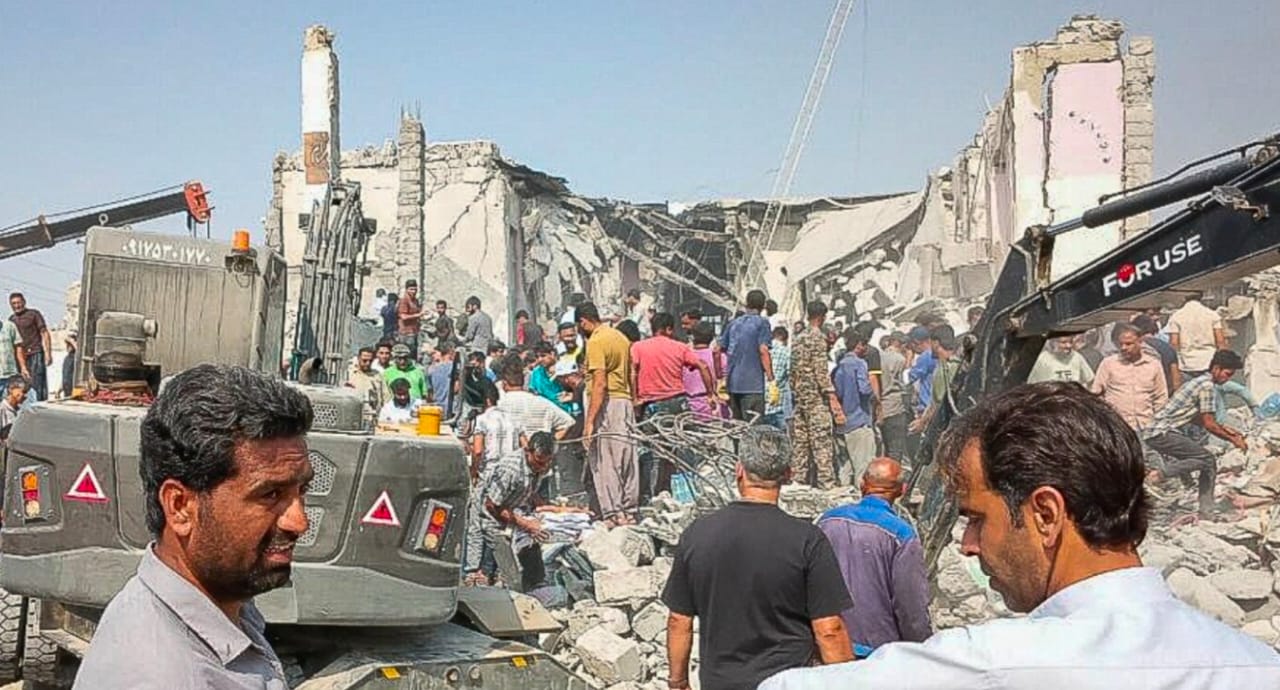
A growing international controversy is surrounding a series of deadly attacks on schools in Iran during the 2026 conflict, with the most devastating incident being the missile strike on a primary school in Minab that reportedly killed scores of children and teachers. As casualty figures mounted and evidence emerged pointing toward possible U.S. responsibility, critics began asking a sharper question: why has the Pentagon remained so cautious, slow, and largely silent? (Military Times)
The issue has become one of the most politically sensitive episodes of the war, combining allegations of civilian deaths, disputed military targeting, delayed official explanations, and demands for accountability under international humanitarian law.
The Minab School Strike
The deadliest known case occurred on February 28, 2026, when the Shajareh Tayyebeh primary school in Minab, southern Iran, was hit during school hours. Independent reporting and later open-source investigations suggested multiple strikes hit the area, collapsing sections of the building while students and staff were inside.
Reported death tolls have varied. Some early estimates cited at least 165 to 168 fatalities, while later tallies listed over 150 dead, many of them children under age 12. Several reports said teachers and parents were also among the victims. (Wikipedia)
The scale of the casualties made it one of the deadliest single civilian incidents of the conflict.
Why the Pentagon Came Under Pressure
In the immediate aftermath, U.S. officials did not clearly confirm or deny responsibility. Instead, the Pentagon said it was “investigating” the incident. Critics argued that this careful language contrasted sharply with the severity of the allegations and the speed with which governments often comment on enemy attacks. (Fox News)
Later reporting indicated that internal U.S. assessments believed American forces likely carried out the strike, even though no final public conclusion had yet been issued at that time. (The Washington Post)
That sequence of initial ambiguity, delayed acknowledgment, and prolonged investigation fueled accusations of institutional silence.
Other Reported Civilian Site Strikes
The Minab incident was not the only controversial attack. On the same day, a sports hall in Lamerd, where a women’s volleyball team was reportedly training, was struck, killing at least 21 people and injuring around 100, according to cited reports. Independent analyses again questioned official denials.
Reports also circulated additional damage to educational facilities in Tehran and other locations during the broader air campaign.
Together, these incidents deepened concern that civilian-protection safeguards may have failed.
Why Silence Matters in Modern Warfare
Military organizations often avoid immediate comment for operational or legal reasons. They may need time to verify intelligence, battle damage assessments, chain-of-command decisions, and weapons logs.
However, silence during a civilian casualty controversy can carry costs:
1. It Damages Credibility: When evidence appears publicly before official acknowledgment, governments risk looking evasive rather than cautious.
2. It creates an Information Vacuum: Where official facts are delayed, propaganda, misinformation, and rumor spread rapidly.
3. It Deepens Victim Anger: Families of the dead often see silence as indifference.
4. It Raises Legal Pressure: Delayed transparency can intensify calls for independent investigations into possible war crimes or negligent targeting.
Could It Have Been a Targeting Error?
Some analysts suggested the Minab school may have been located near or adjacent to an Iranian military facility, creating the possibility of misidentification, faulty intelligence, or a strike intended for nearby military assets.
Under international law, proximity to a military target does not automatically remove civilian protection. Attacking forces are still expected to distinguish military from civilian sites and minimize harm.
That is why critics say the Pentagon’s eventual explanation, if one comes must address:
- What was the intended target?
- What intelligence supported the strike?
- Were civilians known to be present?
- Were alternative tactics considered?
- Were post-strike reviews conducted promptly?
Pentagon Messaging vs. Accountability
Defense Secretary Pete Hegseth said the U.S. does not intentionally target civilians and announced a formal investigation. That statement was meant to reassure critics, but for many observers it did not answer the central issue: whether systems designed to prevent such deaths had failed.
Modern militaries rely heavily on precision weapons, surveillance, algorithmic target analysis, and layered approvals. When mass civilian casualties still occur, the public expects more than generic statements.
They expect specifics.
International Reaction
Human rights advocates, legal scholars, and global institutions reportedly called for transparent and impartial investigations into the school strike and related incidents. Open-source researchers and journalists also played a major role in reconstructing timelines, blast patterns, and probable weapon origins.
The episode also revived long-running debates about whether advanced militaries are held to sufficiently high standards when civilian casualties occur abroad.
Lessons From the Crisis
1. Precision Weapons Do Not Guarantee Precision Outcomes: Even advanced missiles and intelligence systems can produce catastrophic results when assumptions are wrong.
2. Transparency Is Strategic: Rapid honesty can preserve more trust than prolonged ambiguity.
3. Civilian Protection Must Be Operational, Not Just Rhetorical: Stated commitments matter less than measurable safeguards.
4. Open-Source Evidence Changes Everything: Satellite images, videos, and digital forensics now challenge official narratives in real time.
What Happens Next?
The long-term significance of Iran’s deadly school attacks may depend on whether credible findings are ever released. If investigations remain vague or classified, suspicion will persist. If clear mistakes are acknowledged, pressure for compensation, reforms, or accountability could follow.
For the Pentagon, silence may have been intended as caution. But in the information age, silence itself becomes a message.
And when children die in war, the world listens closely to what is said - and what is not.