Iran Rejects U.S. Peace Plan, Sets Five Conditions to End War
Iran rejects Trump’s 15-point peace plan and issues five conditions to end the war. Explore Tehran’s demands, rising tensions, and implications for global security and oil markets.
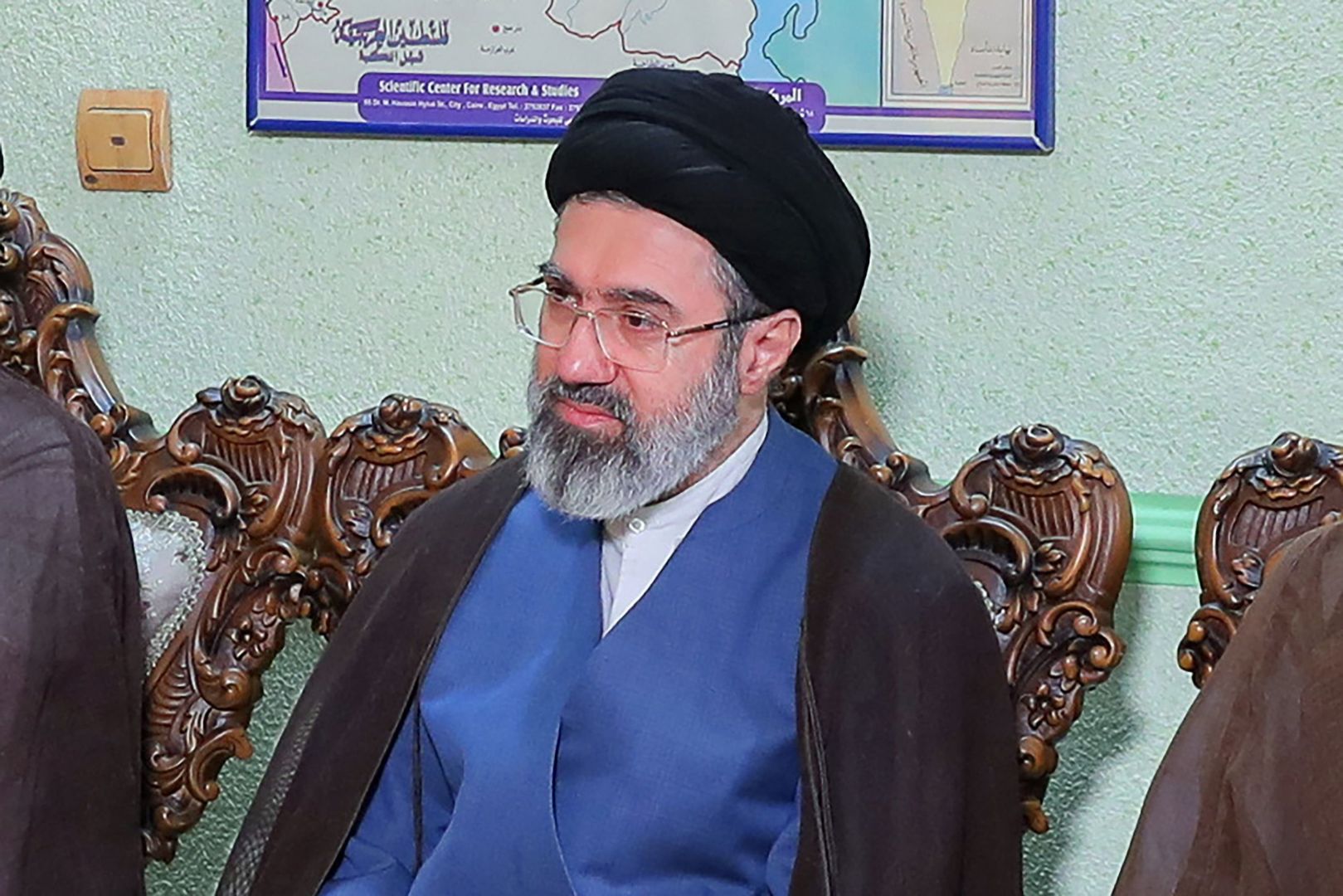
The deepening crisis between the United States and Iran has entered a new and dangerous phase following Tehran’s outright rejection of a proposed 15-point peace plan from the administration of Donald Trump.
Rather than accepting Washington’s framework for de-escalation, Iran has issued five counter-conditions, signaling a hardening stance that could prolong the conflict and reshape the geopolitical balance in the Middle East.
The development underscores a widening diplomatic gulf, with both sides now entrenched in positions that appear increasingly incompatible.
The U.S. Peace Proposal and Its Collapse
The U.S. proposal reportedly sought to end the war through sweeping concessions from Iran, including the dismantling of its nuclear infrastructure, ending uranium enrichment, restrictions on missile programs, reopening the strategic Strait of Hormuz, and reducing regional military influence.
In return, Washington offered sanctions relief and economic incentives. However, Iran quickly dismissed the plan as “excessive” and unrealistic, arguing it amounted to unilateral surrender rather than negotiation. (Cadena SER)
Iranian officials also rejected claims that meaningful negotiations had taken place, insisting that no formal agreement was under consideration.
Iran’s Five Conditions for Ending the War
In response, Tehran outlined five key conditions that must be met before any ceasefire or peace agreement can be considered.
1. Full Withdrawal of U.S. Military Presence
Iran demands the removal of U.S. military bases and forces from the Gulf region, viewing them as a direct threat to its sovereignty. (New York Post)
2. Complete Lifting of Sanctions
Tehran insists on the unconditional removal of all U.S. sanctions - not just those related to its nuclear program - as a prerequisite for peace. (Yahoo Finance)
3. War Reparations
Iran is seeking compensation for damages caused by U.S. and allied military actions, marking a significant escalation in its negotiating position.
4. Recognition of Strategic Control in the Region
Iran has reportedly demanded recognition of its authority over critical areas, including influence around the Strait of Hormuz, a key global oil route.
5. Retention of Military and Missile Capabilities
Tehran has refused to negotiate away its missile program or broader defense infrastructure, framing them as essential to national security.
Collectively, these conditions represent a mirror rejection of U.S. demands - effectively shifting the burden of compromise back onto Washington.
Why Iran Rejected the Plan.
Here are a few reasons why Iran rejected the US 15-point peace plan which includes:
1. Perception of Imbalance: Iran views the U.S. proposal as heavily one-sided, requiring significant concessions without equivalent guarantees.
2. Deep Mistrust: Years of failed negotiations, sanctions, and military confrontation have eroded trust. Iranian officials argue that previous agreements were undermined, and the U.S. commitments cannot be relied upon
3. Sovereignty Concerns: Tehran considers demands such as dismantling its nuclear and missile programs as violations of its sovereign rights.
4. War-Time Leverage: By continuing military operations, Iran believes it holds leverage that strengthens its bargaining position. (afr.com)
Escalating Military and Economic Fallout
Despite diplomatic efforts, the conflict continues to intensify. Reports indicate ongoing missile and drone attacks across the region, strikes targeting infrastructure in Gulf states, and continued Israeli and U.S. military operations (Bloomberg.com)
Impact on Global Oil Markets
The crisis has had immediate consequences for global energy markets as oil prices have surged amid supply fears, shipping disruptions in the Strait of Hormuz have increased uncertainty, and financial markets have shown volatility following news of failed ceasefire talks (MarketWatch)
Given that the Strait of Hormuz carries a significant share of global oil supply, any prolonged disruption could trigger a broader economic shock.
Diplomatic Deadlock and Global Reactions
International reactions have been mixed as European powers have called for restraint and renewed negotiations, regional actors remain divided on how to respond, and mediators such as Pakistan and Egypt have struggled to bridge the gap (The Times)
The lack of a unified global approach has further complicated efforts to de-escalate the crisis.
Strategic Implications
1. Prolonged Conflict Risk: Iran’s rejection significantly reduces the likelihood of a near-term ceasefire, increasing the risk of a drawn-out war.
2. Shift in Negotiation Dynamics: By issuing its own conditions, Iran has reasserted control over the negotiation narrative and forced the U.S. to reconsider its approach
3. Regional Power Realignment: The standoff could reshape alliances across the Middle East, particularly if the Gulf states feel increasingly vulnerable, and non-state actors become more involved
4. Global Economic Uncertainty: Continued instability threatens energy markets, trade routes, and inflation levels worldwide. For oil-producing nations like Nigeria, the situation presents both opportunities and risks tied to price volatility.
A Clash of Strategic Visions
At its core, the impasse reflects a fundamental clash where the U.S. seeks to limit Iran’s military and nuclear capabilities, while Iran seeks recognition of its regional power and security autonomy
These competing visions leave little room for compromise without significant concessions from one side.
Last line
Iran’s rejection of the U.S. peace plan and its introduction of five counter-conditions mark a critical turning point in the ongoing conflict. Rather than moving toward resolution, the crisis appears to be entering a more entrenched and volatile phase - one defined by diplomatic deadlock, military escalation, and growing global economic risks.
Unless both sides find common ground, the path ahead points not to peace, but to a prolonged confrontation with far-reaching consequences.