Iran Proposes Reopening Strait of Hormuz Within Seven Days in Push for Peace Talks
Iran has proposed reopening the Strait of Hormuz within seven days if the United States eases military pressure and lifts its blockade, in a new attempt to revive peace talks.
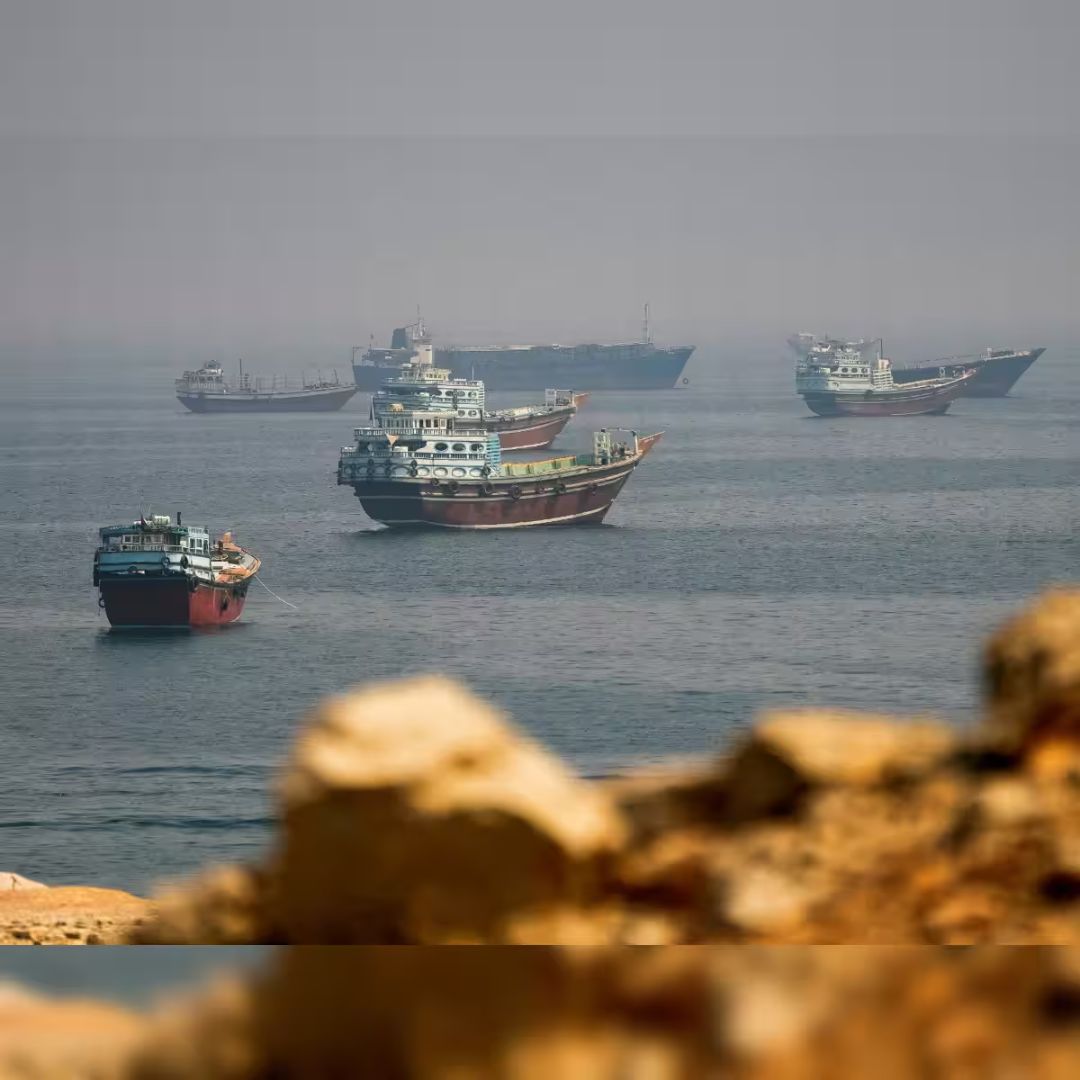
Iran has proposed reopening the strategically vital Strait of Hormuz within seven days if the United States agrees to a series of conditions, marking a new diplomatic effort to ease the escalating confrontation between Tehran and Washington.
Iranian Foreign Minister Abbas Araghchi said on Thursday, September 24, that Tehran had delivered the proposal to the United States through intermediaries during diplomatic contacts on the sidelines of the United Nations General Assembly in New York.
Under the proposal, Iran would reopen the crucial waterway after seven days once Washington accepts the conditions, while negotiations over a broader agreement and Iran's nuclear programme would subsequently resume. (Al Jazeera)
The announcement comes after months of military confrontation and restrictions on shipping through the waterway, which is one of the world's most important routes for global energy supplies.
What Iran Is Proposing
Araghchi said Iran had submitted its proposal through mediators and that the seven-day timetable could begin immediately after the United States accepts the plan.
According to the Iranian foreign minister, the proposal is based largely on the framework of a memorandum of understanding reached between Iran and the United States in June.
He said the conditions include an end to fighting on all fronts, including in Lebanon, the lifting of the US naval blockade of Iranian ports and the release of frozen Iranian assets.
After seven days, Iran would reopen the Strait of Hormuz, with negotiations on Iran's nuclear programme beginning afterward.
The proposal therefore links the reopening of the waterway directly to broader political and economic concessions rather than treating shipping access as an isolated issue.
Hormuz Has Become the Centre of the Dispute
The Strait of Hormuz has emerged as one of the most important bargaining points in the confrontation between Iran and the United States.
The narrow waterway connects the Persian Gulf with the Gulf of Oman and the wider Arabian Sea. Large volumes of oil and other energy products normally pass through it, making uninterrupted navigation important to energy markets around the world.
Reuters reported that shipping traffic through the strait had fallen sharply during the crisis, although some vessels continued to transit the waterway. The disruption has increased concerns over energy supplies and added pressure to an already fragile global economy.
Iran's willingness to discuss reopening the strait therefore has implications far beyond its dispute with Washington.
Tehran Wants US Military Pressure Reduced
A senior Iranian official previously told Reuters that Tehran could reopen Hormuz within seven days if the United States eased military pressure and lifted its blockade of Iranian ports.
The official said Washington would first have to formally indicate that it wanted to resolve the confrontation through diplomacy and agree on a timetable for negotiations.
Iran's position reflects its insistence that reopening the waterway cannot be separated from the broader military and economic pressure being applied against the country.
The proposal has subsequently been presented more formally through diplomatic intermediaries.
Qatar has been involved in passing messages between Tehran and Washington, while the contacts have taken place alongside the UN General Assembly in New York. Both sides have described some of the indirect discussions positively, although there has been no confirmed comprehensive agreement.
Why the Seven-Day Timetable Matters
The seven-day timetable provides a potential sequence for de-escalation.
Under the proposal described by Araghchi, the process would begin once Washington accepts Tehran's conditions. Fighting would stop, the US blockade would be lifted and frozen Iranian assets would be released. After seven days, the Strait of Hormuz would reopen, followed by negotiations on the nuclear issue.
This represents a phased approach in which both sides would make concessions rather than attempting to resolve every disagreement in a single agreement.
Reuters reported on September 24 that US and Iranian negotiators were exploring such a phased route, with Tehran potentially reopening Hormuz in exchange for Washington lifting its economic blockade. Sources familiar with the discussions said the major challenge remained the question of which side would give up leverage first. (MarketScreener)
The United States Has Not Accepted the Proposal
Despite the announcement, the reopening plan remains conditional.
There has been no confirmation that Washington has accepted Iran's seven-day proposal. A US official said the two sides were having “positive and constructive discussions” through mediators, but Washington has also indicated that it is not under immediate pressure to accept Tehran's terms.
The White House has maintained that the United States is in a strong position regarding the Strait of Hormuz. (The Washington Post)
That difference in position remains one of the biggest obstacles to a breakthrough.
Iran wants sanctions and the blockade eased as part of the process, while Washington has been pressing for broader negotiations involving Iran's nuclear programme and other security concerns.
Oil Markets Are Watching Closely
Any sustained reopening of Hormuz could have major consequences for global energy markets.
The waterway is a critical route for oil shipments from the Gulf region. Prolonged disruption can increase transportation risks, raise insurance costs and put upward pressure on energy prices.
Conversely, a credible agreement allowing normal shipping to resume could reduce some of those risks.
The economic significance is particularly important for oil-importing countries, including many developing economies that are vulnerable to increases in fuel and transportation costs.
For countries such as Nigeria, which both produces and imports petroleum products, movements in global crude prices can affect government revenues, fuel costs, inflation and foreign-exchange pressures.
A Previous Understanding Already Collapsed
Iran's latest proposal is also influenced by the failure of an earlier understanding reached in June.
According to reports, that framework was intended to ease the conflict and gradually restore shipping through the Strait of Hormuz. However, disagreements over implementation and vessel movements contributed to its collapse in July. (i24NEWS)
The collapse of that arrangement means both sides face a trust problem.
Any new agreement would therefore need mechanisms that ensure commitments made by one side are matched by actions from the other.
What Happens Next?
The immediate question is whether Washington will accept Tehran's conditions and whether the two governments can translate indirect diplomatic contacts into a workable agreement.
For Iran, reopening Hormuz could provide a pathway toward easing international pressure while preserving its position in negotiations.
For the United States, unrestricted navigation through the waterway remains a major strategic objective, but Washington is also seeking broader concessions from Tehran.
The proposal could therefore represent an opening for diplomacy, but it does not yet amount to a peace agreement.
For the millions of people and businesses affected indirectly by energy prices, shipping costs and regional instability, the stakes are considerable.
If the seven-day proposal progresses, the Strait of Hormuz could move from being the central pressure point in the confrontation to becoming the starting point for a wider diplomatic settlement.
For now, however, the proposal remains on the negotiating table, with both sides still required to bridge significant differences before the waterway can return to normal commercial traffic.