Iran Denies Trump's Claim That New Nuclear Talks Will Begin Monday, Says No Negotiations Are Planned
Iran has rejected U.S. President Donald Trump's claim that fresh talks between Washington and Tehran will begin on Monday, insisting that no negotiations are scheduled despite renewed diplomatic speculation.
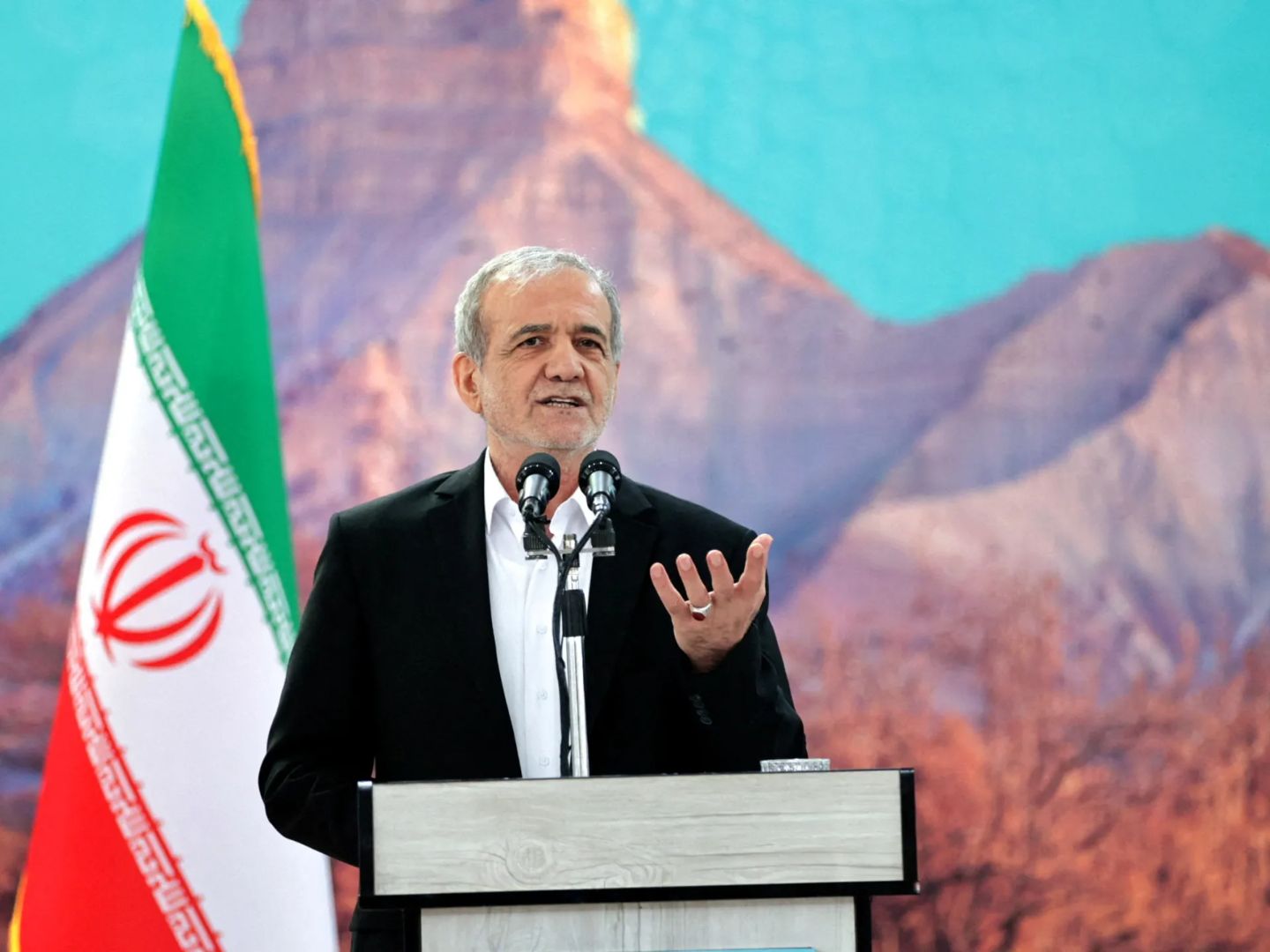
Iran has firmly denied U.S. President Donald Trump's assertion that fresh negotiations between Washington and Tehran are set to begin on Monday, casting doubt on prospects for a diplomatic breakthrough as tensions over Iran's nuclear programme and the Strait of Hormuz remain high.
The contradiction emerged after Trump announced that he had called off plans for a major military strike against Iran because diplomatic talks were about to resume. However, Iranian officials quickly dismissed the claim, insisting that no negotiations with the United States are currently scheduled. (Reuters)
Trump Announces Planned Talks
Speaking to reporters over the weekend, Trump said new negotiations with Iran would begin on Monday as part of efforts to end months of hostilities and resolve disputes surrounding Iran's nuclear activities and maritime security in the Strait of Hormuz.
Trump also claimed he had suspended what he described as a major planned military attack against Iran after receiving indications that diplomacy could produce a breakthrough.
According to the U.S. president, the proposed discussions would address the reopening of the Strait of Hormuz, regional security, and Iran's nuclear programme, which has remained at the centre of international concern for years. (Reuters)
Tehran Rejects the Claims
Iran's Foreign Ministry swiftly rejected Trump's statement.
Foreign Ministry spokesman Esmail Baghaei told reporters that there are no direct or indirect negotiations scheduled with the United States, contradicting Trump's announcement.
Baghaei emphasised that Iranian officials remain in the country, apart from Foreign Minister Abbas Araqchi, who is on a religious pilgrimage, and stated that no American delegation is expected in Tehran or any agreed location for talks.
"There are no negotiations currently taking place with the United States," the spokesman said, according to Iranian state media and international news reports.
Talks With Oman Continue
While dismissing Trump's claims, Iran acknowledged that discussions are ongoing with Oman but stressed that these conversations are unrelated to direct U.S.-Iran negotiations.
According to Tehran, the Omani discussions focus primarily on navigation and maritime security in the Strait of Hormuz, one of the world's busiest oil shipping routes.
The Strait of Hormuz carries roughly one-fifth of global oil supplies, making stability in the region crucial for international energy markets.
Iran has repeatedly argued that discussions involving Oman should not be interpreted as negotiations with Washington.
A Familiar Pattern of Conflicting Messages
The latest disagreement reflects a recurring pattern in U.S.-Iran relations over recent months.
Trump has on several occasions suggested that negotiations were progressing or about to resume, only for Iranian officials to deny that formal talks were taking place.
Analysts say the conflicting public statements highlight the deep mistrust between the two governments after months of military confrontation, sanctions and diplomatic deadlock. (Al Jazeera)
Some observers believe Washington is attempting to project diplomatic momentum, while Tehran is reluctant to appear as though it is negotiating under military pressure.
Military Tensions Remain High
The diplomatic disagreement comes against the backdrop of continued regional instability.
Although Trump said he suspended planned military action in favour of diplomacy, the United States has continued to maintain a strong military presence across the Gulf.
Iran, meanwhile, insists it will continue defending its sovereignty and has warned against any further military escalation.
The disagreement over negotiations follows months of conflict involving Iran, Israel and the United States that have raised concerns about wider instability across the Middle East. (AP News)
Oil Markets React
Financial markets reacted positively to Trump's announcement that military action had been postponed.
Brent crude prices fell by more than four per cent after investors interpreted Trump's comments as reducing the immediate risk of disruption to global oil supplies.
However, energy analysts warned that market volatility could quickly return if diplomatic efforts fail or tensions around the Strait of Hormuz intensify again.
The uncertainty surrounding shipping through the strategic waterway continues to influence global energy prices.
Nuclear Issue Still Unresolved
Iran's nuclear programme remains the central obstacle in relations between Tehran and Washington.
Western governments have long accused Iran of enriching uranium beyond levels required for peaceful civilian purposes, raising fears that it could eventually develop nuclear weapons.
Iran continues to reject those accusations, maintaining that its nuclear programme is intended solely for peaceful energy generation and scientific research.
Efforts to revive a broader nuclear agreement have repeatedly stalled amid disagreements over sanctions, inspections and regional security issues.
International Community Watches Closely
Governments across Europe and the Middle East continue to monitor developments closely, hoping renewed diplomacy could reduce tensions that have threatened global trade and energy security.
Regional allies, including Gulf states, have repeatedly urged restraint, warning that further military confrontation would have severe consequences for international shipping, oil exports and economic stability.
Diplomatic observers say that while back-channel communications may continue through intermediaries such as Oman, Pakistan and Qatar, no formal negotiations appear imminent based on Iran's latest statements. (Muslim Network)
Outlook
Whether fresh talks eventually materialise remains uncertain.
Trump maintains that diplomacy remains possible and has expressed optimism about reaching an agreement with Tehran. Iran, however, insists that no negotiations have been arranged and continues to deny Washington's public claims.
For now, the conflicting messages underscore the fragile state of U.S.-Iran relations, where diplomatic signals are frequently overshadowed by mutual distrust, military posturing and competing political narratives.
Until both sides publicly acknowledge a common negotiating framework, prospects for meaningful progress remain unclear, leaving the international community watching closely for any signs of renewed engagement or further escalation. (Reuters)