Iran Arrests 65 for ‘Collaborating with the Enemy’
Iran arrests 65 alleged collaborators in Markazi province amid wider wartime crackdowns. This analysis explores the motives, legal implications, and what it means for civil liberties and security.
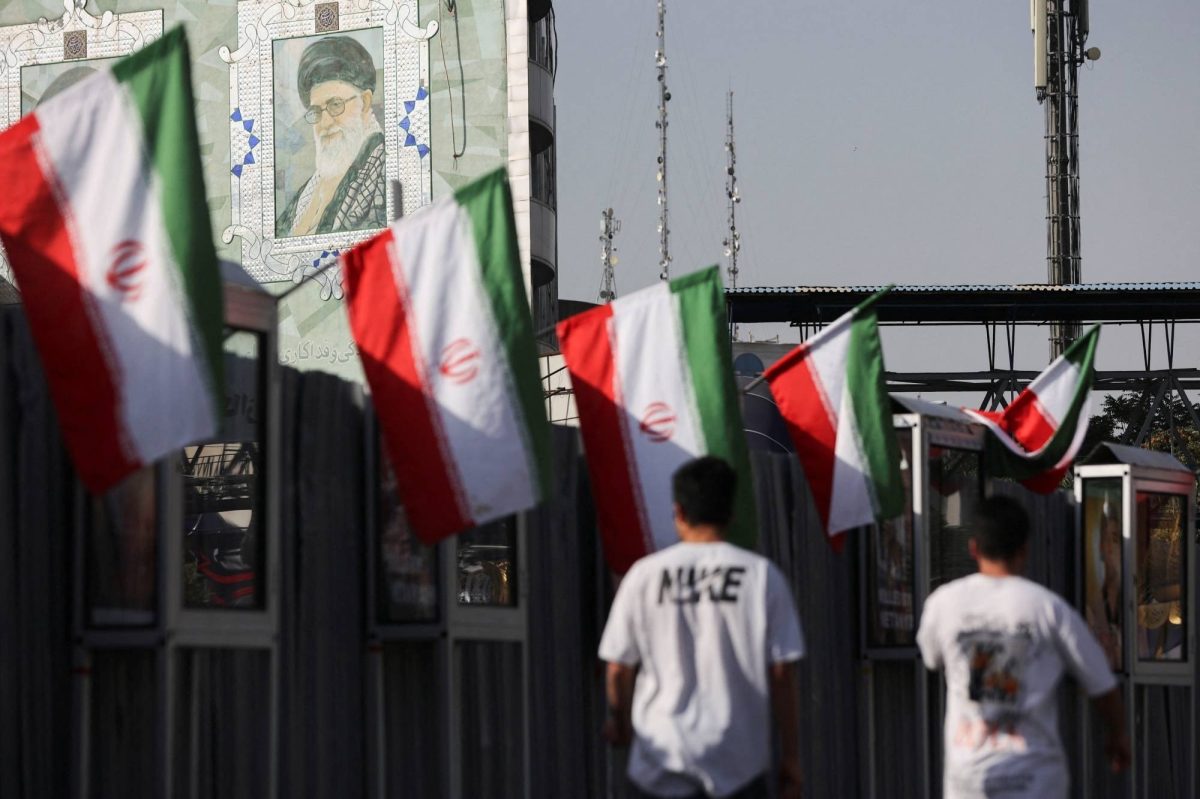
Iran’s security apparatus has intensified its internal crackdown, with reports that 65 individuals were arrested in Markazi province for allegedly acting as “agents and collaborators with the enemy.” (Facebook)
Though relatively small compared to the broader scale of arrests across the country, the incident is part of a sweeping national campaign targeting suspected espionage, dissent, and information-sharing during the ongoing war involving Iran, Israel, and the United States.
Authorities claim the arrests are necessary to protect national security. Critics argue they reflect a widening net that blurs the line between legitimate security enforcement and political repression.
The Bigger Picture: A Nationwide Crackdown
The arrest of 65 suspects does not stand alone. It fits into a much larger pattern:
- Over 466 people were arrested recently for online activities deemed threatening to national security (Reuters)
- More than 1,000 arrests have been reported within a month
- Hundreds more have been detained for alleged espionage, media collaboration, or protest-related activities (Wikipedia)
At the same time, Iranian authorities have warned that those found guilty of aiding enemy states could face severe penalties, including death sentences and asset seizures
This indicates a shift from selective enforcement to systemic internal control.
Who Are the “Collaborators”?
Iranian officials use broad definitions when describing “collaboration with the enemy.” This can include:
- Sharing images or videos of military sites
- Communicating with foreign media outlets
- Posting anti-government content online
- Providing intelligence - real or perceived to foreign actors
In some cases, even ordinary digital activity, such as filming airstrikes or sharing information, has been classified as aiding hostile forces.
This expansive definition allows authorities to target a wide range of individuals, from activists and journalists to ordinary citizens.
Wartime Logic: Security or Survival?
From the government’s perspective, the crackdown is rooted in wartime necessity.
Iran is currently facing:
- Sustained airstrikes from Israel and the United States
- Intelligence threats from foreign agencies
- Internal instability following mass protests
In such an environment, authorities argue that:
- Information leaks can endanger military operations
- Online content can assist enemy targeting
- Internal dissent can weaken national unity
Indeed, officials warn that even “sharing images” could be interpreted as intelligence cooperation.
This reflects a broader doctrine: total information control during conflict.
The Role of Fear and Deterrence
Beyond security, the arrests serve as a powerful deterrent function.
By publicizing arrests and emphasizing harsh penalties, authorities aim to discourage dissent, prevent collaboration with foreign entities, and reinforce state authority.
The use of severe charges such as espionage or “waging war against God” creates a climate of fear that extends far beyond those directly arrested.
This strategy has historical precedent in Iran, particularly during periods of political unrest or external conflict.
Civil Liberties Under Pressure
Human rights groups and analysts warn that the crackdown risks eroding fundamental freedoms.
Key concerns include:
1. Broad and Vague Charges: The definition of “collaboration” is so wide that it can encompass non-criminal behavior.
2. Due Process Concerns: Reports suggest expedited trials, limited access to legal representation, and reliance on confessions.
3. Risk of Capital Punishment: Iran has already executed individuals accused of espionage during the current crisis, raising fears of further executions. (Wikipedia)
4. Suppression of Information: The arrests are occurring alongside a prolonged internet blackout, limiting transparency and independent verification.
The Intersection with Protests
The crackdown is also closely linked to Iran’s recent wave of anti-government protests.
Since late 2025, millions of Iranians have taken to the streets, demanding political and economic reforms. The government’s response has included mass arrests, internet shutdowns, and deployment of security forces and allied militias.
In many cases, individuals initially detained for protest-related activities are later charged with more serious offenses, including espionage. (The Guardian)
This escalation suggests that the state is reframing dissent as a national security threat.
Information Warfare and Narrative Control
In modern conflicts, control over information is as important as control over territory.
Iran’s strategy reflects this reality:
- Arresting individuals who share information limits real-time intelligence leaks
- Criminalizing online activity reduces the spread of dissenting narratives
- Tightening media control ensures a unified state narrative
However, this approach also creates challenges:
- Reduced transparency
- Increased misinformation
- Limited international oversight
Regional and Global Implications
The arrests have implications beyond Iran’s borders.
1. Escalation of Tensions: If individuals are accused of working with foreign governments, it could heighten diplomatic tensions.
2. Press Freedom Risks: Foreign journalists and local media contributors face increased danger.
3. Precedent for Other States: Other governments may adopt similar tactics, citing national security concerns.
Is This Effective?
In the short term, the crackdown may achieve its goals:
- Reduced dissent
- Greater control over information
- Enhanced internal security
However, long-term effectiveness is less certain.
Potential Risks:
- Growing public resentment
- International condemnation
- Underground resistance movements
History suggests that heavy-handed repression can stabilize regimes temporarily but often at the cost of deeper societal fractures.
The 65 Arrests: Symbolic or Strategic?
The arrest of 65 individuals in Markazi province may appear minor compared to the broader crackdown, but it carries symbolic weight.
It signals continued vigilance by security forces, expansion of operations beyond major cities, and a zero-tolerance approach to perceived collaboration.
In essence, it reinforces the message that no region - and no individual - is beyond scrutiny.
Conclusion: Security Crackdown or Systemic Control?
Iran’s arrest of 65 alleged collaborators highlights a defining feature of the current crisis: the merging of external war and internal control.
While authorities frame the crackdown as a necessary response to wartime threats, the scale and scope of arrests suggest a broader strategy aimed at consolidating power, controlling narratives, and suppressing dissent.
The key question is not whether such measures can maintain order in the short term, they likely can.
The real question is whether they will deepen the very instability they are meant to prevent.
As the conflict continues, Iran’s internal policies may prove just as consequential as the war unfolding beyond its borders.