Inside Nigeria’s 2027 Race: Amaechi’s Alleged South-South ADC Endorsement and the Controversy
A detailed look at the claimed endorsement of Rotimi Amaechi by South-South ADC leaders for Nigeria’s 2027 presidency, the conflicting statements from party officials, and broader implications for internal democracy and political reporting.
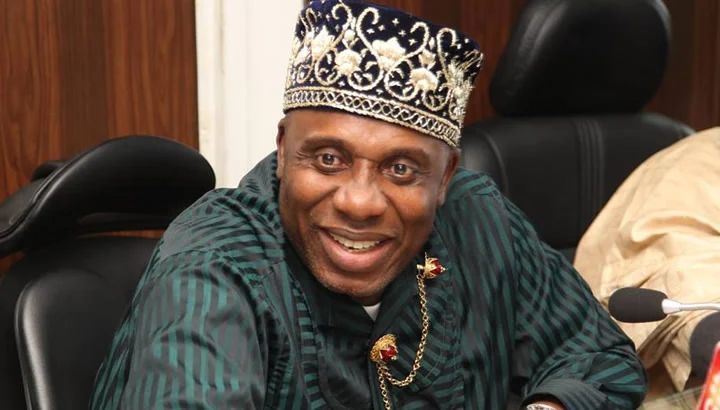
Amid growing political activity as Nigeria prepares for the 2027 general elections, former minister of transportation, Rotimi Amaechi has been thrust into the spotlight again - this time over an alleged endorsement by the South-South chapter of the African Democratic Congress (ADC). Reports that regional party leaders backed Amaechi as a “consensus presidential candidate” have triggered heated debate, conflicting narratives, and accusations over party process, internal democracy, and media accuracy.
The Initial Report: Endorsement Claims Ignite Debate
On Friday, February 27, 2026, a meeting of ADC South-South leaders was held in Benin City, Edo State, attended by respected party elders and stakeholders from across the region. At the event, Amaechi, a former Governor of Rivers State and once Minister of Transportation, formally informed regional leaders of his intention to seek the ADC presidential ticket for 2027. (Vanguard News)
Following the meeting, Vanguard reported that ADC leaders in the South-South zone endorsed Amaechi as their consensus candidate, allegedly giving him support ahead of rivals, including former Labour Party Presidential candidate Peter Obi.
In a video posted by Amaechi, former All Progressives Congress (APC) national chairman John Odigie‑Oyegun claimed that leaders unanimously resolved to support Amaechi’s presidential bid, applauding his respectful courtesy in informing his geopolitical base.
Immediate Pushback: Party Leadership Denies Endorsement
Almost as quickly as the endorsement narrative spread, senior ADC figures moved to refute it. The South-South ADC’s Zonal Publicity Secretary, Mabel Oboh, described reports of Amaechi’s endorsement as “misleading, undemocratic, and a troubling example of how selective narratives can distort political reality.” (Punch Newspapers)
Oboh clarified that the February 27 meeting was organized to strengthen internal cohesion, deepen grassroots mobilization, and position the party for future electoral contests - not to confer support on any aspirant. She emphasized that no motion was introduced, no vote taken, and no resolution passed to endorse Amaechi or any other candidate, stressing that consultation does not amount to endorsement. (Western Post)
This denial was reiterated in multiple statements by ADC South-South officials who warned against interpreting courtesy or protocol as a formal show of support. According to them, Amaechi’s presentation of his intention was a respectful notification to regional leaders - but not a binding political endorsement. (Independent Newspaper Nigeria)
Internal Division Within ADC Leadership
The conflicting narratives highlight a deeper division within the party’s regional leadership. While Usani Uguru Usani, the ADC National Vice Chairman (South-South), insisted that Amaechi received an overwhelming “Aye” response at the meeting, other senior figures immediately challenged that interpretation.
National Deputy Publicity Secretary Jackie Wayas went further, rejecting the idea that any endorsement took place and emphasizing the ADC’s commitment to constitutional procedures and internal democracy. She described any assertion of endorsement as undermining democratic processes within the party. (The Nation Newspaper)
Similarly, prominent intellectual and party figure Prof. Pat Utomi dismissed endorsement claims on social media, characterizing them as inaccurate and insisting that no discussion on the matter took place at the South-South meeting. (Nigerian News Today)
What Happened at the Meeting?
According to statements from party leaders who refute the endorsement narrative, the purpose of the meeting was consultative and procedural - not electoral. Amaechi was invited to brief party elders and stakeholders on his intention to contest the ADC presidential ticket. Party representatives from states including Akwa Ibom, Bayelsa, Cross River, Delta, Edo, and Rivers were present, but there was no formal motion or resolution taken in favour of any aspirant.
This interpretive divergence - whether applause at a consultation equates to a political endorsement - lies at the heart of the controversy. Those who claim support argue an affirmative response reflects consensus, while those opposing the view stress constitutional process must be followed before any formal backing can be declared.
Implications for Internal Party Democracy
The tug-of-war over the endorsement story underscores broader questions about internal party democracy in Nigeria. For parties like the ADC - which positions itself as an alternative to larger political giants, maintaining transparent, established procedures is critical to credibility.
Critics argue that informal declarations of support at zonal meetings can pre-empt actual primaries and marginalize members who have yet to be consulted. ADC officials who deny the endorsement have emphasized that nomination and election of candidates rest with recognized party organs and broader membership, not informal gatherings of leaders.
In a political environment where influential figures often command significant sway, the debate over whether an endorsement took place suggests tension between tradition, consultation, and formal party policy.
Media Responsibility and Political Reporting
Another dimension of this controversy is responsible journalism. Party leaders who deny the endorsement claim that media houses reported the story without thorough verification, potentially fueling misunderstandings and political tension. As one spokesperson noted, inaccurate reporting “can undermine democratic processes, fuel unnecessary tension within parties, and erode confidence in institutional procedures” - especially in a politically charged environment ahead of elections.
The episode thus highlights not just internal political divisions but also the need for rigorous media standards when covering delicate political processes.
Conclusion: Interpretation Versus Institutional Process
The conflicting statements over whether Rotimi Amaechi was endorsed by South-South ADC leaders reveal deeper questions about political process, internal democracy, and media ethics.
Amaechi’s declaration of intent to contest under the ADC and the manner in which that intent was received by regional leaders may have elements of support from some party officials. Yet the formal structures of nomination and endorsement remain contested and clearly defined by party constitutions.
At a time when Nigeria prepares for its next presidential election, how parties manage internal dynamics, uphold democratic values, and engage with public perception could influence not only their electoral fortunes but also the broader trajectory of democratic consolidation in the country.