INEC Reinstates David Mark-Led ADC Leadership After Supreme Court Ruling
INEC has reinstated David Mark as ADC chairman following a Supreme Court ruling. Explore the leadership crisis, legal implications, and political fallout ahead of the 2027 elections.
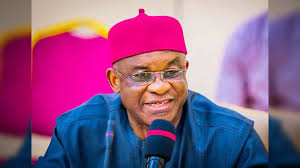
Nigeria’s electoral umpire, the Independent National Electoral Commission (INEC), has officially reinstated the leadership of the African Democratic Congress (ADC) led by former Senate President David Mark, following a decisive ruling by the Supreme Court of Nigeria.
The development marks a significant turning point in a months-long leadership crisis that has rocked one of Nigeria’s emerging opposition parties ahead of the 2027 general elections. While the reinstatement appears to offer temporary clarity, analysts warn that deeper legal and political battles remain unresolved.
What INEC Did and Why It Matters
INEC updated its official records and website to reflect David Mark as National Chairman of the ADC, alongside key members of the party’s National Working Committee, including Rauf Aregbesola as National Secretary. (Punch Newspapers)
This move effectively reverses an earlier decision by the electoral body to delist the Mark-led leadership after a Court of Appeal ruling had cast doubt on the legitimacy of the faction. (Arise News)
INEC’s recognition is critical because it determines which party executives are legally empowered to act on behalf of the party in electoral matters - candidate nominations, primaries, and official communications.
The Supreme Court Ruling Explained
The turning point came when the Supreme Court set aside an earlier “status quo ante bellum” order issued by the Court of Appeal.
In its judgment, the apex court ruled that the appellate court acted improperly by issuing preservative orders after dismissing the appeal before it. (Vanguard News)
The decision effectively removed the legal basis that had previously led INEC to withdraw recognition of the Mark-led leadership. (Channels Television)
However, the Supreme Court stopped short of delivering a final judgment on the substantive leadership dispute, instead directing parties back to the Federal High Court for a full hearing. (TheCable)
This nuance is crucial: the ruling restored procedural legitimacy but not necessarily permanent political victory.
Background: The ADC Leadership Crisis
The crisis within the ADC has its roots in competing claims to the party’s leadership between factions aligned with David Mark and other contenders, including Nafiu Bala.
At different points:
- The Court of Appeal ordered parties to maintain the status quo
- INEC withdrew recognition of the Mark-led leadership
- A Federal High Court barred INEC from recognizing certain congresses linked to the disputed leadership
- The Supreme Court intervened to nullify aspects of those rulings
The result has been a complex legal battle involving multiple courts, conflicting orders, and shifting institutional positions.
Immediate Political Fallout
The reinstatement has triggered mixed reactions across Nigeria’s political landscape.
1. Boost for ADC’s National Ambitions: For the ADC, development is a major relief. The party has positioned itself as a coalition platform for opposition forces ahead of the 2027 elections.
Having a recognized leadership allows it to be organizing party structures, conduct primaries, engage in coalition negotiations.
2. Renewed Internal Tensions: Despite the ruling, internal disputes remain unresolved. Some factions argue that the Supreme Court decision did not conclusively settle leadership ownership but only addressed procedural issues.
3. Pressure on INEC: INEC’s reversal underscores the delicate role it plays in party disputes. The commission must balance neutrality with compliance with court rulings, even when those rulings evolve rapidly.
Legal Implications: Not the End of the Case
One of the most important aspects of the Supreme Court decision is what it did not do.
While it restored the Mark-led leadership in practical terms, it also sent the case back to the Federal High Court for the determination of substantive issues.
This means:
- The leadership dispute is still legally active
- Further rulings could alter the current arrangement
- The possibility of fresh appeal remains
Legal experts say this creates a “temporary stability” rather than a permanent resolution.
Conflict With Earlier Court Orders
Interestingly, the reinstatement comes just days after a Federal High Court ruling that restrained INEC from recognizing congresses conducted by the Mark-led caretaker leadership.
That ruling emphasized that:
- Only elected state executive committees can conduct congresses
- Caretaker committees lack constitutional authority for such actions
This creates legal tension:
- The Supreme Court restored leadership recognition
- The High Court limited the powers of that leadership
Such overlapping decisions highlight the complexity of internal party disputes in Nigeria’s legal system.
Why This Matters for 2027 Elections
The timing of the ruling is significant.
With the 2027 general elections approaching, political parties are already positioning themselves. For the ADC, which has attracted interest from major political figures and coalitions, leadership stability is essential.
Without a clear and recognized leadership:
- Candidate selection could be challenged
- Party primaries could be invalidated
- Coalition negotiations could collapse
INEC’s recognition gives the Mark-led faction a strategic advantage - at least for now.
Broader Lessons from the Crisis
1. Courts Play a Central Role in Party Politics: The ADC crisis shows how internal party disputes increasingly rely on judicial intervention rather than internal resolution.
2. Legal Wins Can Be Temporary: Even Supreme Court rulings may not fully settle disputes if substantive issues remain unresolved.
3. Institutional Decisions Are Fluid: INEC’s shifting recognition highlights how regulatory actions can change rapidly in response to court judgments.
4. Internal Party Democracy Matters: Much of the dispute centers on whether party processes followed constitutional guidelines especially regarding leadership selection and congresses.
What Happens Next?
The immediate next step is the continuation of proceedings at the Federal High Court, where the core leadership dispute will be examined in detail.
Possible outcomes include final judicial affirmation of the Mark-led leadership, recognition of a rival faction, and court-ordered fresh congresses or conventions.
Each scenario carries significant implications for the ADC’s political future.
Final Analysis
INEC’s reinstatement of David Mark as ADC chairman, following the Supreme Court ruling, marks a major but incomplete turning point in the party’s leadership crisis.
It restores order at the surface level, allowing the party to function and prepare for upcoming political contests. But beneath that stability lies an unresolved legal battle that could reshape the party’s structure once again.
For now, the ADC has regained its footing. But whether that footing is firm or temporary will depend on what happens next in the courtroom.