India’s Fiercest Female Politician Mamata Banerjee Faces Fight for Survival
Mamata Banerjee faces a political survival battle after losing power in West Bengal. Here’s what it means for India’s opposition, democracy, and future elections.
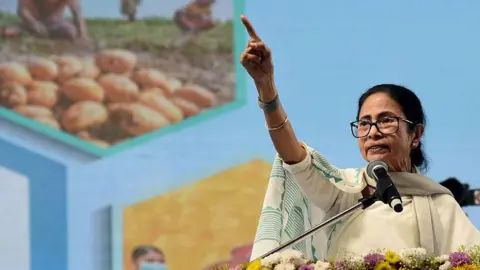
For over a decade, Mamata Banerjee has been one of India’s most formidable political figures, combative, resilient, and often described as the country’s fiercest female politician.
But in 2026, her political dominance has been shaken. After ruling West Bengal for 15 years, Banerjee and her party, the All India Trinamool Congress (TMC), have lost their grip on power, marking a dramatic turning point in Indian politics. (Wikipedia)
This moment is more than just an electoral setback; it represents a high-stakes fight for political survival and a shift that could reshape India’s opposition landscape.
What Happened in West Bengal?
The political earthquake occurred during the 2026 West Bengal state elections, where Banerjee sought a fourth consecutive term as Chief Minister.
Instead, her party suffered a major defeat, losing its legislative majority to the Bharatiya Janata Party (BJP). (Wikipedia)
This outcome ended one of the most dominant regional political reigns in modern India. Banerjee, who once rose to power by defeating the long-standing Left Front government in 2011, now finds herself on the opposite side of history, displaced by a new political force.
The loss is particularly significant because West Bengal had been one of the last major states resisting BJP expansion.
Why Mamata Banerjee Was Considered “Fierce”
Banerjee’s political reputation did not come by accident.
Known popularly as “Didi” (meaning “elder sister”), she built her career as a grassroots leader who challenged both the Congress establishment and later the BJP’s national dominance.
Her leadership style has been defined by:
- Street-level activism and mass mobilization
- Strong regional identity politics
- Open confrontation with national leadership, especially Narendra Modi
For years, she stood as one of the most prominent oppositions figures capable of challenging the BJP at a national level.
That is why her current political setback carries weight far beyond West Bengal.
What Led to Her Political Decline?
The fall of Banerjee’s political dominance is not attributed to a single factor but rather a combination of evolving dynamics.
1. Rise of the BJP in Bengal: The BJP has steadily expanded its influence in West Bengal, transforming itself from a marginal player into a dominant electoral force.
The 2026 election marked the culmination of years of groundwork, organizational strengthening, and targeted campaigning.
2. Anti-Incumbency Fatigue: After 15 years in power, voter fatigue became a major factor.
Long-term governments often face criticism over governance issues, economic concerns, and allegations of corruption challenges that Banerjee’s administration struggled to fully overcome.
3. Key Political Narratives: Issues such as law and order, women’s safety, and political violence became central to the election discourse.
High-profile cases and opposition campaigns helped shape public perception, weakening the TMC’s image.
4. Symbolic Opposition Candidates: The election also saw the rise of emotionally powerful candidates, including individuals entering politics after personal tragedies, which shifted voter sentiment and created a strong emotional counter-narrative.
A Personal and Political Crossroads
For Banerjee, this is not just a party defeat, it is a defining personal moment.
After decades of political struggle, including battles against both the Left and national parties, she now faces a rare position: rebuilding from opposition.
Historically, Banerjee has demonstrated resilience, having risen from political setbacks before. But the current situation is different.
This time, she is not fighting fragmented opposition but a highly organized national party with significant resources and momentum.
What It Means for Indian Politics
The implications of Banerjee’s political struggle extend far beyond West Bengal.
1. A Boost for BJP’s National Expansion: The BJP’s victory in West Bengal represents a major strategic breakthrough.
It strengthens the party’s presence in eastern India and reinforces its position as the dominant political force nationwide.
2. Weakening of Regional Opposition Leaders: Banerjee has long been seen as a potential leader of a united opposition front against the BJP.
Her electoral setback weakens that possibility and raises questions about who can now fill that role.
3. Fragmentation of Opposition Politics: India’s opposition has often struggled with unity.
With Banerjee weakened, the already fragmented opposition landscape may become even more divided making it harder to present a cohesive challenge in future national elections.
4. Shift in Voter Dynamics: The election signals changing voter preferences.
It suggests that regional loyalty is no longer guaranteed, national narratives are gaining influence in state elections, and voters are increasingly open to political change.
The Road Ahead for Mamata Banerjee
Despite the setback, Banerjee is far from politically irrelevant.
She still retains a strong grassroots support base, significant influence within her party, and national recognition as a seasoned political leader.
Her next steps will be critical.
She may rebuild her party structure, reposition herself as a national opposition voice, and focus on regaining lost ground in future state elections.
The coming years will determine whether this defeat marks the end of her dominance or the beginning of a political comeback.
Lessons from the Political Shift
Banerjee’s situation offers broader lessons about modern politics:
- No political dominance is permanent
- Voter expectations evolve rapidly
- Strong opposition requires unity and adaptability
It also highlights how quickly political fortunes can change even for the most established leaders.
Conclusion: A Defining Moment in Indian Democracy
The political battle facing Mamata Banerjee is more than a personal struggle, it reflects shifting power dynamics in India.
Her fall from dominance in West Bengal marks the end of an era and the beginning of a new phase in Indian politics.
Whether she can reinvent herself and stage a comeback remains uncertain. But one thing is clear:
This moment will shape not only her legacy but also the future of opposition politics in India.