How to Improve Sperm Health and Male Fertility: Evidence-Based Lifestyle Tips for Better Reproductive Health
Learn how to improve sperm health and male fertility through better nutrition, exercise, healthy weight, sleep, stress management and avoiding factors that damage sperm quality.
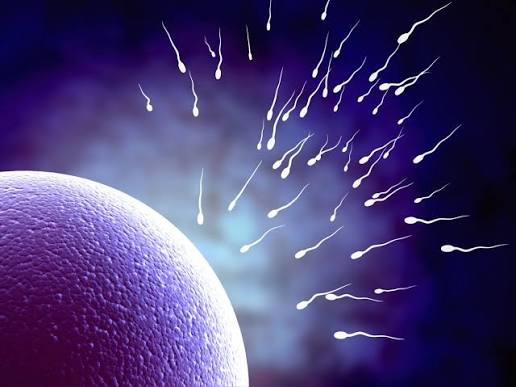
Sperm health is an important part of male reproductive health and can significantly influence a couple's ability to conceive. While fertility problems can have many medical causes, several everyday lifestyle choices can affect sperm count, movement and overall quality.
For men hoping to father a child, improving reproductive health is not usually about a single food, supplement or sexual technique. Instead, evidence points toward a combination of healthy habits, avoiding harmful exposures and seeking medical evaluation when pregnancy does not occur as expected.
According to the Mayo Clinic, the main measures of sperm health include sperm quantity, motility (movement) and morphology (shape). (Mayo Clinic)
1. Eat a balanced, nutrient-rich diet: A healthy diet provides the nutrients needed for normal hormone production and sperm development.
Men trying to improve fertility should emphasise vegetables, fruits, whole grains, beans, nuts, seeds, fish and other sources of lean protein. A diet containing a wide range of nutrients is generally preferable to relying on a single so-called fertility food.
Foods rich in antioxidants and healthy fats may also form part of a balanced fertility-supportive diet. However, men should be cautious about claims that foods or supplements can dramatically increase sperm counts.
Good nutrition should be viewed as part of overall health rather than quick treatment for infertility.
2. Maintain a healthy weight: Body weight can influence male reproductive health.
Research cited by the Mayo Clinic indicates that increased body mass index can be associated with lower sperm count and reduced sperm movement. Obesity may also affect hormones involved in sperm production. (Mayo Clinic)
Men who are overweight may benefit from gradual, sustainable weight loss through healthier eating and regular physical activity.
The goal should not be extreme dieting. A balanced diet combined with regular exercise is generally a safer approach to improving overall metabolic and reproductive health.
3. Exercise regularly: Regular physical activity supports cardiovascular health, helps maintain a healthy weight and may contribute to better sperm quality.
Men trying to conceive should aim for regular moderate exercise rather than suddenly undertaking extreme training programmes.
Walking, jogging, cycling, swimming, strength training and other forms of physical activity can be incorporated into a healthy routine.
Exercise can also help reduce stress, another factor that may affect sexual function and reproductive health.
4. Stop smoking: Smoking is one of the lifestyle factors associated with poorer sperm quality.
Evidence cited by NHS fertility services indicates that smoking can negatively affect sperm concentration and motility. (UHB NHS)
Tobacco smoke exposes the body to numerous chemicals that can contribute to oxidative stress and other biological changes.
Men attempting to conceive should therefore consider quitting smoking rather than simply reducing the number of cigarettes smoked.
Those who find quitting difficult can seek assistance from a doctor or smoking-cessation service.
5. Limit alcohol: Heavy or chronic alcohol consumption can negatively affect male reproductive health.
According to the NHS, reducing alcohol intake is among the lifestyle measures that may help men with low sperm counts. (nhs.uk)
Heavy drinking can affect testosterone and sperm production, while excessive alcohol use can also contribute to other health problems that indirectly affect fertility.
Men trying to conceive should therefore avoid heavy drinking and discuss their alcohol consumption with a healthcare professional if fertility is a concern.
6. Avoid recreational drugs and anabolic steroids: Recreational drugs can interfere with reproductive health.
Anabolic steroids are particularly important because some men use them to increase muscle size and athletic performance without realising that they can suppress the body's natural hormone production and reduce sperm production.
The Mayo Clinic identifies anabolic steroids, cocaine and other illicit substances among factors that can negatively affect sperm quantity or quality.
Men taking any recreational or performance-enhancing drugs should discuss the potential reproductive consequences with a qualified healthcare professional.
7. Avoid excessive heat around the testicles: Sperm production works best at a temperature slightly below normal body temperature.
Excessive heat around the testicles can interfere with sperm production and movement. Potential sources include frequent hot baths, saunas, Jacuzzis and prolonged exposure to high temperatures.
The NHS also notes an association between increased scrotal temperature and reduced semen quality, although evidence about whether loose underwear alone improves fertility is less certain.
Men concerned about fertility can minimise unnecessary prolonged heat exposure.
This is particularly relevant for people whose jobs involve working in very hot environments.
8. Get enough sleep and manage stress: Sleep and mental wellbeing are also important components of reproductive health.
Chronic stress may interfere with sexual function and can affect hormones involved in sperm production. The Mayo Clinic recommends managing stress as part of maintaining healthy sperm.
Regular sleep, physical activity, relaxation techniques and maintaining a manageable work-life routine can all contribute to better general health.
There is no single required stress-management technique. Meditation, walking, breathing exercises, hobbies and spending time with family or friends may help different people.
9. Protect yourself from infections and toxic chemicals: Some sexually transmitted infections, particularly chlamydia and gonorrhea, can contribute to male infertility.
Practising safer sex and getting tested when appropriate can help identify infections before they cause complications.
Occupational exposure to pesticides, solvents, lead and other toxic chemicals can also affect sperm production. Men who work with potentially hazardous substances should follow workplace safety procedures and use appropriate protective equipment.
10. Review medications with a doctor: Some medicines can affect fertility.
However, men should never stop prescribed medication on their own simply because they are trying to conceive.
Instead, discuss all prescription medicines, over-the-counter drugs, supplements and herbal products with a healthcare professional. A doctor can determine whether a medication could affect sperm production and whether a safe alternative is available.
The Mayo Clinic specifically recommends discussing potentially fertility-affecting medicines with a healthcare professional.
Timing sexual activity can improve the chances of conception
Improving sperm health is only one part of achieving pregnancy.
Timing sexual intercourse around ovulation can increase the chance of conception. Sperm can survive in the female reproductive tract for several days, meaning intercourse in the days leading up to ovulation can be particularly important.
The Mayo Clinic advises having sex regularly during the fertile window, while the NHS recommends intercourse every two to three days when trying to conceive.
Men should also be cautious about ordinary lubricants when trying to conceive because some products may impair sperm movement. Sperm-friendly lubricants can be considered if lubrication is necessary.
Be patient: sperm production takes time
Lifestyle changes do not produce instant results.
Sperm development takes roughly 70 days, meaning improvements in diet, exercise, smoking habits or heat exposure may take several weeks or months before they are reflected in semen quality. An NHS fertility resource notes that sperm takes about 70 days to develop. (Manchester NHS Foundation Trust)
This means consistency is more important than short-term changes.
When should a man seek medical help?
Lifestyle changes can support fertility, but they cannot correct every underlying cause of infertility.
A semen analysis can assess sperm concentration, movement and morphology. If an initial result is abnormal, the NHS says a repeat test is commonly performed around three months later because sperm production takes time.
Couples should consider medical evaluation if pregnancy has not occurred after 12 months of regular unprotected sex, or sooner when there are known fertility concerns or other reasons to seek assessment.
Medical evaluation can identify conditions such as hormonal problems, infections, testicular disorders or other causes that may require specific treatment.
Conclusion
Improving sperm health is largely about protecting overall health.
Eating a balanced diet, maintaining a healthy weight, exercising regularly, getting adequate sleep, managing stress, avoiding smoking and recreational drugs, limiting heavy alcohol consumption and reducing unnecessary heat exposure can all support male reproductive health.
However, fertility is complex, and healthy lifestyle choices do not guarantee pregnancy.
For men experiencing persistent fertility problems, professional medical assessment is essential. A semen analysis and appropriate evaluation can determine whether there is a specific problem requiring treatment.
Ultimately, the most effective approach is not a miracle food or supplement, but a consistent, healthy lifestyle combined with timely medical care when necessary.