How to Cope with Hay Fever Misery
Hay fever can cause sneezing, itchy eyes, and congestion. Learn proven ways to cope with hay fever symptoms, reduce pollen exposure, and manage allergies effectively for lasting relief.
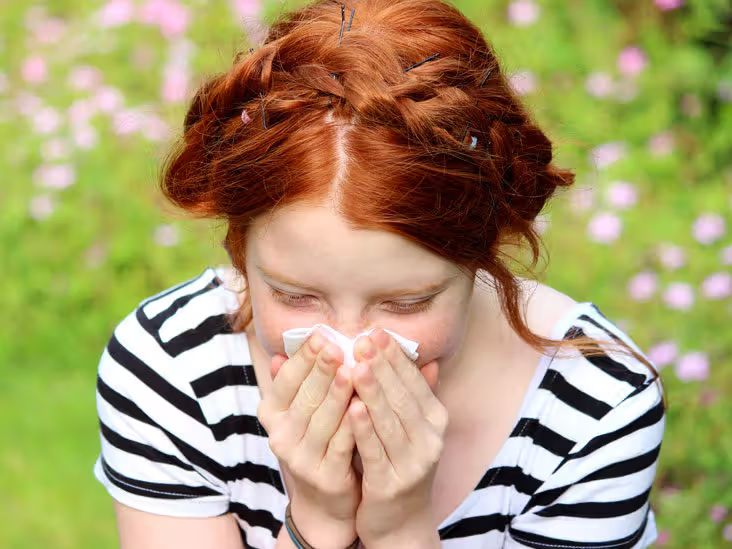
Hay fever, also known as allergic rhinitis, is one of the most common seasonal allergies affecting millions of people worldwide. Triggered by pollen from trees, grasses, and weeds, it can turn everyday life into a cycle of sneezing fits, itchy eyes, runny noses, and fatigue.
While hay fever is not life-threatening, it can significantly affect sleep, productivity, and overall well-being. The good news is that with the right strategies, symptoms can be managed effectively, allowing sufferers to enjoy the outdoors without constant discomfort.
This guide explores practical, medically supported ways to cope with hay fever misery and reduce its impact on daily life.
Understanding Hay Fever and Its Triggers
Hay fever occurs when the immune system overreacts to airborne allergens such as pollen. When these particles enter the body, the immune system releases histamine, causing inflammation and allergy symptoms.
Common triggers include:
- Tree pollen (spring)
- Grass pollen (late spring to summer)
- Weed pollen (late summer to autumn)
- Mold spores
Symptoms typically include:
- Sneezing
- Runny or blocked nose
- Itchy, watery eyes
- Coughing or throat irritation
- Fatigue and poor concentration
Understanding your specific triggers is the first step toward effective management.
1. Monitor Pollen Levels Daily: One of the most effective ways to cope with hay fever is to stay informed about pollen counts in your area.
On high pollen days, limit outdoor activities, especially in the morning, keep windows closed at home and in the car, and avoid drying clothes outside.
Many weather apps and health websites provide daily pollen forecasts, helping you plan your day around peak exposure times.
2. Reduce Exposure to Pollen: Minimizing contact with allergens can dramatically reduce symptoms.
Practical steps include: shower and change clothes after being outdoors, wash hair regularly to remove pollen particles, wear sunglasses to protect eyes, and apply a thin layer of petroleum jelly around the nostrils to trap pollen.
If you exercise outdoors, try doing so in the evening when pollen levels are usually lower.
3. Keep Indoor Spaces Allergen-Free: Your home should be a safe zone for pollen exposure.
To improve indoor air quality: use air purifiers with HEPA filters, vacuum regularly using a HEPA-filter vacuum cleaner, dust surfaces with damp cloths instead of dry dusting, and keep windows closed during high pollen seasons.
If possible, avoid bringing outdoor clothing into bedrooms, as pollen can easily spread indoors.
4. Use Antihistamines for Symptom Relief: Antihistamines are commonly used to relieve hay fever symptoms by blocking the effects of histamine.
They can help reduce sneezing, runny nose, and itchy eyes
These medications are available over the counter in most pharmacies, but it is important to follow dosage instructions or consult a healthcare professional before use.
5. Nasal Sprays and Eye Drops: For more targeted relief, nasal sprays and eye drops can be highly effective.
Nasal sprays: Steroid-based nasal sprays help reduce inflammation in the nasal passages, easing congestion and pressure.
Eye drops: Antihistamine eye drops can relieve redness, itching, and watering caused by pollen exposure.
These treatments often work best when used consistently during allergy season.
6. Natural Remedies and Home Support: While not a replacement for medication, some natural approaches may help reduce symptoms.
These include saline nasal rinses to flush out allergens, drinking plenty of water to thin mucus, herbal teas such as peppermint or chamomile for soothing effects, and local honey (though scientific evidence is limited).
Maintaining good hydration and rest also supports the immune system.
7. Adjust Your Outdoor Routine: Timing your outdoor activities can make a big difference.
Pollen levels are usually highest in the early morning and evening, lower after rain, and lower in urban areas compared to grassy fields.
Try to go outside after rainfall, avoid windy days when pollen spread more easily, and plan errands during midday when levels may be lower.
8. Wear Protective Clothing: Simple clothing choices can help reduce exposure.
Consider wearing hats to prevent pollen from settling in hair, long sleeves when outdoors during peak season, and lightweight masks in high pollen environments.
These small adjustments can significantly reduce allergen contact.
9. Strengthen Your Immune System: A healthy immune system can help your body cope better with allergens.
Helpful habits include eating a balanced diet rich in fruits and vegetables, getting regular exercise (indoors during high pollen days), ensuring adequate sleep, and managing stress through relaxation techniques.
While these steps won’t cure hay fever, they can reduce overall symptom severity.
10. Seek Medical Advice for Severe Symptoms: If hay fever significantly affects your quality of life, medical treatment may be necessary.
A doctor may recommend stronger prescription antihistamines, combination nasal sprays, and allergy immunotherapy (allergy shots or tablets).
Immunotherapy works by gradually desensitizing the immune system to allergens over time, offering long-term relief for some sufferers.
Living With Hay Fever: Practical Coping Tips
Beyond treatment, small lifestyle changes can make daily life more manageable:
- Keep tissues and antihistamines on hand
- Plan travel routes that avoid grassy or heavily wooded areas
- Use smartphone alerts for pollen warnings
- Keep car air conditioning in recirculation mode
Being prepared helps reduce the impact of unexpected flare-ups.
When to Expect Relief
Hay fever symptoms typically follow seasonal patterns, but duration varies depending on location and pollen types.
In some regions, symptoms may last:
- Spring: Tree pollen season
- Summer: Grass pollen season
- Autumn: Weed pollen season
For some people, symptoms can persist for months, making consistent management essential.