How Pop Icon, Rihanna Built Two Massive Companies
Rihanna has made history as the first Black woman to lead two billion-dollar brands — Fenty Beauty and Savage X Fenty. This article examines the business strategies, comeback journey, and market implications of her entrepreneurial empire.
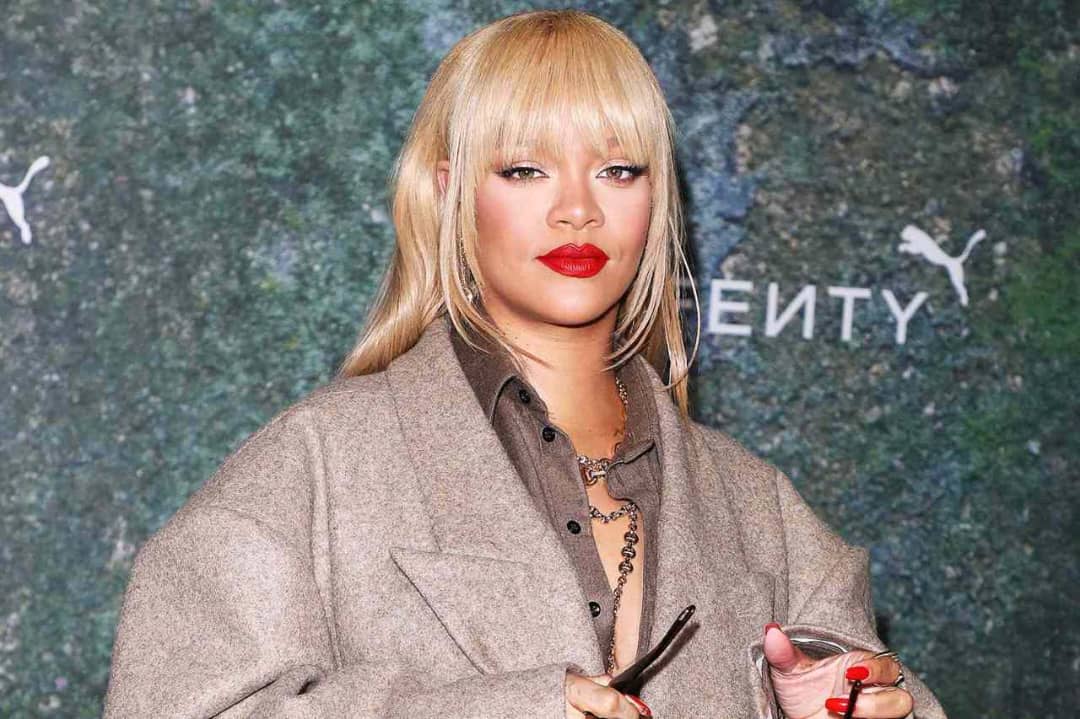
When Barbadian singer-turned-entrepreneur Rihanna (born Robyn Rihanna Fenty) launched into business full force, few expected the magnitude of what would follow. Today, she stands not only as a global pop icon but as a bona fide business mogul. In a remarkable feat, Rihanna has become the first Black woman to lead two separate companies each valued in the billions of dollars — her beauty brand Fenty Beauty and her lingerie and apparel brand Savage X Fenty. The combined enterprise is now valued at more than $3 billion. (Instagram)
This achievement represents a turning point-not just in her personal career but in how celebrity-led ventures can shape entire industries. Rihanna’s journey from chart-topping artist to inclusive-beauty pioneer and global fashion disruptor is a masterclass in reinvention, resilience and market disruption.
From Music to Business Titan
Rihanna first rose to stardom in the mid-2000s with hits like “Umbrella”, “We Found Love,” and “Diamonds.” Her music career alone made her one of the highest-earning female artists in the world. (Wikipedia)
But she didn’t stop at music. In 2017 she launched Fenty Beauty, a cosmetics line under the umbrella of luxury conglomerate LVMH (via its Kendo subsidiary). Fenty Beauty launched with an unprecedented “40-shade foundation” offering, which immediately forced the wider makeup industry to broaden its inclusivity. (Wikipedia)
Just one year later, Savage X Fenty debuted in 2018, offering lingerie, sleepwear and loungewear with an unapologetically diverse model lineup and size-inclusive form. (Wikipedia)
Business Breakthroughs & Valuations
Fenty Beauty’s impact was rapid. Reports show it generated $573 million in sales within the first 15 months. (Wikipedia) The brand’s valuation is often cited at around $2.8 billion, with Rihanna owning approximately 50 %. (Investopedia)
Meanwhile, Savage X Fenty has been estimated to have a valuation in excess of $1 billion, driven by subscriptions, brand collaborations, runway spectacles and global reach. (thestack.world)
Combined, even conservative estimates place her two brands’ value well over $3 billion - solidifying her status as a business heavyweight in both beauty and fashion.
Rebounding from a Dip
Prior to this surge, Rihanna’s net worth had experienced pressure - with sales slowdowns and market headwinds. Some media outlets cited her net worth as dipping to around $1 billion in early 2025. (MoneyWeek)
Her comeback has been anchored in two strategic shifts:
1. Inclusivity as brand strategy - Fenty’s early entry into underserved skin-tone segments and Savage X Fenty’s inclusive representation tapped unmet demand globally.
2. Business over celebrity - Rihanna shifted from endorsement to ownership. She is not merely a face; she is a part-owner and decision maker in the brands. (thestack.world)
Industry Disruption & Market Implications
Beauty industry: Before Fenty, many makeup brands offered limited shade ranges. The launch forced competitors to expand. Fenty also changed marketing - using social media virality, influencer partnerships and direct-to-consumer models.
Fashion and underwear industry: Savage X Fenty challenged legacy brands by erasing size-boundaries and featuring gender-diverse marketing. The annual Savage X Fenty shows became cultural events, combining inclusivity with spectacle.
This dual-brand model reveals how a celebrity can leverage cultural influence into market power - changing assumption after assumption about consumer demand and market gaps.
Why This Moment Matters
1. Representation: Rihanna becomes the first Black woman to helm multiple billion-dollar companies - a milestone in gender and racial equity in global business.
2. Celebrity to CEO: She exemplifies a shift where musicians and artists transition into serious business operators and majority owners rather than paid endorsers.
3. Legacy building: Her brand ecosystem stands to outlive her music, creating long-term enterprise value and generational wealth.
What Comes Next? Challenges & Opportunities
Opportunity:
Expansion into skincare (Fenty Skin), fragrance, wellness-cross-category growth.
Emerging markets: Africa, Southeast Asia offer large opportunistic expansion.
Technology: Direct-to-consumer platforms, subscription models, and experiential retail continue to evolve.
Challenges:
Valuations require sustained growth. Consumer fashion and beauty are fickle.
Global supply-chain disruption, inflation and regulatory pressure in key markets.
Brand extension risk: losing core identity in pursuit of scale.
Competitive imitation: major beauty houses now mimic inclusivity strategies.
A Broader Conversation: Business Lessons
1. Solve real problems: Fenty’s inclusive shade range directly addressed underserved consumers - finding a genuine gap instead of superficial branding.
2. Ownership matters: Rihanna’s shift to ownership (rather than licensing deals alone) means she participates in upside, not just royalties.
3. Cultural authenticity: Her Barbadian roots and visible voice in brand direction give the ventures credibility beyond celebrity.
4. Reinvention: At a time when many stars struggle to transition out of music, Rihanna leveraged her platform into business - and kept evolving.
Conclusion
Rihanna’s ascent from hit-maker to billionaire entrepreneur is not just a personal triumph - it signals a transformation in how celebrities, culture and commerce intersect. She didn’t simply lend her name to brands; she helped build them, steer them and place them atop billion-dollar valuations.
For aspiring entrepreneurs - especially women and people of colour - her journey offers a blueprint: recognise market gaps, cultivate authenticity, claim ownership and stay agile.
And for the beauty and fashion industries, Rihanna’s dual-brand success is a warning: consumer expectations are shifting. Inclusivity is no longer optional, representation matters, and culture-driven brands can outpace traditional incumbents.
In a world with rapid change, Rihanna is living proof that with vision, grit and strategy, barriers can be broken and legacies built.