Hong Kong Court Jails Media Tycoon and British Citizen Jimmy Lai for 20 Years
Hong Kong’s High Court has sentenced pro-democracy media tycoon and British citizen Jimmy Lai to 20 years in prison under the National Security Law. This article explores the conviction, charges, international reactions, press freedom concerns, and broader implications.
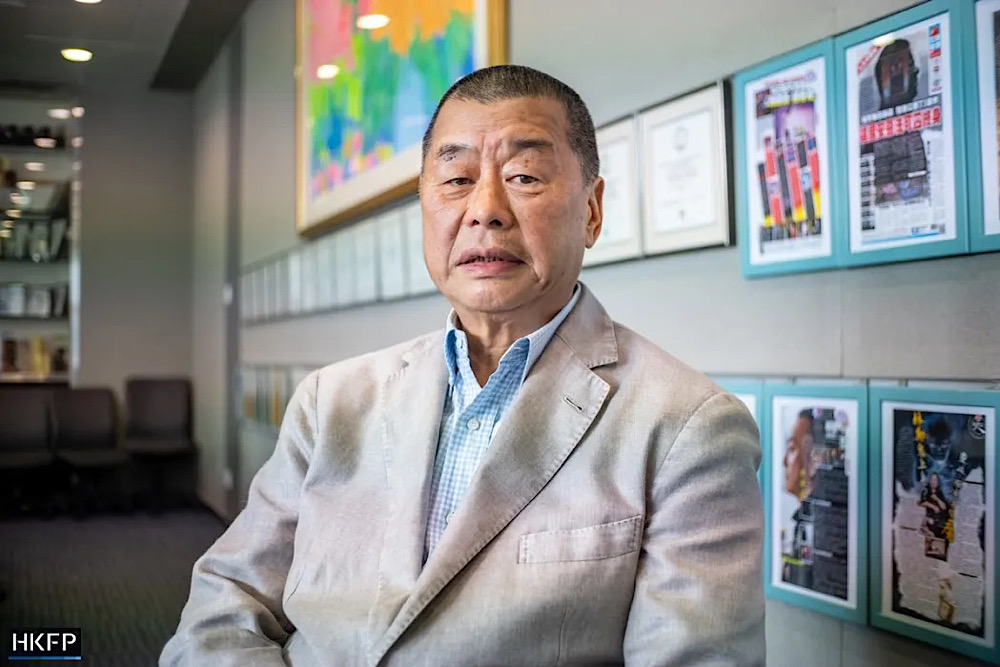
In a development that has reverberated around the world, a High Court in Hong Kong sentenced media mogul and pro-democracy figure Jimmy Lai to 20 years in prison on 9 February 2026 after his conviction under the city’s National Security Law (NSL). The ruling - one of the most severe yet under the controversial security legislation - has sparked fierce debate over the future of civil liberties, press freedom, and judicial independence in Hong Kong. (Gulf News)
Who Is Jimmy Lai?
Jimmy Lai Chee-ying is a 78-year-old British and Hong Kong citizen best known as the founder of the once-influential pro-democracy newspaper Apple Daily. The tabloid became a leading voice for Hong Kong’s democratic movement and was known for its often-scathing coverage of Beijing and the Hong Kong government. Lai’s outspoken criticism of the Chinese Communist Party made him a central figure in the city’s pro-democracy scene, particularly during the mass protests of 2019. (Wikipedia)
Apple Daily was forced to shut down in June 2021 after police raids and asset freezes under the national security law - a major blow to independent media in the city.
The Charges and Conviction
Lai was convicted in December 2025 on three counts under Hong Kong’s National Security Law: two counts of conspiracy to collude with foreign forces, and one count of conspiracy to publish seditious materials.
Prosecutors alleged that Lai and others plotted to solicit foreign sanctions and hostile actions against Hong Kong and China, including through Apple Daily’s reporting and communications with foreign contacts.
During the trial, which began in December 2023 and spanned more than 150 days, the court heard evidence claiming that Lai encouraged foreign governments and organizations to impose sanctions and other measures detrimental to national security. Critics argue that such charges have a broad interpretation and could encompass legitimate journalistic practices.
The 20-Year Sentence
On 9 February 2026, the High Court sentenced Lai to 20 years in prison, within the harshest penalty range provided under the law. Judges stated that the sentence reflected the “serious and grave criminal conduct” attributed to his actions.
Notably, two years of the sentence will overlap with a previous prison term Lai is serving for unrelated offences, meaning he must serve an additional 18 years beyond his existing incarceration. (eNCA)
While the sentence stops short of life imprisonment - which is permitted under the NSL - it nonetheless raises the likelihood that Lai will spend the remainder of his life in prison, given his age and existing health challenges.
Global Reactions and Press Freedom Concerns
The sentence has drawn widespread international criticism, especially from Western governments and press freedom organizations. Human rights advocates and legal scholars have described the ruling as a stark signal of shrinking civil liberties in Hong Kong.
Human Rights Watch called the sentence “effectively a death sentence,” given Lai’s age and health conditions.
Western leaders have also voiced concerns. British Prime Minister Keir Starmer raised the issue during discussions with Chinese President Xi Jinping, and other diplomats have criticized the verdict as politically motivated and detrimental to freedom of expression. (Al Jazeera)
Rights groups, including Reporters Without Borders and the Committee to Protect Journalists, view the ruling as a watershed moment indicating the erosion of press freedom in Hong Kong, a city once touted as a bastion of liberties under the “one country, two systems” framework. (Committee to Protect Journalists)
Hong Kong and Beijing Defend the Verdict
Hong Kong and Beijing authorities have defended the sentence, insisting it was handed down according to legal processes and necessary to safeguard “national security.” Official statements have framed the ruling as appropriate within the scope of the law, dismissing foreign criticism as interference in China’s internal affairs. (AP News)
Beijing officials also assert that Lai’s British nationality does not exempt him from Hong Kong’s legal system, arguing that he holds dual citizenship and has been subject to local jurisdiction since his arrest.
Broader Implications
Lai’s sentencing marks a dramatic culmination of years of legal pressure on pro-democracy figures in Hong Kong. His case - one of the most prominent under the NSL - underscores the law’s expansive reach. Critics argue that the law’s application to journalistic and political activity sets a precarious precedent for free expression, civil society, and academic freedom in the region.
Hong Kong’s press freedom rankings have plummeted in recent years. According to assessments by media watchdogs, the city now ranks far below where it stood in the early 2000s, reflecting diminishing space for independent journalism. (Kyuk)
The case also highlights tensions between international human rights norms and domestic security policies. Lai’s British citizenship adds a diplomatic dimension, with calls from foreign governments for his release and assurances of legal safeguards.
Legacy of Apple Daily and Lai’s Activism
Jimmy Lai’s career extended beyond media entrepreneurship; he was a prominent supporter of democratic reform and civil liberties in Hong Kong. His newspaper, Apple Daily, became synonymous with critical reporting that challenged both local and mainland Chinese authorities. The closure of the publication in 2021 marked a symbolic end of an era for Hong Kong’s independent press.
Despite his imprisonment, Lai has continued to receive support from activists and rights groups worldwide, who view him as a symbol of resistance against the curtailment of freedoms that once defined Hong Kong’s unique status.
Conclusion
The 20-year sentence for Jimmy Lai reflects a pivotal moment in Hong Kong’s political and legal landscape. The case encapsulates broader concerns over the balance between national security and individual rights - particularly freedoms of expression and the press. While Beijing and Hong Kong authorities assert the sentence is lawful and warranted, international critics argue it signifies a deepening clampdown on dissent. As the world watches, Lai’s fate may continue to shape discourse on civil liberties not only in Hong Kong but across jurisdictions navigating similar challenges.