Homeland Security Taps $20 Million in Taxpayer Funds for Pro-Trump Ads
The U.S. Department of Homeland Security has committed $20 million for television ads featuring President Donald Trump, prompting bipartisan criticism and legal questions.
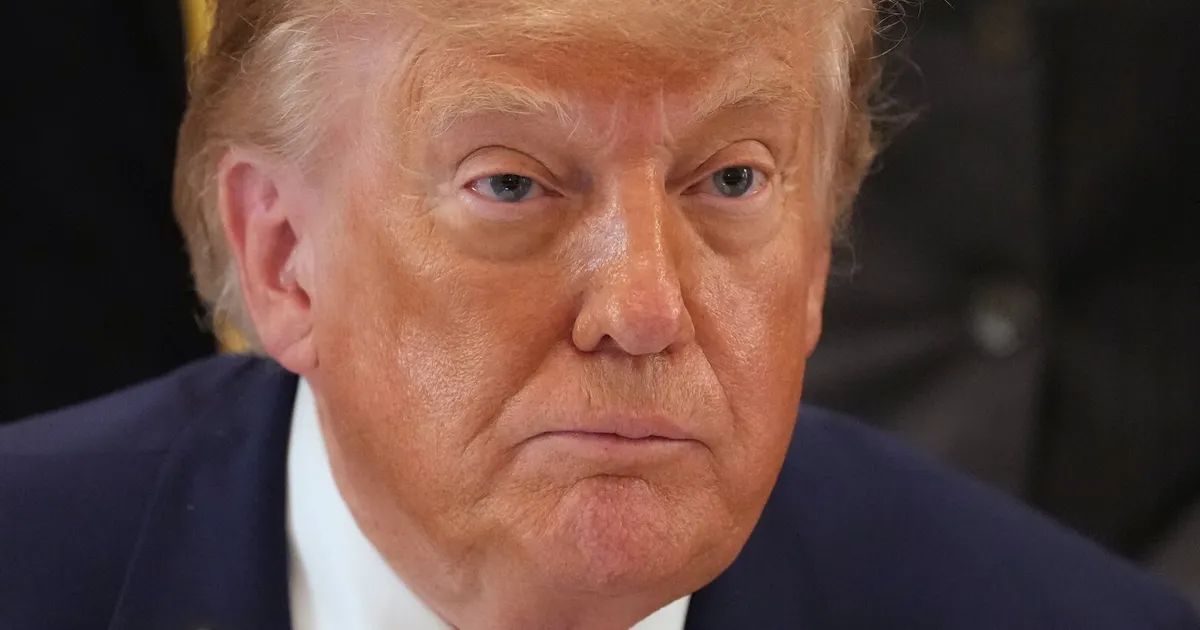
The U.S. Department of Homeland Security (DHS) has committed $20 million in federal funds toward a national advertising campaign featuring President Donald Trump, triggering criticism from lawmakers across the political spectrum and questions over whether taxpayer money is being used for political messaging.
The campaign has featured television advertisements portraying Trump and highlighting themes associated with his presidency, including opposition to communism and praise for his economic and national-security record. The ads carry the disclaimer, “Paid for by the U.S. Government.” (AP News)
The spending comes just weeks before the 2026 U.S. midterm elections, adding to scrutiny over the government's decision to use federal resources for advertisements that critics say resemble campaign material.
How the $20 Million Was Allocated
According to federal contracting information reviewed by news organisations, $20 million was moved into a U.S. Customs and Border Protection (CBP) account on September 19 for purposes described as involving commemorative events.
The following day, a $20 million contract was awarded to LMD Agency Inc., a Maryland-based advertising company, for a “National Media Campaign.” The contract was followed by the appearance of the Trump-focused advertisements on television.
CBP is an agency within DHS responsible for border security and customs operations.
The funds reportedly originated from money made available through President Trump's 2025 spending legislation, commonly known as the “One Big Beautiful Bill.” The legislation included billions of dollars for border security and related activities, including money for commemorating border-security efforts and events. (ABC News)
Ads Feature Trump and His Political Themes
At least three advertisements have aired nationally.
One spot features Trump discussing his opposition to communism while presenting claims about tax cuts, American manufacturing and law enforcement.
Another uses images of Mount Rushmore and footage from Trump's speech celebrating the United States' 250th anniversary.
A third advertisement has attracted particular attention because it closely resembles material from Trump's 2024 presidential campaign. The ads have appeared during high-profile television programming, including college football and NFL broadcasts. (Roll Call)
Advertising-tracking company AdImpact estimated that more than $2.5 million had already been spent on the three advertisements during their first week of broadcast, although the eventual spending could be higher depending on how broadcasters classify the advertisements. (Axios)
White House Defends the Campaign
The White House has rejected the characterization of the advertisements as campaign material.
Administration officials have described them as public-service announcements intended to encourage patriotism and remind Americans about what the administration considers important national values.
A White House spokesperson told ABC News that the advertisements were educational and patriotic and argued that Americans should be proud of their country.
The administration has also pointed to advertising campaigns conducted by previous Republican and Democratic administrations as examples of government-funded public-service announcements.
The White House maintains that the current advertisements differ from political campaign advertisements because Trump is not currently on a ballot and the spots do not contain an explicit call for voters to support him. (Los Angeles Times)
Democrats Demand Answers
Democratic lawmakers have strongly challenged the administration's explanation.
Senators Patty Murray and Chris Murphy sent a letter to Homeland Security Secretary Markwayne Mullin demanding details about the source and use of the money.
They asked DHS to disclose exactly how much taxpayer money has been used, whether additional advertisements are planned, which contractors were involved and whether White House or Office of Management and Budget officials directed the campaign. They also asked whether federal legal and ethics officials reviewed the advertisements before they aired. (Senate Appropriations Committee)
Other Democratic lawmakers have similarly questioned why money allocated to CBP was used for advertisements that they argue are unrelated to conventional public-service messaging.
Republican Criticism Also Emerges
The controversy has not been limited to Democrats.
Several Republican lawmakers have expressed reservations about using taxpayer money for advertisements featuring Trump.
Senate Majority Leader John Thune said the advertisements should not be paid for with taxpayer funds, while Senator Mike Rounds said the campaign was not something he would have done.
The criticism has consequently created a rare bipartisan dispute over the government's use of public funds for political-style communications.
Legal Questions Over Government Advertising
The advertisements have also raised questions about federal restrictions on government-funded political activity.
Legal experts cited by Reuters and other news organisations have questioned whether the campaign could conflict with laws restricting the use of appropriated funds for political propaganda or partisan activity. (Reuters)
However, the legal status of the advertisements has not been finally determined. The administration maintains that they constitute public-service announcements rather than campaign advertising.
The distinction is significant because federal agencies routinely purchase advertising for public information campaigns. The controversy centres on whether these particular advertisements serve a legitimate governmental information purpose or instead function primarily as political messaging.
Midterm Election Timing Adds Scrutiny
The timing has intensified the controversy.
The advertisements began appearing only weeks before the 2026 U.S. midterm elections, when control of Congress is being contested.
Reuters reported that the spots were already drawing bipartisan criticism because of their political tone and the decision to broadcast them during major television events.
Trump's political operation and allied groups also have substantial private campaign resources available for political advertising, making the use of government funds particularly contentious among critics.
What Happens Next?
The immediate issue is whether DHS will provide Congress with detailed information about the spending and contracting arrangements.
Lawmakers are seeking documentation concerning the transfer of funds, the advertising contract, the decision-making process and any legal or ethics review that took place.
Meanwhile, reports indicate that additional advertisements could be released, meaning scrutiny of the campaign is likely to continue.
The dispute ultimately raises a broader question about the boundaries between government public-service communication and political messaging.
For the Trump administration, the advertisements are being presented as patriotic public-service announcements. Critics, including lawmakers from both parties, argue that their content and timing make them resemble political campaign material.
Until federal authorities or relevant oversight bodies make further determinations, the legal status of the campaign remains contested. What is established is that $20 million in federal funds was committed to the national media campaign, while more than $2.5 million had already been spent on the advertisements tracked during their first week.