Historic Victory as Russia Wins First Paralympic Gold in 12 Years
Russia secures its first Paralympic gold medal in 12 years at the 2026 Winter Paralympics in Milan-Cortina. Here’s how the victory happened, the athletes behind it, and why the moment is politically significant.
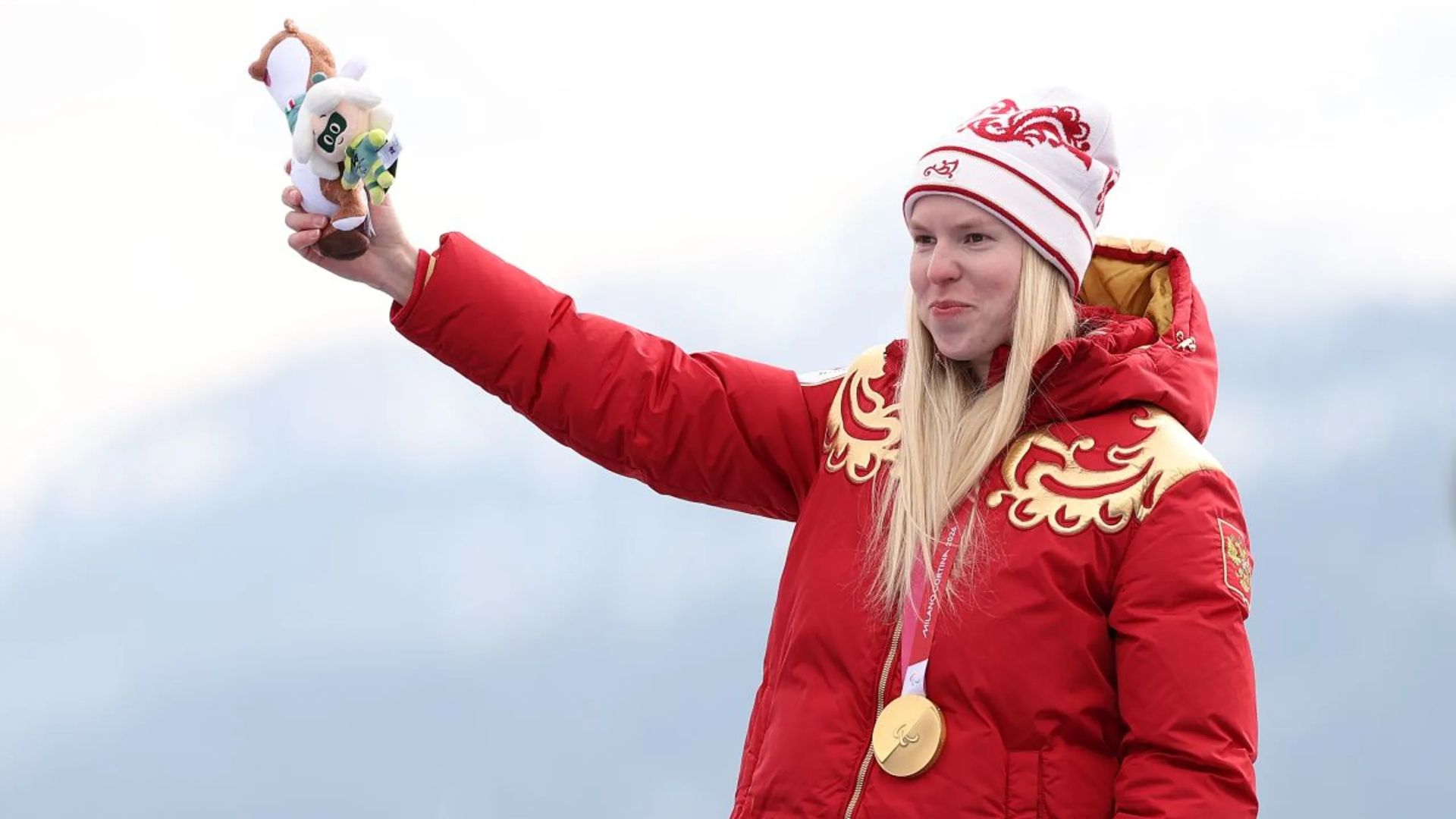
Russia has marked a significant milestone at the 2026 Winter Paralympics in Milan-Cortina, securing its first Paralympic gold medal in more than a decade. The victory represents not only an athletic achievement but also a symbolic return to the international sporting stage after years of bans, controversies, and geopolitical tensions.
The gold medal wins by Russian para-alpine skier Varvara Voronchikhina ended a 12-year drought and highlighted Russia’s complicated relationship with international sport. It also reignited debate about the participation of Russian athletes in global competitions during ongoing political conflicts.
The Historic Gold Medal
The breakthrough came when Varvara Voronchikhina, a 23-year-old para-alpine skier, claimed gold in the women’s super-G standing event at the 2026 Winter Paralympics in Cortina d’Ampezzo, Italy. (The Peninsula Newspaper)
Voronchikhina had already made headlines earlier in the competition by winning bronze in the women’s downhill standing event, which was Russia’s first Paralympic medal since the 2014 Sochi Winter Paralympics. (ABC News).
Her gold-medal performance was decisive. She finished nearly two seconds ahead of French competitor Aurélie Richard, delivering a commanding run on the Olympia delle Tofane course. The victory ensured that the Russian national anthem was played at the Paralympics for the first time in more than a decade, marking a symbolic moment for Russian sport. (The Times of India)
Ending a Long Medal Drought
Russia’s Paralympic drought was the result of multiple sanctions and suspensions that prevented the country from competing normally in international sports events.
Russia last won medals under its own flag at the 2014 Winter Paralympics in Sochi. After that, the country faced major restrictions:
- In 2016, Russia was banned from the Paralympic Games due to a state-sponsored doping scandal.
- In 2022, Russian athletes were again suspended following the country’s invasion of Ukraine. (Sky Sports)
During several competitions, Russian athletes were either banned entirely or forced to compete as neutral participants without national symbols.
As a result, Russia’s presence at the Paralympics remained limited for years. The 2026 Winter Paralympics therefore represented a major moment for the country’s athletes.
Russia’s Limited Participation in 2026
Even with the return to competition, Russia’s participation in the 2026 Games was small and carefully controlled.
Only six Russian athletes were allowed to compete, mainly in skiing and snowboarding disciplines. (Yardbarker)
Their participation came after a vote by the International Paralympic Committee (IPC), which allowed Russia to compete again under its national flag at the Games. (Reuters)
However, the decision sparked controversy among several countries, particularly those supporting Ukraine, which criticized the inclusion of Russian athletes amid ongoing geopolitical tensions.
Some delegations even considered symbolic protests or boycotts of certain events during the Games.
Early Medals Set the Stage
Before the gold medal victory, Russia had already broken its medal drought when two athletes secured bronze medals in alpine skiing.
Voronchikhina won bronze in the women’s downhill standing event, while fellow Russian skier Aleksei Bugaev claimed bronze in the men’s downhill standing competition. These podium finishes marked Russia’s first Paralympic medals since 2014 and signaled that the country’s athletes remained competitive despite years of limited participation. The medals also returned the Russian flag to the Paralympic podium after a long absence.
A Personal Triumph for Voronchikhina
For Voronchikhina, the victory was deeply personal. She had previously missed the opportunity to compete in the 2022 Beijing Winter Paralympics after Russian athletes were suspended following the invasion of Ukraine. That disappointment became motivation for her training and preparation for the 2026 Games. After her bronze medal earlier in the competition, she expressed hope that she could improve her performance in later events-and she ultimately delivered with her gold-winning run. The achievement has already positioned her as one of the standout athletes of the 2026 Paralympics.
Political Reactions and Controversy
The return of Russian athletes to the Paralympics has not been universally welcomed. Ukraine and several allied nations criticized the decision to allow Russia to compete under its national flag. The ongoing war in Ukraine has made Russia’s participation in international sporting events a sensitive political issue.
Ukrainian officials and athletes have repeatedly argued that allowing Russia back into global competitions undermines efforts to isolate the country diplomatically.
Meanwhile, the International Paralympic Committee has defended its decision, saying it was based on a democratic vote by its member organizations.
IPC officials have emphasized that the Paralympic movement aims to remain politically neutral while supporting athletes with disabilities.
The Symbolism of Victory
For Russia, the gold medal carries significant symbolic value. The playing of the Russian anthem during the medal ceremony signaled a return to international recognition after years of sanctions and sporting isolation. It also highlighted the resilience of Russian Paralympic athletes who continued training and competing despite restrictions. In many ways, the medal represents more than just a sporting achievement-it reflects Russia’s attempt to reclaim its presence in global sports competitions.
What Comes Next for Russian Paralympic Sport
Russia’s return to the Paralympic podium may influence future decisions about the country’s participation in international sporting events.
Several questions remain unresolved:
- Will Russian athletes be allowed to compete normally in future Olympic and Paralympic Games?
- Will geopolitical tensions continue to affect international sports policies?
- And will Russian athletes face renewed restrictions if conflicts escalate?
For now, Russia’s first Paralympic gold in 12 years stands as a powerful moment in the 2026 Winter Paralympics.
It demonstrates the determination of athletes like Varvara Voronchikhina—and highlights how sport can become intertwined with politics, diplomacy, and national identity.