Henry Nwosu: Death, Life and Legacy of Nigeria’s 1980 AFCON Hero
Former Super Eagles midfielder Henry Nwosu has died at 62. Explore his life, football career, achievements, and enduring ties to Nigerian football after his role in the historic 1980 AFCON victory.
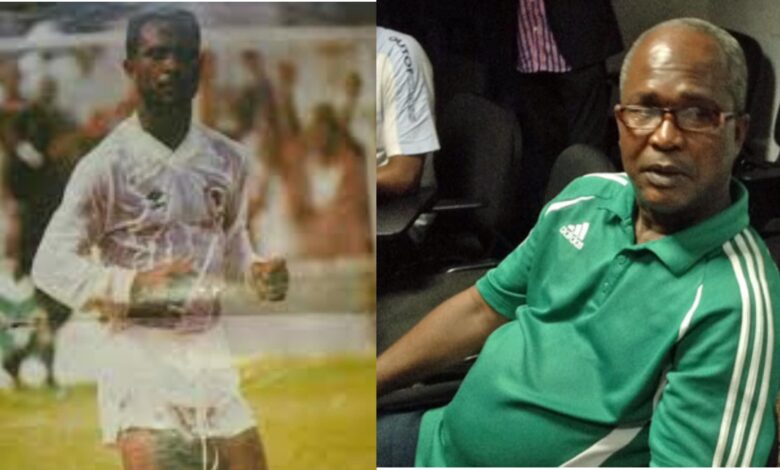
Nigeria’s football community has been thrown into mourning following the death of former Super Eagles midfielder Henry Nwosu, one of the key figures in the country’s historic triumph at the 1980 Africa Cup of Nations.
The former Nigerian international passed away in the early hours of March 14, 2026, at the age of 62 after spending several days in intensive care at the Lagos State University Teaching Hospital in Ikeja, Lagos. His death was confirmed by former teammate Segun Odegbami, who described the loss as a painful moment for Nigerian football. (Premium Times Nigeria)
Nwosu’s passing marks the end of an era for Nigerian football, as he was one of the stars of the legendary Green Eagles team that secured Nigeria’s first continental football title.
The Death of a Nigerian Football Icon
According to reports, Nwosu had been battling illness and had spent five days in intensive care before he died at about 4:00 a.m. on Saturday. (Punch Newspapers)
His death triggered an outpouring of tributes from the Nigerian football community, government officials, and fans who remembered him as one of the country’s most talented midfielders.
Lagos State Governor Babajide Sanwo-Olu described Nwosu’s passing as an “irreparable loss to Nigeria,” praising his role in helping the country win its first African title. (PM News Nigeria)
The Nigeria Football Federation also paid tribute, noting that Nwosu’s contributions to the national team would remain an important part of the country’s football history.
Early Life and Background
Henry Onyemanze Nwosu was born on June 14, 1963, in Nigeria. Though associated strongly with Lagos, he traced his roots to Imo State, where his family originated. (Eteteonline)
He grew up during a period when football was rapidly becoming the most popular sport in Nigeria. From an early age, Nwosu displayed exceptional technical skill and creativity on the ball, qualities that later defined his playing career.
His football journey began in local clubs before he rose to prominence in the Nigerian domestic league.
Rise to National Stardom
Nwosu’s breakthrough came when he was selected to represent Nigeria’s national team - then known as the Green Eagles - in the late 1970s.
His biggest moment arrived during the 1980 Africa Cup of Nations, hosted in Nigeria.
At just 17 years old, Nwosu became the youngest member of the squad that went on to win the tournament, securing Nigeria’s first-ever continental football title.
The victory remains one of the most iconic moments in Nigerian sports history, with the Green Eagles defeating Algeria 3 - 0 in the final in Lagos.
Nwosu’s creativity and vision in midfield played a crucial role in the team’s performance throughout the tournament.
International Career
Over the course of his international career, Nwosu became one of Nigeria’s most respected midfielders. He represented Nigeria in several major tournaments, including:
- The 1980 African Cup of Nations (champions)
- The 1982 African Cup of Nations
- The 1984 African Cup of Nations (runner-up)
- The 1988 African Cup of Nations (runner-up)
He also represented Nigeria at the 1980 Olympic Games, where he scored the country’s only goal during the tournament. (Wikipedia)
Nwosu earned dozens of caps for the national team and remained part of Nigeria’s football setup until the early 1990s.
Club Career
At the club level, Nwosu spent most of his career playing in Nigeria’s domestic league.
He featured for several prominent clubs, including New Nigeria Bank F.C., Stationery Stores F.C.
These clubs were among the powerhouses of Nigerian football during the 1980s and helped develop many national team players.
Known for his skillful dribbling, intelligent passing, and leadership qualities, Nwosu became one of the standout midfielders in the Nigerian league.
Coaching and Mentorship
After retiring from professional football in the early 1990s, Nwosu remained closely connected to the sport.
He transitioned into coaching and technical roles, contributing to Nigerian football development.
He served as an assistant coach in the Nigerian national team setup and worked with the Olympic team that won silver at the 2008 Beijing Olympics.
Nwosu also coached several domestic clubs, including Gateway United, where he helped develop young players and promote grassroots football.
Health Struggles in Later Years
In the later stages of his life, Nwosu struggled with health issues.
Reports in recent years indicated that the former football star suffered from serious medical conditions and had appealed for support to fund treatment. (Thisdaylive)
His illness became widely known within Nigeria’s football community, prompting calls for assistance and recognition of his contributions to the country’s sporting history.
Legacy and Impact on Nigerian Football
Henry Nwosu’s legacy goes far beyond his achievements on the field.
He represented a generation of footballers who helped build Nigeria’s reputation as one of Africa’s football powerhouses. His role in the 1980 AFCON victory remains one of the most celebrated moments in Nigerian sports.
For many fans, Nwosu symbolized the creativity, flair, and passion that defined Nigerian football in the 1980s.
Even after retirement, he remained committed to mentoring young players and contributing to the development of sport.
A Nation Pays Tribute
Following news of his death, tributes poured in from former teammates, football administrators, and fans across the country.
Many remembered Nwosu not only as a talented footballer but also as a humble figure who dedicated his life to the game.
As Nigeria reflects on the life of one of its football pioneers, Henry Nwosu’s contributions to the national team and domestic football will remain etched in the history of the sport.
His name will forever be associated with the triumph of 1980, a victory that changed Nigerian football forever.