Hegseth Freezes Hiring of Tenured Civilian Faculty at U.S. Military Academies
Defense Secretary Pete Hegseth has ordered U.S. military academies to stop appointing civilians to tenured faculty positions, saying the move will refocus education on warfighting.
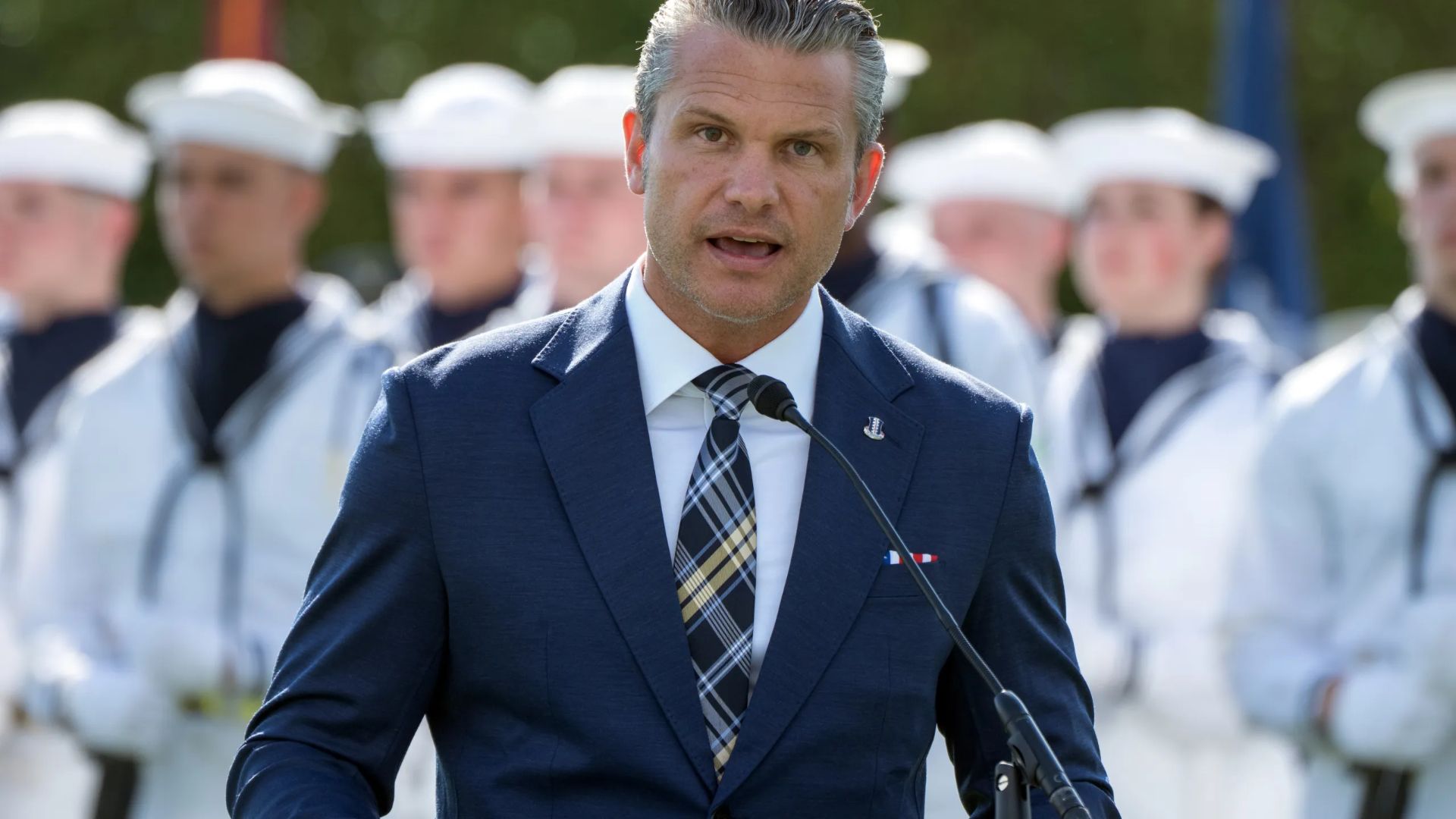
U.S. Defense Secretary Pete Hegseth has ordered the country’s military service academies to stop appointing civilian professors to tenured faculty positions, marking a significant change in how the institutions recruit and retain academic staff.
Hegseth signed the directive on September 29, 2026, instructing the military departments to immediately cease appointing civilians to tenured faculty positions at the U.S. Military Academy at West Point, U.S. Naval Academy and U.S. Air Force Academy.
The Pentagon said the policy is intended to refocus military education on preparing future officers for the demands of military service and warfare. Hegseth's memorandum argues that tenure can contribute to academic stagnation and allow educational priorities to move away from the military mission.
Hegseth's Argument for Ending New Tenure Appointments
In the memorandum, Hegseth said the primary purpose of the military academies is to prepare future officers to lead the armed forces.
He argued that the institutions must remain focused on what he described as their “warfighting mission”, and that existing academic structures should be reconsidered if they interfere with that objective.
The secretary specifically criticised tenure, saying it can contribute to academic stagnation, faculty complacency and institutional difficulty adapting to changing requirements. He also argued that tenure can encourage curricula to drift toward the research interests of academics rather than the needs of military education.
The directive does not, however, eliminate tenure for civilian professors who already have it. The Associated Press reported that existing tenured faculty members will retain their tenure under the policy.
Which Academies Are Affected?
The directive applies to the three major U.S. military service academies: West Point in New York, the Naval Academy in Annapolis, Maryland, and the Air Force Academy in Colorado Springs, Colorado.
The Coast Guard Academy and U.S. Merchant Marine Academy are not directly covered by the Pentagon directive because they fall under other federal departments rather than the Defense Department.
Civilian faculty make up a significant part of the academic workforce at the service academies.
At West Point, approximately 27% of faculty members are civilians, according to information cited by Stars and Stripes. The Naval Academy has 284 civilian faculty members, including 217 who are tenured and 67 on the tenure track. Estimates indicate that civilians also make up roughly 30% of the Air Force Academy's faculty.
Why Civilian Professors Matter
Military academies have traditionally combined military training with a broad university-style education.
Civilian professors teach subjects that include the humanities, social sciences, English, science and other academic disciplines. Supporters of civilian faculty argue that scholars who spend their careers outside the military can provide students with perspectives and expertise that complement instruction from military officers.
The issue has been debated for decades.
Congress took action in 1992 to encourage the military academies and senior military colleges to expand their civilian academic faculties. Academy leaders have subsequently told lawmakers that civilian tenure helps attract and retain highly qualified professors who might otherwise choose civilian universities.
During a Senate hearing, former West Point Superintendent Lt. Gen. Steven Gilland said tenure helped the academy recruit and retain talented faculty. Former Naval Academy Superintendent Vice Adm. Yvette Davids similarly described tenure as an important recruiting tool.
Concerns About Academic Freedom
The policy has prompted concern from academic organisations and some professors who argue that tenure provides an important layer of protection for academic freedom.
Tenure generally makes it more difficult to dismiss a professor without established cause or extraordinary institutional circumstances. Supporters say that protection allows academics to research and discuss controversial subjects without fear that their employment could be threatened because of their conclusions or opinions.
The American Association of University Professors criticised the directive, saying that eliminating new tenure appointments could make it harder for military academies to recruit scholars and could increase pressure on professors.
The debate is particularly relevant at military academies because their students are future military officers who may eventually make decisions involving national security and military operations.
Critics of the policy argue that broad academic exposure and the ability to examine competing ideas can be valuable components of military leadership education.
The Policy Follows Earlier Changes
The decision is part of a wider effort by Hegseth to reshape military education.
A draft memorandum reported by CBS News in July proposed eliminating civilian tenure and conducting a comprehensive review of curricula at service academies and senior military colleges. That proposal would have required courses to be evaluated according to whether they directly contributed to tactical, operational and strategic combat leadership.
The Pentagon has also taken steps affecting military education partnerships with civilian universities and has reviewed academic programmes and policies at military institutions.
Hegseth has repeatedly argued that military education should be closely aligned with the operational requirements of the armed forces.
Existing Tenured Faculty Can Remain
One important distinction in the new policy is that it concerns new appointments, rather than automatically removing existing tenured professors.
The directive therefore creates a different employment structure for future civilian faculty. New civilian professors will not receive tenure, while those who already hold tenure are not stripped of that status by the memorandum.
The military departments are expected to develop hiring plans that prioritise institutional flexibility and the contribution of faculty to the military mission.
The memorandum does not specify a detailed implementation timetable for those plans.
Legal and Institutional Questions
The decision comes amid continuing disputes over academic freedom at military institutions.
West Point professor Tim Bakken previously challenged restrictions on faculty speech and publication. A federal judge issued an injunction preventing the academy from enforcing certain restrictions on his public expression and communication with students.
Another legal dispute involves West Point climate scientist Adam Kalkstein, who sued the academy after his teaching position was eliminated. His lawsuit alleges that his treatment was connected to disagreements over teaching about human contributions to climate change. Those allegations remain subject to the legal process.
These cases illustrate why the new policy is likely to generate continued discussion about the balance between military command authority, academic independence and the educational mission of the service academies.
A Shift in Military Education
Hegseth's decision represents a significant shift in the employment structure of civilian faculty at America's three principal military academies.
The administration presents the policy as a way to ensure that military education remains focused on preparing officers for warfare and national defence. Academic organisations and some educators, meanwhile, argue that civilian expertise, tenure and intellectual independence contribute to the quality of officer education.
For now, the policy leaves existing tenured professors in place while ending the appointment of new civilian faculty to tenured positions.
How the academies implement the new hiring system and whether it affects their ability to attract specialised academic talent will become clearer as the military departments develop their respective plans.