Harry and Meghan’s Australia Visit Sparks Debate Over Blending Charity with Business
Prince Harry and Meghan Markle’s 2026 Australia visit mixes charity work with high-priced events, sparking debate over whether philanthropy and profit should intersect.
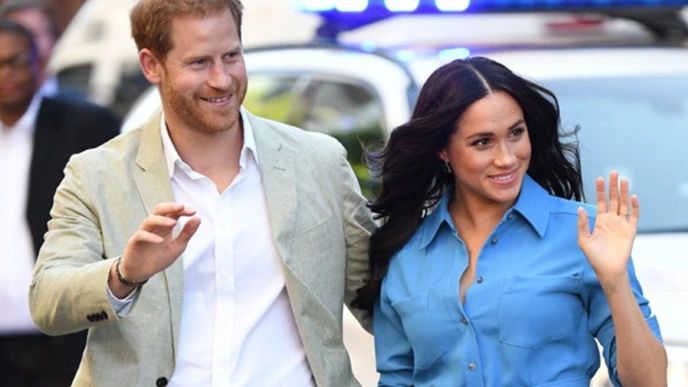
When Prince Harry and Meghan Markle arrived in Australia in April 2026, the optics were familiar: hospital visits, community outreach, and warm interactions with vulnerable groups. But behind the scenes, a different narrative has emerged, one that blends philanthropy with profit and is now fueling a growing global debate.
Their four-day trip, their first to Australia since stepping back from royal duties in 2020, reflects a new phase of their public life, one where charity and business increasingly coexist.
A Tour Rooted in Humanitarian Engagement
The couple began their visit at Melbourne’s Royal Children’s Hospital, where they met young patients, joined therapy sessions, and interacted with families.
They also visited a women’s shelter supporting victims of domestic violence and homelessness and engaged with veterans through arts and rehabilitation programs. (ABC News)
These moments echoed the humanitarian style once associated with the late Princess Diana - hands-on, empathetic, and media-visible. For many observers, these engagements reinforced the couple’s continued commitment to social causes such as mental health, community resilience, and veteran welfare. (ITVX)
Yet, unlike their 2018 royal tour, this visit is not funded or structured by the monarchy. Instead, it is privately organized, reflecting their post-royal identity.
The Commercial Dimension: High-Priced Access
Alongside charitable engagements, the couple’s itinerary includes a series of commercial events with steep price tags.
Prince Harry is scheduled to speak at a leadership and mental health summit, with tickets reportedly costing hundreds to over a thousand dollars depending on access levels. (ITVX)
Meanwhile, Meghan is headlining an exclusive wellness retreat in Sydney featuring yoga, discussions, and networking experiences, with tickets reaching thousands of dollars per attendee. (Vanguard News)
These events are not incidentally they are central components of the trip. Critics argue they transform what appears to be a humanitarian tour into a hybrid model of philanthropy and personal branding.
“Brand Sussex”: A New Operating Model
Since leaving royal duties, Harry and Meghan have built a global platform through Archewell - a structure that combines charitable initiatives with media production and business ventures. (Wikipedia)
Their Australia visit appears to reflect this model in action.
On one hand, they are supporting causes aligned with their foundation’s mission. On the other hand, they are leveraging their global profile to generate revenue through speaking engagements, exclusive experiences, and partnerships.
Supporters argue this approach is both modern and necessary. Without public funding from the monarchy, the couple must sustain their operations independently, and high-profile events are a logical extension of their influence.
Critics, however, see a blurring of lines.
Public Backlash and Ethical Questions
The strongest criticism has centered on the perceived mixing of charity with profit.
Some Australian politicians and commentators have questioned whether it is appropriate for individuals to engage in charitable visits while simultaneously charging high fees for related appearances. (Vanguard News)
Others have raised concerns about public resources, particularly security. Despite the trip being privately funded, local authorities have reportedly been involved in ensuring safety, prompting debates about the taxpayer burden. (VG)
Public sentiment has been divided. While many Australians welcomed the couple warmly during their hospital and community visits, others viewed the tour as a “faux royal” exercise designed to promote their personal brand. (AP News)
An online petition opposing public support for the visit reportedly gathered tens of thousands of signatures, reflecting the scale of the backlash. (ITVX)
A Changing Definition of Royal Influence
At the heart of the debate is a deeper question: what does it mean to be a public figure after stepping away from official royal duties?
Harry and Meghan no longer represent the British monarchy, yet they continue to command global attention and influence. Their ability to draw crowds, media coverage, and high-paying audiences is rooted in their former royal status.
This creates a unique dynamic.
Unlike traditional celebrities, their public image is tied to a legacy of service and duty. When that image intersects with commercial ventures, it challenges long-standing expectations about the separation between charity and personal gain.
Supporters Defend a “Modern Philanthropy” Model
Despite criticism, the couple’s supporters argue that the backlash is outdated.
In today’s world, many public figures, ranging from entrepreneurs to influencers, combine advocacy with monetization. From paid speaking engagements to branded partnerships, the lines between purpose and profit are increasingly fluid.
For Harry and Meghan, the argument goes, their platform allows them to amplify important causes while sustaining their independence.
Their visit to Australia, supporters say, should be judged by its impact: raising awareness for mental health, supporting vulnerable communities, and engaging with local organizations.
The Optics Problem
Even so, perception remains a powerful force.
Images of the couple hugging sick children or serving meals at shelters sit alongside reports of luxury retreats and expensive conference tickets. This contrast has created what some analysts describe as an “optics problem.”
The challenge is not necessarily what they are doing - but how it is perceived.
In an era of economic uncertainty and rising inequality, high-priced access to public figures, especially those associated with humanitarian work, can appear tone-deaf to some audiences.
Conclusion: A Delicate Balancing Act
Prince Harry and Meghan’s Australia visit encapsulates the complexities of their post-royal life.
They are no longer bound by the constraints of monarchy, yet they remain shaped by its expectations. Their attempt to blend charity with business reflects a broader shift in how influence is wielded in the modern world.
But as the backlash shows, this hybrid model is far from universally accepted.
The success of their approach may ultimately depend on one key factor: whether the public sees their work as genuine service or as a carefully curated extension of “Brand Sussex.”
For now, the debate continues both in Australia and across the global stage.