Guinea-Bissau Coup: General Horta Inta A Na Man Sworn In as Transitional President
General Horta Inta-A Na Man has been sworn in as Guinea-Bissau’s transitional president after a military coup deposed President Umaro Sissoco Embaló, prompting international condemnation and raising questions about the future of the country’s electoral process.
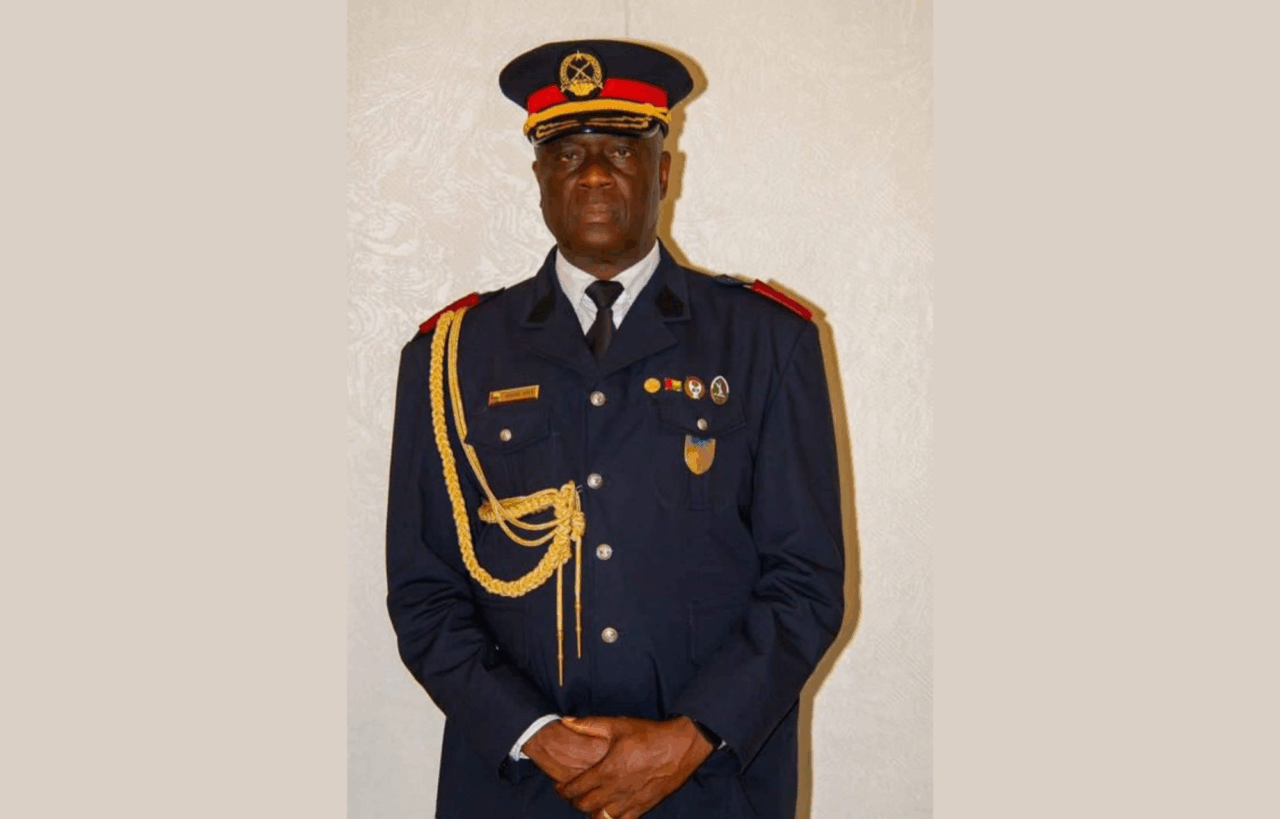
On Thursday, November 27, 2025, the military in Guinea-Bissau formally installed General Horta Inta-A Na Man as transitional president - a day after a coup that deposed incumbent President Umaro Sissoco Embaló. (France 24)
In a solemn ceremony at the military headquarters in Bissau, General Horta Inta-A Na Man took an oath of office, declaring: “I have just been sworn in to lead the High Command.” (Al Jazeera)
As the former army chief of staff, Horta Inta-A Na Man was already a central figure in the country’s military hierarchy; he is now to lead a one-year transitional government under the banner of the newly formed junta, the High Military Command for the Restoration of National Security and Public Order. (Wikipedia)
Coup erupted amid contested election and gunfire
The takeover by the military came just days after national elections. Political tensions peaked when both leading candidates - Embaló and his challenger Fernando Dias - each declared victory, with provisional results due to be published imminently. (Reuters)
On Wednesday, soldiers appeared on state television announcing they had “total control” of the country. They suspended the electoral process, shut borders, imposed an overnight curfew, and deployed heavily-armed troops across the capital, Bissau. (AP News)
Gunfire was reportedly heard near the presidential palace, the national electoral commission’s headquarters and interior ministry before the takeover - a clear sign of escalating violence and uncertainty.
What the new leader says: “Order must be restored”
During his oath-taking, Horta Inta-A Na Man emphasized the need for immediate and “urgent” action, asserting that the military intervention was justified by evidence of threats to national stability and that all citizens must participate in restoring order.
His message signals that the military intends to hold a firm grip over governmental functions - at least during this one-year transitional period. Many fear this could stall or derail the return to democratic rule.
International outcry: Democracy under threat
The coup was met with swift condemnation from regional and international bodies. The African Union (AU) Commission chairperson condemned the overthrow of a democratically elected government and demanded the “immediate and unconditional release” of Embaló and all detained officials.
Similarly, the Economic Community of West African States (ECOWAS) Election Observation Mission - which had monitored the recent vote - categorised the coup as a blatant disruption of the electoral process, calling for respect for democratic norms. - Premium Times
Several countries, including regional neighbours, have expressed concern that the coup could destabilize the entire West African region.
Streets quiet, the economy paused - Bissau under military watch
On Thursday, the streets of Bissau remained eerily quiet. Soldiers patrolled key areas, many citizens stayed indoors, and businesses and banks remained shut - despite the lifting of the overnight curfew.
The military’s deployment and its control over the capital send a strong signal: authority has shifted - at least for now - from civilian government to the barracks.
What’s next - uncertain democratic future
With the transition period slated for one year under military rule, the future of Guinea-Bissau’s democracy is now uncertain. What had been a closely contested election now lies in limbo, and it is unclear whether official results will ever be released.
Opposition leaders and supporters of democratic governance may face an uphill battle; the new regime has yet to outline a roadmap back to civilian rule.
For many Guineans - and observers across Africa - all eyes are now on how the military junta will govern, whether political freedoms will be respected, and if there will be a real effort to restore constitutional order.