Guardiola Turns Down Italy Manager Job as Spanish Coach Chooses Family Time Over Azzurri Challenge
Pep Guardiola has rejected the opportunity to become Italy’s national team manager after talks with the Italian Football Federation. The former Manchester City boss reportedly wants time away from football after a decade of elite-level management.
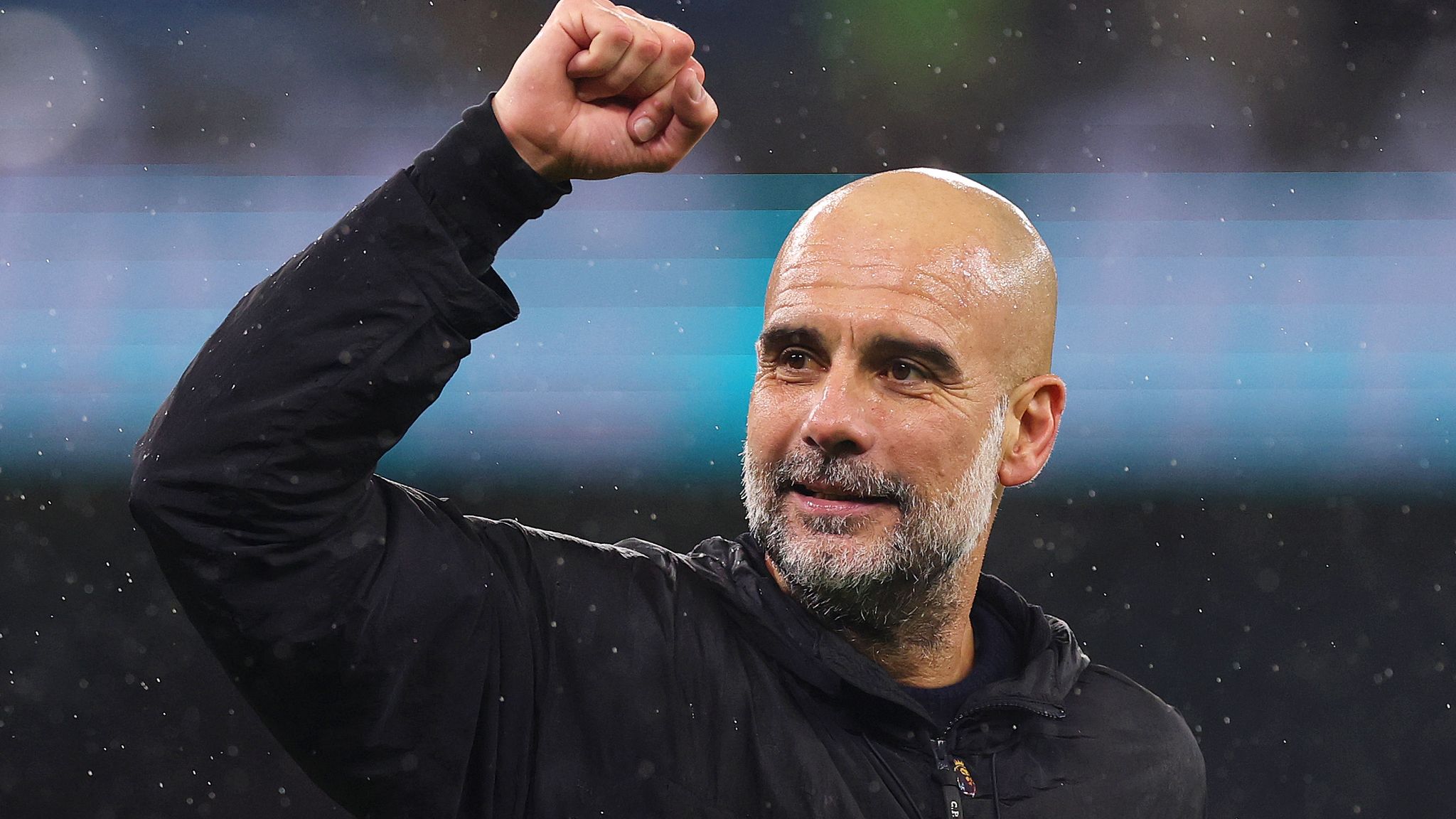
Pep Guardiola has turned down the chance to become the next head coach of the Italian national football team, ending speculation that the highly decorated Spanish manager could take charge of the Azzurri as they attempt to rebuild after another disappointing World Cup campaign. (Yahoo Sports)
Guardiola’s decision comes after discussions with senior Italian football officials, including technical director Paolo Maldini and former executive Leonardo, who explored the possibility of bringing the former Manchester City manager to lead Italy’s national revival project. (Goal)
The 55-year-old reportedly declined the offer because he wants to spend more time with his family and take a break from the intense demands of top-level coaching following a highly successful 10-year spell at Manchester City.
Italy’s Dream Move Falls Through
The Italian Football Federation (FIGC) had identified Guardiola as one of the dream candidates to take over the national team after a period of crisis.
Italy’s football authorities are searching for a coach capable of restoring the country’s status among the world’s elite after years of disappointment, including failure to qualify for consecutive World Cups.
FIGC officials believed Guardiola’s tactical intelligence, winning mentality and experience managing some of the best players in world football could provide the transformation required.
However, despite negotiations and reported meetings, Guardiola ultimately decided against accepting the role. (Reuters)
The rejection represents a setback for Italy, which had hoped to make a statement appointment like other nations that have recently turned to elite club managers for international success.
Guardiola Prioritises Life Away from Football
Reports indicate that Guardiola’s decision was not solely based on financial considerations but largely influenced by his desire for a period away from management.
After leaving Manchester City, where he enjoyed unprecedented success, Guardiola signalled that he needed time to recharge after years of constant pressure.
During his decade at the Etihad Stadium, he transformed Manchester City into one of the dominant forces in European football, winning multiple Premier League titles, domestic trophies and the club’s first UEFA Champions League crown.
Sources close to the situation suggest Guardiola prefers to step away temporarily rather than immediately return to the touchline. (Talksport)
The Spanish coach has previously admitted that football management is emotionally demanding and requires complete commitment, making a short break an attractive option.
Why Italy Wanted Guardiola
Italy’s interest in Guardiola was driven by the belief that he could modernise the national team’s playing style.
The Azzurri have traditionally been associated with defensive organisation and tactical discipline, but recent struggles have raised concerns about creativity, attacking identity and player development.
Guardiola’s philosophy, based on possession football, tactical flexibility and positional intelligence, was viewed as a potential solution.
Italian officials hoped he could create a long-term project that would combine experienced players with emerging talents.
His record of developing young footballers at Barcelona, Bayern Munich and Manchester City strengthened his appeal.
Financial Issues Also Reportedly Played a Role
While Guardiola’s desire for a break was considered the main reason behind his decision, financial discussions were also reportedly a factor.
Reports suggested Guardiola’s salary expectations were significantly higher than the FIGC’s usual budget for national team coaches.
The Italian federation was reportedly willing to make exceptions to attract a world-class manager, but reaching an agreement remained difficult.
Unlike club football, international management typically involves fewer matches and less daily interaction with players, something Guardiola has previously indicated he finds challenging.
The coach has often expressed his enjoyment of the day-to-day involvement of club management, where he can work closely with players throughout the season.
Italy’s Search Continues
With Guardiola no longer available, Italy must now turn its attention to other candidates.
Former Real Madrid and current Brazil coach Carlo Ancelotti was also considered before Guardiola, but reports indicate he remains committed to his current role.
Other names linked with the position include:
- Antonio Conte
- Andrea Pirlo
- Roberto Mancini
Italian football officials have stressed that they want to appoint the right candidate rather than rush into a decision.
Paolo Maldini, who is involved in the selection process, has emphasised the importance of rebuilding Italy with a clear long-term vision.
Guardiola’s Incredible Manchester City Legacy
Guardiola leaves Manchester City as one of the most successful managers in modern football history.
Since arriving in England in 2016, he guided City to multiple Premier League titles, domestic cups and their first Champions League triumph.
His teams became known worldwide for their attacking style, tactical innovation and ability to dominate possession.
Before City, Guardiola enjoyed remarkable success at Barcelona, winning multiple trophies including two Champions League titles, and later continued his winning record at Bayern Munich.
His managerial achievements have placed him among football’s greatest coaches.
International Management Remains Possible in Future
Although Guardiola has rejected Italy’s offer, his future in international football remains a subject of speculation.
Many national teams have shown increasing interest in experienced club managers, especially those capable of managing major tournaments.
Guardiola has previously been linked with international roles, including England’s national team position, but has repeatedly suggested he would only accept such opportunities at the right moment.
At 55, he still has many years ahead in coaching and could eventually consider leading a national side.
A Major Blow for Italy’s Revival Plans
Guardiola’s rejection represents a major disappointment for Italy, which hoped to secure one of football’s most respected tactical minds.
The Azzurri are desperate for stability after years of inconsistency and missed opportunities on the international stage.
However, Guardiola’s decision also highlights the growing challenge national teams face when attempting to attract elite coaches who are accustomed to the intensity of club football.
For now, Italy must continue its search for a leader capable of restoring confidence, rebuilding identity and returning the nation to football’s biggest stages.
Meanwhile, Guardiola will enjoy a rare period away from the pressure of elite management, with his next chapter in football still uncertain.