Greek Police Accused of Using Masked Migrants to Force Illegal Pushbacks at Border
Investigations reveal Greek police allegedly used masked migrants to violently push asylum seekers back across the Turkey border, raising serious human rights concerns.
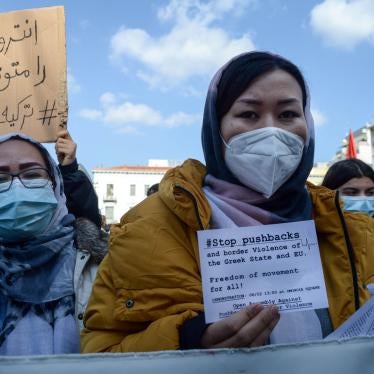
Fresh allegations against Greek authorities have sparked international outrage after reports emerged that police may have been using masked migrants to forcibly push other migrants back across the country’s border with Turkey.
The claims, backed by investigative reporting and testimonies from migrants, point to a shadowy system of enforcement that, if confirmed, could represent a serious breach of international law and human rights protections.
Explosive Allegations from Undercover Investigations
A recent investigation widely reported by media outlets including the BBC claims that Greek police recruited migrants themselves to carry out violent “pushbacks” along the Evros land border with Turkey. (Moneycontrol)
According to the findings, these individuals often from countries such as Syria, Afghanistan, and Pakistan were allegedly used as unofficial enforcers. Wearing masks to conceal their identities, they reportedly intercepted newly arrived migrants and forced them back across the border. (LBC)
Some accounts describe extreme violence. Migrants reported being beaten, robbed, and subjected to degrading treatment before being pushed back into Turkish territory without any opportunity to seek asylum.
What Are “Pushbacks”?
Pushbacks refer to the forced return of migrants across borders without proper legal procedures or access to asylum claims.
Under international law, including the principle of non-refoulement, such actions are considered illegal if individuals are denied the chance to seek protection. (Wikipedia)
Human rights organizations have long accused Greece of engaging in pushbacks, but the latest allegations introduce a troubling new dimension: outsourcing the practice to other migrants.
A “Shadow Force” of Migrant Enforcers
The investigation suggests that the use of masked migrants may not be incidental, but part of an organized system.
Reports indicate that these individuals were incentivized or, in some cases, coerced into participating. Alleged rewards included money, confiscated belongings, or promises of easier movement within Greece.
One migrant reportedly told investigators he had “no real choice” but to comply after being approached by authorities while in detention.
Others described being forced to participate under threat of violence.
The use of migrants in this way has been described by critics as turning vulnerable individuals into tools of border enforcement practice that raises profound ethical and legal questions.
Accounts of Violence and Abuse
Testimonies collected from migrants paint a grim picture of what happens during these operations.
Victims claim they were:
- Beaten with sticks and metal rods
- Stripped of valuables, including phones and money
- Subjected to humiliating and invasive searches
- Forced onto boats or marched to the border under threat
In some cases, migrants alleged that individuals were beaten “to the point of unconsciousness.”
Such accounts are consistent with earlier reports from watchdog groups documenting widespread abuse during pushbacks along Europe’s southeastern borders.
A Long-Running Controversy
The allegations are not entirely new, but they significantly deepen concerns about Greece’s migration policies.
For years, rights groups and international bodies have accused Greek authorities of carrying out illegal pushbacks both at sea and on land. (Wikipedia)
Previous investigations have also documented the involvement of masked men sometimes believed to be security personnel or paramilitary units in these operations.
What is new, however, is the claim that migrants themselves are being recruited or forced into these roles, effectively creating a “proxy enforcement system.”
Greek Government Response
Greek officials have consistently denied allegations of illegal pushbacks.
Prime Minister Kyriakos Mitsotakis has maintained that Greece is acting within its rights to protect its borders and prevent irregular migration.
Authorities argue that the country is on the frontline of Europe’s migration crisis and must balance humanitarian obligations with national security concerns.
However, critics say these justifications do not excuse violations of international law.
EU Scrutiny and International Pressure
The controversy has intensified scrutiny from European institutions and human rights organizations.
The EU border agency, Frontex, has previously investigated multiple cases involving alleged rights violations at Greece’s borders. (Reuters)
Legal experts warn that if the latest claims are substantiated, they could lead to serious consequences for Greece, including legal challenges at European courts and potential sanctions.
There are also broader implications for the European Union, which has faced criticism for its handling of migration and border enforcement.
Human Cost and Moral Questions
Beyond legal debates, the allegations highlight the human cost of migration policies.
Migrants fleeing war, poverty, and persecution often risk their lives to reach Europe. For many, Greece represents a gateway to safety.
Instead, these reports suggest that some are met with violence, denial of rights, and forced returns sometimes at the hands of other migrants placed in impossible situations.
The use of masked individuals further complicates accountability, making it difficult to identify perpetrators and seek justice.
A Border Crisis Without Easy Answers
The situation reflects the broader challenges facing Europe as it grapples with migration pressures.
Countries like Greece argue they are overwhelmed and require stronger measures to control borders. Human rights advocates counter that such measures must not come at the expense of fundamental protections.
The alleged use of masked migrants as enforcers sits at the intersection of these tension-raising urgent questions about how far states can go in managing migration.
Conclusion
The allegations that Greek police have used masked migrants to carry out illegal pushbacks represent one of the most serious accusations yet in Europe’s ongoing migration crisis.
If proven true, they would not only expose systemic abuse but also challenge the moral and legal foundations of border enforcement policies.
As investigations continue, the case is likely to intensify debates about migration, accountability, and human rights both within Greece and across the European Union.
For now, one thing is certain: the images and testimonies emerging from the border are forcing the world to confront uncomfortable questions about how migrants are treated at Europe’s gates.