Government Official Denies LPG Export Claims as Domestic Cooking Gas Prices Surge Nationwide
A government official has denied allegations that Nigeria is exporting LPG amid rising domestic cooking gas prices, insisting supply remains focused on local demand as households face affordability pressure.
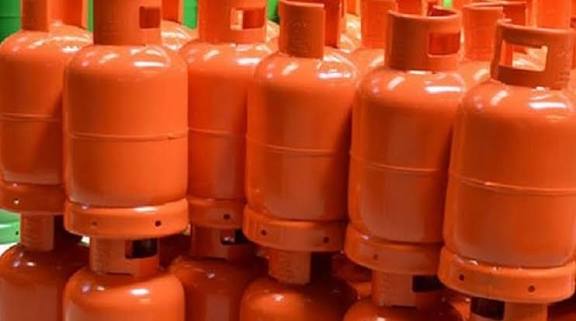
A senior government official has strongly denied reports suggesting that Nigeria is exporting liquefied petroleum gas (LPG) while domestic cooking gas prices continue to rise sharply across the country, sparking public concern and renewed debate over energy supply management.
The clarification comes amid widespread complaints from households and small businesses struggling with the rising cost of cooking gas, which has increased significantly in recent months due to supply constraints, currency pressures, and distribution bottlenecks.
According to the official, Nigeria is not prioritizing LPG exports at the expense of domestic consumption, stressing that current production and distribution systems are primarily focused on meeting local demand.
“The suggestion that we are exporting LPG while Nigerians face scarcity is incorrect,” the official said. “Our priority is to ensure sufficient supply within the domestic market.”
Rising LPG Prices Stir Public Concern
In major cities including Lagos, Abuja, Port Harcourt, and Kano, the price of refilling cooking gas cylinders has surged, leaving many households struggling to adjust their budgets.
Retail prices for LPG have reportedly climbed due to a combination of factors, including foreign exchange instability, increased transportation costs, and limited supply at depots.
Market surveys show that prices for a 12.5kg cylinder have risen significantly compared to previous months, placing additional pressure on low- and middle-income households already dealing with high inflation.
Consumers have expressed frustration, calling on the government to intervene more decisively to stabilize prices and improve distribution efficiency.
Government Explains Supply Chain Dynamics
The official explained that Nigeria’s LPG market operates within a complex structure involving domestic producers, international partners, and distribution companies.
While Nigeria produces a significant portion of its LPG locally through oil and gas operations, some volumes are also tied to contractual obligations, regional supply agreements, and export commitments that help stabilize the broader energy sector.
However, the government emphasized that such arrangements are carefully balanced to avoid domestic shortages.
Energy regulators also noted that fluctuations in global gas prices and shipping costs can indirectly affect local pricing, even when domestic supply levels remain relatively stable.
Calls for Transparency in Energy Sector
The rising cost of cooking gas has prompted renewed calls for greater transparency in Nigeria’s energy sector, particularly regarding production volumes, distribution channels, and pricing structures.
Energy analysts argue that clearer communication from authorities would help reduce public anxiety and speculation about exports versus domestic supply allocation.
Some stakeholders have also urged the government to publish real-time data on LPG production and consumption to improve accountability and market confidence.
Industry Stakeholders Weigh In
Players in the downstream gas sector have acknowledged that supply chain inefficiencies and infrastructure limitations contribute significantly to price volatility.
Depot operators and marketers say delays in transportation, storage shortages, and logistics challenges often create artificial scarcity in certain regions, even when national supply levels are adequate.
They also emphasize that investment in domestic gas infrastructure is critical to ensuring long-term price stability.
According to industry experts, expanding coastal depots, improving pipeline networks, and increasing local bottling capacity could help reduce pressure on retail prices.
Nigerians Bear the Brunt of Rising Costs
For many households, the increasing cost of cooking gas has forced a shift toward alternative fuels such as charcoal and kerosene, despite environmental and health concerns.
Urban residents say they are feeling the impact more severely due to higher consumption rates and limited access to cheaper energy alternatives.
Small businesses, including food vendors and restaurants, are also experiencing increased operational costs, which are often passed on to consumers.
Economists warn that sustained LPG price increases could contribute to broader inflationary pressures, especially in the food and services sectors.
Government Reaffirms Commitment to Domestic Supply
Despite public concerns, the government insists that it remains committed to prioritizing domestic energy security and ensuring that Nigerians have access to affordable cooking gas.
Officials say ongoing reforms in the oil and gas sector are aimed at boosting local refining capacity, improving distribution efficiency, and attracting investment into gas infrastructure.
They also highlighted initiatives designed to expand domestic LPG penetration as part of Nigeria’s broader clean energy transition strategy, which seeks to reduce reliance on firewood and other polluting fuels. (Punch News)
Looking Ahead
As discussions continue over the causes of rising LPG prices, experts believe that a combination of policy clarity, infrastructure investment, and market regulation will be necessary to stabilize the sector.
For now, the government’s denial of export-driven shortages is expected to calm some public fears, but pressure remains high for tangible improvements in supply and pricing.
Consumers, meanwhile, are watching closely for any policy changes that could bring relief to the escalating cost of household energy.