Goodluck Jonathan and the 2027 Presidency: The Merits and Demerits of a Possible Political Comeback
As former Nigerian President Goodluck Jonathan reportedly continues political consultations ahead of 2027, debates are intensifying over the merits and demerits of a possible presidential comeback bid. Here’s what his return could mean for Nigeria’s political future.
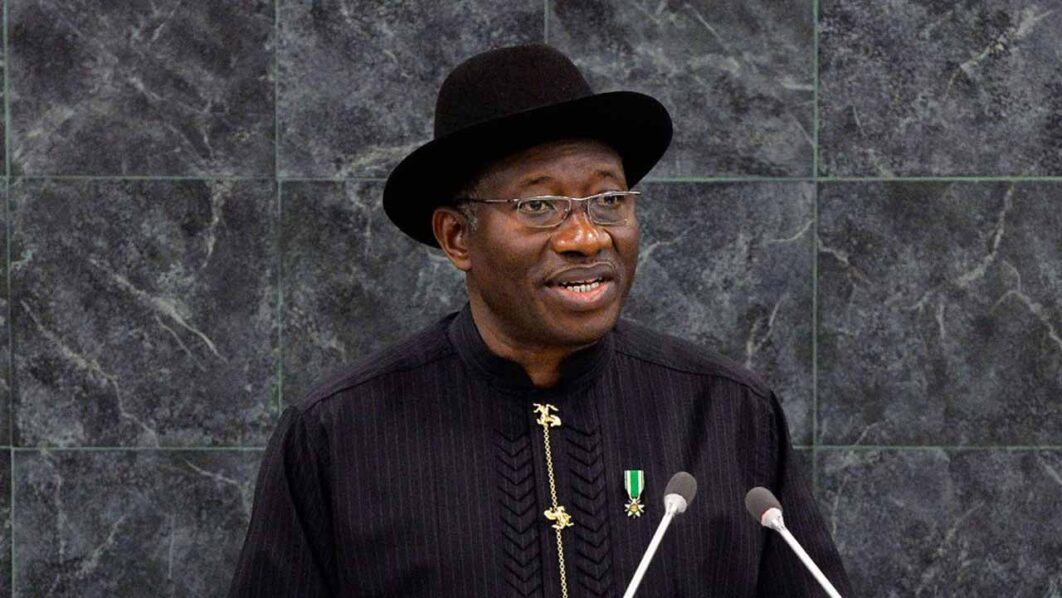
Former Nigerian President Goodluck Jonathan has once again found himself at the center of national political conversations as reports of ongoing consultations ahead of the 2027 general elections continue gaining momentum.
Although Jonathan has not officially declared interest in contesting, increasing political meetings, endorsements from supporters, and renewed discussions within several political blocs have fueled speculation that the former president may be considering a return to Nigeria’s highest office.
For many Nigerians, the mere possibility of Jonathan’s re-entry into presidential politics represents both hope and controversy. Supporters view him as an experienced statesman capable of stabilizing Nigeria during difficult times, while critics question whether the country should return to former leaders rather than produce a new generation of leadership.
As political realignments intensify ahead of 2027, the debate over Jonathan’s potential candidacy raises important questions about Nigeria’s democracy, governance challenges, and political future.
The Merits of Jonathan’s Possible Return
1. Experience in National Leadership: One of Jonathan’s strongest advantages remains his experience at the highest level of government. Having served as deputy governor, governor, vice president, acting president, and eventually president, Jonathan possesses deep institutional knowledge of Nigeria’s political and administrative systems.
Supporters argue that at a time of economic uncertainty, insecurity, and political tension, Nigeria may benefit from a leader already familiar with the complexities of governance.
Many analysts also believe his calm leadership style contrasts with the confrontational politics that often dominate Nigeria’s political environment.
2. Democratic Credentials and Peaceful Transition: Jonathan’s reputation internationally improved significantly after the 2015 election when he accepted defeat and peacefully handed over power to the then-opposition candidate Muhammadu Buhari. That decision remains one of the most celebrated moments in Nigeria’s democratic history.
Supporters believe this demonstrated maturity, patriotism, and respect for democratic institutions - qualities many Nigerians increasingly desire in political leadership. His peaceful transition also earned him recognition from international democratic organizations and African political observers.
3. Regional and Political Balance: Another argument in favor of Jonathan’s possible candidacy relates to Nigeria’s sensitive political balancing system. Some political stakeholders believe a Jonathan return could calm regional tensions, especially given ongoing debates about power rotation, inclusion, and national unity.
As a politician from the South-South region, his candidacy could reshape political alliances and potentially attract support across different parts of the country. Some opposition figures may also view him as a compromise candidate capable of uniting fragmented political coalitions ahead of 2027.
4. International Acceptance: Jonathan continues to enjoy relatively strong international credibility due to his diplomatic engagements and election observation roles across Africa.
His relationships with international organizations, foreign governments, and democratic institutions may improve Nigeria’s global image and investor confidence if he returns to power. In a period where economic diplomacy and foreign investment remain crucial, some supporters see this as a major advantage.
The Demerits of Jonathan’s Possible Return
1. Questions About Constitutional and Political Morality: One major controversy surrounding Jonathan’s possible return involves debates about constitutional interpretation and political morality.
Although legal experts remain divided over whether he would be constitutionally eligible to contest again because of the unique circumstances surrounding his first term, critics argue that Nigeria should avoid returning to former presidents altogether.
Some observers believe repeated reliance on former leaders reflects weak political development and limited leadership renewal within the country.
For younger Nigerians, especially, another presidential comeback attempt by an older political figure may reinforce perceptions that the political class is unwilling to create space for new leadership.
2. Lingering Criticism of His Administration: While some Nigerians remember Jonathan’s presidency positively, others continue criticizing aspects of his administration. Security challenges, particularly the rise of Boko Haram insurgency during his tenure, remain one of the most persistent criticisms against him.
His government was also accused by critics of weak decision-making, slow responses to national crises, and tolerance of corruption within parts of the administration. Opponents argue that nostalgia should not erase the serious governance failures and political controversies that occurred during his years in office.
3. Risk of Deepening Political Polarization: Jonathan’s return could potentially intensify political divisions rather than heal them. The 2027 elections are already shaping up to become highly competitive, with multiple regional interests and political blocs positioning themselves for influence.
His entry into the race may disrupt existing alliances and create tensions within opposition coalitions struggling to maintain unity. Some analysts also warn that political battles over zoning and regional entitlement could become even more heated if Jonathan decides to run.
4. Generational Leadership Debate: Nigeria currently has one of the youngest populations in the world, yet political leadership remains dominated by older generations. Critics argue that bringing back former leaders may discourage political innovation and weaken opportunities for younger politicians with fresh ideas.
Many youths increasingly demand leadership focused on technology, job creation, economic modernization, and institutional reforms rather than recycled political figures.
Jonathan’s candidacy could therefore become symbolic of a wider national debate about whether Nigeria is truly ready for generational political transition.
What His Possible Entry Means Going Forward
Jonathan’s consultations, whether exploratory or strategic, are already influencing Nigeria’s political calculations ahead of 2027. His possible entry could significantly reshape opposition politics by either strengthening coalition-building efforts or creating new divisions among rival political actors.
For the ruling All Progressives Congress, a Jonathan candidacy would likely represent a serious political challenge due to his name recognition, national experience, and international reputation.
For opposition parties, however, the question may become whether Jonathan represents the strongest available candidate or whether Nigeria needs entirely new political leadership. Ultimately, the debate surrounding Jonathan’s potential return reflects deeper national anxieties about governance, leadership quality, insecurity, economic hardship, and the future of Nigerian democracy.
Whether he eventually contests or not, the growing discussions around his name confirm one reality: the road to 2027 has already begun.