Gianni Infantino's FIFA Reform Plans in Jeopardy After AFC Joins Growing Opposition
FIFA President Gianni Infantino's controversial proposal to sell a stake in a new commercial entity managing World Cup rights faces mounting resistance after the Asian Football Confederation (AFC) joined UEFA and CONCACAF in opposing the plan.
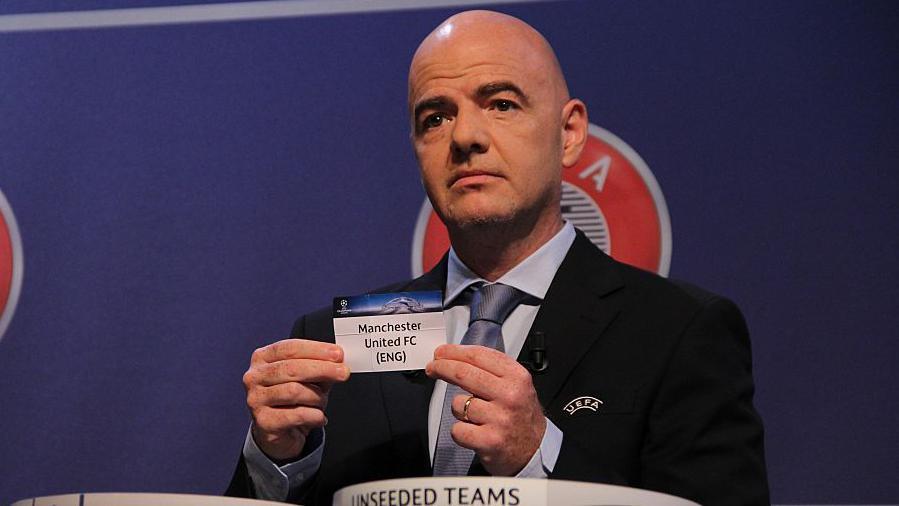
FIFA President Gianni Infantino is facing one of the biggest political challenges of his decade-long leadership after the Asian Football Confederation (AFC) joined growing international opposition to his controversial proposal to bring private investment into the commercial management of the FIFA World Cup.
The AFC's decision to oppose the plan has significantly weakened Infantino's position, as Asia has traditionally been one of FIFA's strongest voting blocs. With UEFA and CONCACAF already expressing serious concerns, the proposal now faces an uncertain future ahead of a possible vote by FIFA's 211 member associations. (The Guardian)
The Controversial Proposal
At the centre of the dispute is Infantino's proposal to establish a new commercial company widely reported as FIFA Forward Enterprise that would manage the commercial rights to FIFA competitions, including the World Cup.
Under the proposal, FIFA would sell a minority stake in the company to private investors in a deal reportedly valued at around $20 billion. FIFA has argued that the investment would generate significantly higher revenues, allowing greater financial support for national football associations worldwide. Member federations have reportedly been offered a one-time payment of about $20 million if the proposal is approved. (AP News)
FIFA insists that no sporting control of the World Cup would be transferred to investors and says the governing body would retain ownership of football's premier tournament. (skysports.com)
AFC's Opposition Changes the Landscape
The latest setback came when the AFC publicly criticised the proposal, arguing that FIFA had failed to properly consult continental confederations before unveiling such a far-reaching commercial restructuring.
In a letter to its 47 member associations, AFC President Sheikh Salman bin Ibrahim Al Khalifa warned that the process lacked sufficient transparency and threatened the principles of solidarity and cooperation that underpin world football.
He also questioned the speed with which FIFA is seeking approval, saying member associations deserve adequate time to assess the legal, financial and governance implications of the proposal.
The AFC's stance is particularly significant because Salman was Infantino's main rival during the 2016 FIFA presidential election and has remained an influential figure within global football governance.
UEFA Leads Resistance
Europe has emerged as the strongest opponent of the proposal.
UEFA President Aleksander Čeferin has accused FIFA of failing to consult stakeholders and warned that selling part of the World Cup's commercial rights risks undermining football's independence.
UEFA's 55 member associations recently held emergency discussions, with reports indicating that some federations are considering a boycott of future FIFA competitions should the proposal proceed without substantial changes.
European football leaders argue that the World Cup is a global sporting asset that should not become partially owned by private investment firms.
CONCACAF Also Raises Concerns
The Confederation of North, Central America and Caribbean Association Football (CONCACAF) has also voiced reservations about the proposal.
Although CONCACAF has stopped short of threatening a boycott, officials have questioned FIFA's consultation process and called for greater transparency before member associations are asked to vote.
With three major continental confederations now expressing varying degrees of opposition, Infantino's once-solid coalition appears increasingly divided.
FIFA Defends the Plan
Despite the backlash, FIFA insists the proposal has been misunderstood.
In a statement issued Friday, the governing body stressed that "nobody is selling football" and rejected suggestions that private investors would control the World Cup or influence sporting decisions.
FIFA argues that the investment would unlock billions of dollars in additional revenue, enabling greater investment in football development programmes, infrastructure and grassroots initiatives across all 211 member associations. (skysports.com)
Officials also maintain that FIFA would continue to own and govern all competitions.
Internal Pressure Mounts
The controversy has also triggered signs of internal unrest within FIFA.
Reports indicate that Carlos Cordeiro, one of Infantino's senior advisers and a former president of the U.S. Soccer Federation, resigned over the proposal, reportedly describing it as a poor deal for world football.
His departure has fueled speculation about growing divisions inside FIFA's leadership structure. (The Times of India)
Political analysts believe the combination of internal resignations and external opposition has created one of the most difficult moments of Infantino's presidency.
What Happens Next?
For the proposal to proceed smoothly, FIFA needs broad support from its member associations.
The AFC's decision to oppose the plan could prove decisive because Asian nations represent a substantial voting bloc within FIFA Congress.
Should more confederations align with UEFA and the AFC, Infantino may be forced to delay the proposal, amend its structure or abandon it altogether.
The controversy also comes at a sensitive time, with FIFA preparing for future commercial expansion while seeking to preserve confidence in its governance.
Implications for Global Football
The debate extends beyond finance.
Supporters argue that private investment could strengthen FIFA's finances and provide more funding for developing football nations.
Critics, however, fear that introducing outside investors into the governance of football's biggest commercial asset could fundamentally alter how the World Cup is managed and commercialized.
Many administrators believe the issue has become a test of FIFA's transparency and accountability under Infantino's leadership.
Looking Ahead
The AFC's decision to join UEFA and CONCACAF in questioning FIFA's investment proposal has placed Gianni Infantino under unprecedented pressure.
What initially appeared to be an ambitious financial reform has evolved into a broader debate over governance, transparency and the future ownership of football's most prestigious competition.
While FIFA continues to defend the proposal as a means of generating more resources for the global game, resistance from key continental confederations means its path to approval has become far more uncertain.
Whether Infantino can rebuild consensus or will be forced to rethink one of the most ambitious commercial initiatives in FIFA's history may shape not only his presidency but also the future governance of world football.