Ghana Withdraws High Commissioner to Nigeria: Diplomatic Recall, Political Ethics & Bilateral Impact
Ghana has recalled its High Commissioner to Nigeria amid allegations of electoral malpractice. This analytical article explores the reasons, reactions, diplomatic implications, and what it means for Ghana–Nigeria ties.
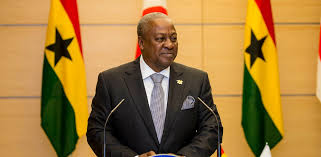
In a move that has caught the attention of political observers across West Africa, the Government of Ghana has recalled its High Commissioner to Nigeria, Mohammed Baba Jamal Ahmed, over allegations of electoral malpractice linked to his participation in a domestic party primary. The recall - directed by President John Dramani Mahama and announced in early February 2026 - raises questions about diplomatic conduct, political ethics, and the management of bilateral relations between two of West Africa’s most populous and influential nations.
What Happened? The Recall Explained
President Mahama ordered the immediate recall of Baba Jamal from his position as Ghana’s High Commissioner to the Federal Republic of Nigeria - a posting that represents one of Ghana’s highest diplomatic roles in the region. The recall followed allegations that Jamal, who was serving full-time as Ghana’s envoy in Abuja, ran for and won a National Democratic Congress (NDC) parliamentary primary in the Ayawaso East constituency in Ghana’s domestic elections. (Sompa Online)
Reports from the primary indicated controversies over voter inducement and vote buying, with some delegates alleging that items such as television sets and other gifts were distributed during the campaign process. As a serving diplomat and public appointee, Jamal’s participation in such a contest raised concerns about Ghana’s Code of Conduct for Political Appointees - a set of ethical standards that regulate the political activities of senior government officials. (Linda Ikeji's Blog)
President Mahama stated that decisive action was necessary “to uphold the integrity of public office and avoid any perception of impropriety,” stressing that Jamal’s involvement as a serving public officer in the election campaign and primary contest could be seen as compromising professional diplomatic standards.
Baba Jamal’s Response and Denial
In the immediate aftermath of the recall order, Baba Jamal categorically denied the allegations of vote buying and electoral malpractice. In a statement released following the presidential directive, he maintained that he had not engaged in improper conduct during the primary election and that items distributed during the process were gestures of goodwill rather than inducements to influence votes. (GhHeadlines)
Jamal further expressed his appreciation for the opportunity to serve Ghana as High Commissioner to Nigeria, calling the appointment a “great honour.” He also signaled his readiness to cooperate with any investigative processes conducted by Ghana’s ruling party - the NDC - which had launched its own internal review of the Ayawaso East primary.
The Broader Context: Political Ethics and Diplomatic Conduct
The recall raises deeper questions about the expectations placed on public servants and diplomats in Ghana and across the region. High commissioners and ambassadors are traditionally expected to represent their countries’ interests abroad without partisanship or involvement in domestic political contests - especially while posted overseas. Jamal’s participation in a Ghanaian internal political primary while serving in a key diplomatic role was widely viewed by observers as a breach of diplomatic norms and the ethical conduct expected of envoys.
Ghana’s Code of Conduct for Political Appointees aims to prevent conflicts of interest and ensure that senior officials uphold the highest standards of integrity. President Mahama’s decision to recall Jamal suggests a tightening of ethical expectations for diplomats and a determination to separate domestic political engagement from official diplomatic representation.
Diplomatic and Bilateral Repercussions
While the recall was driven by internal political and ethical considerations, it also has diplomatic implications, given the historical and strategic ties between Ghana and Nigeria. Both countries are founding members of the Economic Community of West African States (ECOWAS) and have deep economic, cultural, and political links. Diplomatic postings between them are usually high-profile and symbolic of mutual respect and cooperation.
There has been no immediate indication from either government that the recall is intended to disrupt bilateral relations. However, such a high-level diplomatic withdrawal - particularly one connected to a political controversy - could create sensitivities in Abuja and will require careful management to prevent misunderstandings or media speculation about deeper tensions.
Historical tensions have occasionally surfaced, such as during diplomatic property disputes or trade disagreements, but these have typically been resolved through engagement and negotiation. Experts on West African diplomacy suggest that this recent recall is most likely a domestic governance issue rather than a signal of deteriorating Ghana–Nigeria relations.
Public Reaction and Regional Perspectives
Public reactions in both Ghana and Nigeria have been mixed. In Ghana, many commentators view the recall as a necessary assertion of ethical standards, arguing that diplomats should not simultaneously engage in local political contests that could compromise their roles. Others, however, believe the situation was avoidable and that clearer guidelines should be in place to prevent such conflicts from arising in the first place.
In Nigeria, the recall has been covered with interest, given the profile of the diplomatic post and the prominence of both countries in regional affairs. Some Nigerian analysts see the development as reflective of Ghana’s commitment to ethical governance, while others caution against conflating internal political conduct with broader diplomatic dynamics. (Punch Newspapers)
Implications for Future Diplomatic Appointments
The recall underscores the importance of clear ethical guidelines and separation between political activities and diplomatic responsibilities. Governments across ECOWAS may take this development as an example to review their policies on public office holders engaging in electoral politics while serving abroad. It also highlights the need for internal party mechanisms to enforce ethical standards and avoid situations that blur the line between governance and partisan activity.
Officials from the Ministry of Foreign Affairs in Accra have been instructed to undertake all necessary administrative and procedural steps to formalize the recall, and the appointment of a new High Commissioner to Nigeria is expected in due course.
Conclusion
Ghana’s decision to withdraw its High Commissioner to Nigeria, Mohammed Baba Jamal Ahmed, following allegations linked to electoral conduct in the NDC primaries, represents a significant moment in the intersection of political ethics and diplomacy. While driven by domestic governance concerns, the recall has broader implications for bilateral relations, diplomatic norms in West Africa, and the evolving expectations of public servants operating on the international stage. As both nations move forward, their handling of this development will be closely watched by political observers and diplomatic circles alike.