Georgia Teen Sentenced to Life for Killing Mother After Abandoning Planned School Shooting
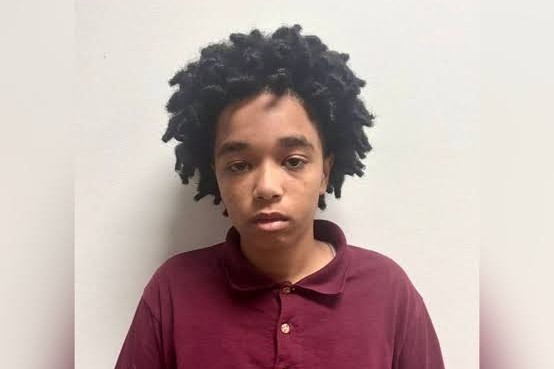
A Georgia teenager who killed her mother when she was 14 has been sentenced to life in prison, nearly two years after the fatal shooting that prosecutors say followed an abandoned plan to carry out a mass shooting at her former school.
Lilyana Rose Wagner, now 16, pleaded guilty to felony murder and aggravated assault in connection with the November 2024 killing of her mother, 51-year-old Rachel Suzanne Wagner, in Tifton, Georgia.
Wagner was sentenced to life imprisonment with the possibility of parole after 30 years, according to Tifton Judicial Circuit District Attorney Patrick Warren. (WSB-TV Channel 2 - Atlanta)
The case has attracted widespread attention because investigators said the teenager had initially contemplated a school shooting before changing her plans and killing her mother instead.
Mother found dead after daughter's car crash
The case began on November 19, 2024, when Wagner was involved in a car crash in Crawford County.
She was the only person in her mother's vehicle at the time of the accident. During the investigation, she reportedly told authorities that she lived with her mother.
Police became concerned after learning that Rachel Wagner had failed to report for work and was not responding to telephone calls.
Officers from the Tifton Police Department subsequently went to the family home to conduct a welfare check.
Inside, they found Rachel Wagner dead in her bed. She had suffered a single gunshot wound to the back of the head.
The discovery transformed what initially appeared to be a missing-person or welfare concern into a homicide investigation.
Teen eventually confessed
Investigators later uncovered a handwritten confession attributed to Lilyana Wagner.
According to prosecutors, the document revealed that she had originally considered carrying out a shooting at her former middle school.
The plan was reportedly influenced by her fascination with previous mass shooters. Investigators also discovered evidence suggesting that she had been communicating online with anonymous individuals who encouraged violent behaviour.
Rather than proceeding with the planned school attack, prosecutors said Wagner abandoned that plan and decided to kill her mother.
The revelation added another disturbing dimension to an already tragic case and raised questions about the influence of online communities on vulnerable young people. (New York Post)
Gun was reportedly purchased weeks before killing
Authorities also determined that the firearm used to kill Rachel Wagner had been purchased from a pawn shop approximately one month before the shooting.
Prosecutors said the gun and ammunition had been made available to the teenager by her mother.
District Attorney Patrick Warren highlighted the issue as one of several decisions that ultimately contributed to the tragedy.
He questioned what might have happened if Wagner had not encountered people online who encouraged violent acts, if she had not had access to a firearm, or if the family had received appropriate support before the killing occurred.
The circumstances have consequently generated debate about firearm access, parental supervision, mental health support and the dangers posed by online communities that glorify violence.
Prosecutor says there were “no winners”
Warren described the case as a tragedy in which “no winners” emerged.
Rachel Wagner lost her life, while her daughter now faces decades behind bars.
The prosecutor said the case should prompt society to examine the chain of decisions and circumstances that preceded the killing rather than simply focusing on the final act.
He also urged people to speak up when they identify individuals who may be struggling or display warning signs.
His comments reflect the broader challenge of identifying violent behavior before it escalates into an irreversible tragedy.
Wagner was 14 when she committed the crime
One of the most striking aspects of the case is Wagner's age at the time of the killing.
She was only 14 years old when she shot her mother. She is now 16, but despite her young age, the severity of the crime has resulted in a life sentence.
Under the sentence imposed following her guilty plea, she will have to serve at least 30 years before becoming eligible for parole.
That means she could spend most of her adult life in prison before having an opportunity to seek release. The sentence highlights the seriousness with which Georgia prosecutors and the court treated the killing.
Online influence emerges as major concern
Investigators' findings about Wagner's online activities have intensified concerns about how teenagers can encounter violent material on the internet.
According to prosecutors, she had developed an online presence focused on mass-casualty attacks and had communicated with anonymous individuals who encouraged her violent intentions. The case therefore illustrates a growing challenge for parents, schools and law-enforcement agencies: identifying when online fascination with violent content crosses into genuine preparation for violence.
Experts and authorities have repeatedly warned that young people can be influenced by online communities that glorify notorious killers or provide encouragement for violent fantasies.
In Wagner's case, prosecutors believe that online interactions formed part of the circumstances leading up to the planned attack and eventual killing.
The abandoned school shooting plan
Perhaps the most disturbing revelation was that Rachel Wagner may not originally have been the intended target.
According to the prosecution's account, Lilyana had contemplated attacking her former school. She reportedly became fascinated with several notorious mass shooters and developed a plan for a school attack.
She eventually abandoned that plan and instead targeted her mother.
The precise motivations behind that change remain part of the complicated circumstances of the case, but prosecutors have portrayed it as an important part of understanding how the homicide unfolded.
The revelation has also raised questions about how schools and families can identify threats before they become violent.
A tragedy involving a family
Behind the disturbing criminal details is the death of a mother and the imprisonment of her teenage daughter. Rachel Wagner, 51, was reportedly living with Lilyana at the time of her death.
Her daughter was subsequently left facing the criminal justice system while still in adolescence.
The district attorney's comments suggest that authorities view the tragedy not simply as an isolated act of violence but as the result of multiple failures involving online influences, access to firearms and the absence of adequate intervention.
Warren said the case should encourage communities to help people who are struggling and to report concerning behavior before it develops into violence.
Life sentence brings legal case to a close
By pleading guilty to felony murder and aggravated assault, Wagner avoided a full trial.
Her guilty plea also meant prosecutors did not have to present the entire case before a jury. The court subsequently imposed a life sentence with the possibility of parole after 30 years.
For Rachel Wagner's family and those affected by the killing, the sentence brings a degree of legal closure, although it cannot undo the loss.
For Wagner, however, the punishment means that a crime committed when she was only 14 will shape the rest of her life.
Broader questions remain
The case has prompted difficult questions about juvenile crime, access to firearms, parental responsibility and online radicalization.
It also raises questions about how society should respond when children display signs of dangerous behavior. A 14-year-old contemplating a mass shooting represents a particularly serious warning about the need for early intervention.
Parents, teachers, law-enforcement officers and technology platforms all have different roles in identifying and responding to threats.
But the Wagner case also demonstrates the difficulty of predicting when disturbing online behavior will translate into real-world violence.
A warning beyond Georgia
The tragedy in Tifton is likely to remain a cautionary case for communities across the United States. A teenage girl fascinated by mass violence ultimately killed the person closest to her after abandoning an even larger attack, according to prosecutors.
Her mother is dead, her family is grieving, and Wagner faces decades in prison.
District Attorney Patrick Warren's assessment that there were no winners captures the central tragedy of the case.
The life sentence may have brought the criminal proceedings closer to an end, but the questions surrounding the circumstances that preceded the murder remain.
How did a 14-year-old gain access to a firearm? What role did online communities play? Could warning signs have been recognized earlier? And what support might have prevented the tragedy?
Those questions now form an important part of the wider conversation surrounding the case.
For Georgia, the story is not only about a teenager who killed her mother. It is also a warning about how online influence, access to weapons and unaddressed warning signs can combine to produce devastating consequences.