Fresh Turmoil in PDP as Wike Camp Rolls Out Primaries Plan Ahead of 2027 Elections
Internal crisis deepens in Nigeria’s PDP as the Wike-backed faction announces plans for party primaries ahead of 2027 elections, intensifying leadership disputes and legal battles within the opposition party.
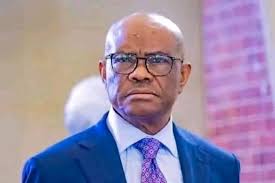
The People’s Democratic Party (PDP) is once again engulfed in internal conflict as the faction aligned with Federal Capital Territory Minister Nyesom Wike has announced plans to begin preparations for party primaries ahead of the 2027 general elections. The move has triggered fresh political tensions within the opposition party, further widening the leadership divide that has persisted for months.
The development, announced during a controversial National Executive Committee (NEC) meeting held at the PDP national secretariat in Abuja, signals a renewed struggle for control of the party’s structure and electoral machinery. (TheStar)
Wike Camp Declares Readiness for Primaries
Leaders of the Wike-backed faction declared that the party has moved past its internal uncertainty and is now focused on organizing transparent and credible primaries in line with electoral guidelines.
The faction’s National Chairman, Abdulrahman Mohammed, said the PDP is fully prepared to commence nationwide primaries and reposition itself for electoral competitiveness. He emphasized discipline, adherence to party constitution, and structural reforms as key priorities moving forward.
According to the camp, preparations for the primaries will follow Independent National Electoral Commission (INEC) guidelines, with the aim of selecting candidates who reflect both party loyalty and voter aspirations ahead of 2027.
Nyesom Wike, speaking at the same meeting, called for reconciliation efforts within the party, urging leaders to reach out to defectors and aggrieved members to rebuild internal unity.
Renewed PDP Factional Crisis
The announcement has, however, deepened the existing crisis within the PDP, which is currently split into rival factions competing for legitimacy and control of party structures.
One faction is led by Tanimu Turaki (SAN), backed by governors such as Seyi Makinde of Oyo State and Bala Mohammed of Bauchi State, while the opposing bloc is aligned with Abdulrahman Mohammed and strongly supported by Wike.
The two camps have been engaged in a prolonged leadership struggle involving court cases, conflicting NEC meetings, and competing claims over the party’s national secretariat.
Analysts say the latest move by the Wike camp to roll out primaries planning is effectively a declaration of authority over party operations, something the rival faction has strongly rejected.
Rival Faction Rejects NEC Meeting
The Turaki-led group dismissed the NEC meeting where the primaries announcement was made, describing it as illegitimate and accusing the Wike camp of acting without proper mandate.
They alleged that the gathering was influenced by external political interests and insisted that any decisions taken there hold no legal or institutional weight within the PDP structure.
The faction further warned members against recognizing outcomes from what it described as “unauthorized assemblies,” deepening the rift between both camps.
Legal Battles Intensify
Beyond political disagreements, the PDP is also facing multiple legal challenges as both factions seek judicial validation of their claims to leadership.
Court cases involving party officials, expulsions, and recognition of national officers are currently pending at various levels of Nigeria’s judiciary.
One major point of contention is the control of party administrative structures, including the authority to sign nomination documents and conduct primaries—issues that are central to the 2027 election preparations.
The Turaki faction has also reportedly written to the Independent National Electoral Commission (INEC), urging it to derecognize the Wike-backed leadership group.
Wike’s Call for Reconciliation
Despite the escalating tensions, Wike used the NEC meeting to call for unity and reconciliation, urging party leaders to prioritize inclusiveness over division.
He advocated the formation of a reconciliation committee to engage defective members and resolve grievances that have fueled recent departures from the party.
Wike also insisted that internal disputes are normal in political organizations but must not derail the PDP’s electoral ambitions.
However, critics within the opposing faction view his involvement as part of the deeper structural crisis that has weakened party cohesion.
Implications for 2027 Elections
Political observers say the PDP’s internal crisis could significantly affect its preparedness for the 2027 general elections, especially as rival factions continue to operate parallel structures.
The announcement of primaries by the Wike camp raises questions about which faction will ultimately control candidate selection, a critical factor in Nigeria’s party-based electoral system.
If unresolved, the dispute could lead to parallel candidates, court-ordered substitutions, or even disqualification risks in key constituencies.
A Party at a Crossroads
The PDP, once Nigeria’s dominant political force, has struggled with recurring internal divisions since losing federal power in 2015. The current crisis represents one of its most severe leadership battles in recent years.
With both factions’ claiming legitimacy, the party faces mounting pressure to resolve its internal disputes before formal election timelines begin.
Political analysts warn that continued fragmentation could weaken its opposition role against the ruling All Progressives Congress (APC), especially as other emerging coalitions position themselves ahead of 2027.
Conclusion
The rollout of primaries planning by the Wike-led faction has intensified an already volatile situation within the PDP, exposing deep structural and leadership divisions.
While one side insists it is restoring order and preparing for electoral success, the other views it as an illegitimate power grab. The outcome of this struggle will likely determine not only the PDP’s internal stability but also its political relevance in Nigeria’s next general election cycle.
For now, the party remains split, its future uncertain, and its internal battle far from resolved.