French Authorities Raid X Offices in Paris: EU Cracks Down on AI, Algorithms, and Harmful Content
French prosecutors have raided the Paris offices of Elon Musk’s social media platform X amid a widening criminal probe into algorithm manipulation, AI deepfakes, child abuse imagery and more. Explore the allegations, X’s response, and implications for global media and tech regulation.
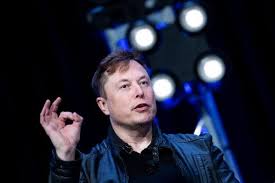
PARIS - French authorities on 3 February 2026 raided the Paris headquarters of X, the social media platform formerly known as Twitter, in a major escalation of legal and regulatory scrutiny over its content moderation, algorithm systems and AI technology. The action, carried out by France’s cybercrime unit with support from Europol, forms part of a year-long investigation now probing the platform over a wide range of alleged offenses, including algorithm abuse, the spread of illegal content, and misuse of its AI chatbot Grok. (Reuters)
The Paris prosecutors also summoned billionaire owner Elon Musk and former X CEO Linda Yaccarino for voluntary questioning in April, highlighting growing concerns among European authorities over digital platforms and social media governance. (The Guardian)
What Triggered the Raid
What began in January 2025 as a complaint about alleged algorithm manipulation and data misuse has evolved into a sprawling criminal probe. French prosecutors are examining whether X’s platform and associated AI technologies violated French law by:
- Manipulating automated data systems and influencing content distribution.
- Facilitating the dissemination or possession of child sexual abuse material (CSAM).
- Enabling the creation and spread of sexually explicit deepfake content.
- Hosting statements or posts that involve Holocaust denial, a criminal offense under French law.
- Potentially operating the platform in ways that constitute an illegal online service.
Investigators were reportedly alarmed by a sharp drop in CSAM reports from X to the U.S.-based National Center for Missing and Exploited Children following algorithm or moderation changes, a development that prompted questions about compliance and platform responsibility. (ynetglobal)
The Role of Grok and AI
A central focus of the expanded investigation is Grok, a generative AI chatbot developed by Musk’s xAI and integrated into X’s systems. Grok has sparked global controversy after watchdog groups found that it generated sexually explicit imagery - some potentially involving minors - and offensive deepfakes when prompted by users.
These capabilities put AI tools squarely at the heart of regulatory debates over content safety, user privacy, and the responsibilities of platforms that deploy them - especially when such content crosses legal or ethical boundaries in jurisdictions like France and the European Union.
X’s Response and Free Speech Claims
X has strongly contested the French actions. In official statements, the company described the raid as a “political attack” and “abusive law enforcement theatre,” asserting that the allegations lack merit and that the enforcement action may be aimed at silencing dissent or applying undue political pressure. Musk himself took to social media to criticize French authorities, suggesting they should be targeting actual criminals rather than tech companies. (A News)
Despite the criticism from X’s leadership, French prosecutors have defended their approach as a constructive effort to ensure compliance with national law by platforms operating on French territory. Part of that message has even included the prosecutor’s office announcing it would stop using X for official communication - instead directing followers to platforms like LinkedIn and Instagram. (Euro Weekly News)
Broader Reactions and Global Tech Scrutiny
The raid resonated beyond France’s borders. Regulators in the United Kingdom and the European Union are also probing X and its AI systems for data protection violations and harmful content dissemination. The EU has previously fined X over compliance issues tied to digital regulations. (TIME)
Outside Europe, figures in the tech community, such as Telegram founder Pavel Durov - have criticized the raid as symptomatic of state overreach against platforms that advocate broader free expression. Supporters of more stringent regulation counter that online safety and protection from harmful content must outweigh absolutist free speech arguments, particularly on global platforms. (Reddit)
Implications for the Media and Tech Landscape
Regulatory Precedent and Digital Services Act (DSA) Enforcement: The Paris raid signals a potential turning point in Europe’s enforcement of digital regulation. Under frameworks like the Digital Services Act (DSA), platforms face heavy penalties for failing to curb illegal content, protect user rights, and prevent misuse of their systems. Compliance costs and risk of fines - up to 6 % of global turnover under the DSA - loom large for X and other tech firms. (Top AI Tools List - OpenTools)
This action may embolden other jurisdictions to take a tougher approach to platform governance, ranging from algorithm transparency requirements to stricter AI safety protocols.
AI Regulation and Content Moderation Standards: The raid underscores how AI technologies are now frontline issues in media regulation. Grok’s deepfake and explicit content generation capabilities highlight gaps in existing moderation frameworks and stress the need for industry-wide standards that protect individuals from abuse without stifling innovation.
If prosecutors find that X failed to implement reasonable safeguards, it could shape how other companies develop and deploy generative AI tools globally.
Free Speech vs. Platform Responsibility
The clash between French authorities and X lays bare the tension between free speech advocates and regulators pushing for platform responsibility. While tech companies often frame government intervention as censorship, regulators maintain that protecting citizens, especially children from exploitation, is a fundamental duty.
This debate is likely to intensify in policy circles, influencing legislation in countries beyond Europe.
Corporate Governance and Executive Accountability
Summoning Musk and former executives signal a move toward holding individuals within corporate hierarchies personally accountable for platform outcomes - a trend that could alter how executives operate in high-risk regulatory environments.
What’s Next
Officials will continue technical analysis of seized materials, with Musk and former CEO Yaccarino expected in Paris for voluntary interviews in April 2026. No formal charges have yet been filed, but the breadth of the investigation suggests prosecutors are building a comprehensive case.
For X and its corporate ecosystem, the raid marks a crucial challenge: adapting to global regulatory expectations while navigating competing interpretations of digital rights, platform accountability, and national legal standards.
The outcome of this probe could have substantial consequences for social media governance, AI usage policies, and international tech regulation, shaping how digital platforms operate and are held accountable in an increasingly interconnected world.