First Personalised Cancer Vaccine Cuts Risk of Cancer Returning by 42% in Major Trial
A personalised mRNA cancer vaccine developed by Moderna and Merck reduced melanoma recurrence risk by 42% in a Phase 3 trial, raising hopes for a new era of cancer treatment.
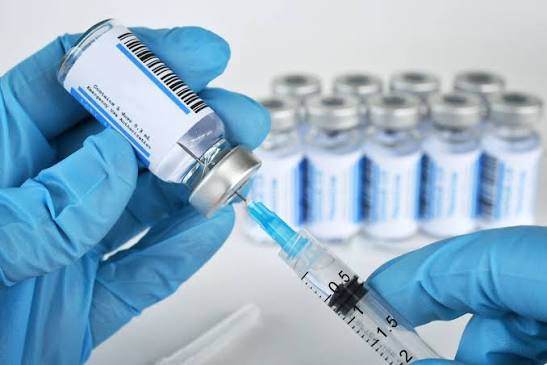
A personalised cancer vaccine has significantly reduced the risk of cancer returning in patients with high-risk melanoma, marking a major development in efforts to use the body's immune system to prevent the disease from coming back after surgery.
Detailed results released on Thursday, October 22, 2026, showed that the experimental vaccine, intismeran autogene, reduced the risk of cancer recurrence or death by 42% when combined with Merck's immunotherapy drug Keytruda, compared with Keytruda alone.
The Phase 3 clinical trial, conducted by pharmaceutical companies Moderna and Merck, involved more than 1,100 patients whose melanoma had been surgically removed. Participants received either the personalised vaccine alongside Keytruda or Keytruda with a placebo.
After two years, approximately 82% of patients receiving the combination treatment remained free of cancer recurrence, compared with 70% of those receiving Keytruda alone.
The findings offer encouraging evidence that tailoring treatment to the genetic characteristics of an individual patient's tumour could improve outcomes for people at high risk of their cancer returning.
The results were reported ahead of a presentation at the European Society for Medical Oncology (ESMO) Congress in Madrid, Spain, on October 24.
Although the vaccine remains investigational, the results represent an important milestone for personalised cancer medicine and the development of mRNA-based treatments beyond infectious diseases.
How the Personalised Cancer Vaccine Works
Unlike conventional vaccines designed to prevent infectious diseases, intismeran autogene is a therapeutic cancer vaccine intended to help the immune system recognise and attack cancer cells that may remain after surgery.
The treatment uses messenger RNA (mRNA) technology, the same general technology that helped enable the rapid development of some COVID-19 vaccines. However, its purpose is different: it is designed to direct the immune system against mutations specific to a patient's tumour.
To create the vaccine, scientists analyse genetic material from the patient's removed tumour and identify mutations that distinguish cancer cells from healthy cells. These mutations can produce abnormal proteins known as neoantigens.
Researchers then use the information to develop an individualised mRNA formulation containing instructions for the immune system to recognise selected tumour-specific targets.
Once administered, the vaccine helps the body produce and recognise these targets, encouraging immune cells, particularly T cells, to identify and attack cancer cells carrying the corresponding markers.
The objective is to help the immune system detect residual cancer cells that might otherwise escape detection and eventually cause the disease to return.
Preparing the complete personalised treatment process can take approximately six weeks, although the manufacturing of the vaccine itself may take only a few days after the individual formulation has been designed. (Associated Press)
Patients in the trial received nine doses of the experimental vaccine over several months, alongside standard immunotherapy.
Trial Shows Reduced Risk of Recurrence and Cancer Spread
The Phase 3 INTerpath-001 trial provides the strongest evidence so far for this particular personalised mRNA cancer treatment approach.
The trial assessed patients with completely resected stage IIB, IIC, III or IV cutaneous melanoma who had not previously received systemic treatment.
Its primary endpoint was recurrence-free survival, which measures how long patients remain alive without their cancer returning. A key secondary endpoint was distant metastasis-free survival, which assesses whether cancer spreads to distant parts of the body or patients die.
In addition to the 42% reduction in the relative risk of recurrence or death, the combination treatment reduced the relative risk of distant metastasis or death by 38%, compared with Keytruda alone.
These findings matter because melanoma can return even after surgeons have removed the visible tumour. For patients with high-risk disease, preventing recurrence and spread remains a central objective of follow-up treatment.
The results do not mean that 42% of patients were cured. Rather, the figure represents a relative reduction in the risk of recurrence or death compared with the control group.
Researchers will continue monitoring participants to determine whether the benefits persist over a longer period and whether the treatment improves overall survival.
What Experts Say About the Breakthrough
Cancer researchers have described the results as an important step towards more personalised treatments.
The approach is significant because it seeks to direct the immune system towards the specific characteristics of an individual's cancer rather than relying exclusively on treatments that target features shared across many tumours.
Highlighting the potential of personalised mRNA vaccines to improve melanoma treatment and possibly influence research into other cancers. (journal Nature)
The approach could eventually have applications in cancers such as lung, kidney and pancreatic cancer, although effectiveness in one cancer type cannot be assumed to translate to others.
Separate clinical trials are investigating personalised vaccines in several tumour types, with researchers examining how best to identify targets, manufacture treatments and combine them with existing therapies.
The latest findings nevertheless establish an important benchmark: this is the first positive Phase 3 result for an individualised neoantigen therapy and an mRNA-based cancer treatment, according to Merck and Moderna.
Side Effects, Cost and Regulatory Approval
Despite the encouraging findings, important questions remain before the vaccine can become widely available.
Reported side effects included injection-site pain, fatigue and other reactions commonly associated with mRNA vaccination. The combination's overall safety profile was considered manageable, although patients receiving cancer immunotherapy require medical supervision.
Cost is another concern. Personalised treatments require tumour analysis, individual formulation design and specialised manufacturing, potentially making them more expensive than standard medicines.
Moderna and Merck have not announced a final price for the vaccine. The companies said they would engage with regulatory authorities about submissions for approval following the positive Phase 3 findings.
The treatment has not yet been established as an approved, routinely available cancer vaccine. Patients should therefore continue to discuss evidence-based treatment options with their oncology teams rather than regard the experimental vaccine as a replacement for established care.
The trial also has limitations. Its findings relate specifically to high-risk melanoma treated after surgery, and further follow-up is needed to establish the durability of the benefits and the effect on overall survival.
Could Personalised Cancer Vaccines Transform Cancer Care?
The results could help accelerate the development of treatments tailored to individual patients, moving cancer care further towards precision medicine.
If future studies confirm sustained benefits and regulators approve the treatment, personalised cancer vaccines could become an additional option for patients whose cancers carry a substantial risk of returning after surgery.
The technology could also encourage researchers to investigate combinations of individualised vaccines and immunotherapy drugs for other cancers.
However, each new application will require clinical evidence demonstrating that the approach is safe and effective for that particular disease.
For now, the findings offer significant encouragement without representing a universal cure for cancer. The vaccine's greatest promise lies in its potential to help the immune system identify and eliminate cancer cells that survive initial treatment.
The next phase of research will determine whether this promising reduction in melanoma recurrence translates into longer lives and whether similar benefits can be achieved across a broader range of cancers.