FG Tightens Airport and Prison Security Amid Rising Terror Threat in Nigeria
Nigeria’s Federal Government has intensified security at airports and prisons following intelligence on planned terrorist attacks. Here’s what it means for national safety and stability.
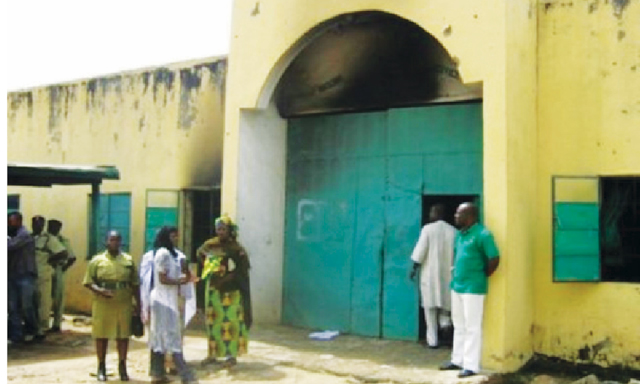
Nigeria’s Federal Government has moved decisively to strengthen security across key national infrastructure, particularly airports and correctional facilities, following credible intelligence of a potential terrorist plot. The development signals a renewed urgency within the country’s security architecture as authorities seek to prevent a repeat of past high-profile attacks.
Intelligence Warning Sparks Urgent Action
The latest security measures were triggered by intelligence reports suggesting that extremist groups are planning coordinated attacks on critical facilities in Abuja and neighbouring Niger State. According to official disclosures, potential targets include the Nnamdi Azikiwe International Airport, the Kuje Custodial Centre, and a military detention facility in Wawa.
The intelligence memo, reportedly issued by the Nigeria Customs Service, warned that fighters linked to groups such as Boko Haram, Islamic State West Africa Province (ISWAP), Ansaru, and Jama’at Nusrat al-Islam wal-Muslimeen may have already infiltrated parts of the Federal Capital Territory.
Their alleged objective is twofold: to damage critical aviation infrastructure and to orchestrate prison breaks that would free detained insurgents; an approach that mirrors previous terrorist strategies in the region. (Punch Newspapers)
Reinforced Security at Airports
In response, security agencies have significantly ramped up operations at major aviation hubs, particularly in Abuja. Authorities say multiple layers of security have been activated to detect and neutralize threats before they materialize.
The Nigeria Police Force, working alongside aviation security units, has intensified passenger and cargo screening, expanded surveillance coverage, and increased patrol presence within and around airport facilities.
Officials emphasized that intelligence-sharing among agencies has improved, allowing for quicker responses to evolving threats. Enhanced monitoring systems and stricter access controls are also now in place, targeting both travelers and airport personnel. (Real Estate in Nigeria)
According to airport security authorities, the system is designed to remain “a step ahead” of potential attackers, with continuous risk assessments guiding operational decisions.
Correctional Facilities on High Alert
Simultaneously, the Nigerian Correctional Service has placed custodial centers nationwide, especially those in Abuja, on heightened alert. Authorities have reinforced perimeter security, upgraded surveillance systems, and tightened internal monitoring procedures to prevent breaches. (Real Estate in Nigeria)
Officials reassured the public that proactive measures are already in place to safeguard inmates, personnel, and surrounding communities. They also urged citizens to remain calm while continuing their daily activities.
The focus on prisons is particularly significant given Nigeria’s recent history of coordinated jailbreaks. In July 2022, a major attack on the Kuje Correctional Centre led to the escape of hundreds of inmates, including suspected terrorists; an incident that exposed serious vulnerabilities in the system.
A Pattern of Targeting Strategic Infrastructure
Security experts note that airports and prisons are high-value targets for terrorist groups due to their symbolic and operational significance. Airports represent national connectivity and economic stability, while prisons house individuals that extremist groups may seek for free.
The current intelligence warning also draws parallels with attacks in neighboring Niger Republic, where militants targeted aviation facilities in cities like Niamey and Tahoua.
Such cross-border patterns underscore the regional nature of the threat, highlighting the need for coordinated responses not just within Nigeria, but across West Africa.
Multi-Agency Coordination and Response
A key aspect of the Federal Government’s strategy is enhanced collaboration among security agencies. The Nigeria Police Force, Nigeria Immigration Service, Nigeria Correctional Service, and other intelligence bodies are working in tandem to address the threat.
The Immigration Service has also heightened security across its facilities, while customs authorities have directed operatives to intensify surveillance and conduct thorough screening of all visitors to sensitive locations.
This coordinated approach reflects lessons learned from past incidents, where gaps in communication and delayed responses contributed to security breaches.
Expert Warnings and Public Concerns
Despite the government’s proactive measures, security analysts have urged authorities to take intelligence reports seriously and act decisively. They warn that previous failures to respond adequately to warnings have led to avoidable tragedies.
Experts also caution against concentrating security resources solely in Abuja, noting that surrounding states such as Niger, Kogi, Sokoto, and Zamfara remain vulnerable to infiltration.
There are also concerns about the politicization of security issues, which some analysts believe has undermined effective responses and weakened public trust.
Broader Security Implications
The tightening of security at airports and prisons has far-reaching implications beyond immediate safety concerns. Aviation infrastructure plays a critical role in Nigeria’s economy, facilitating trade, tourism, and investment. Any disruption could have significant economic consequences.
Similarly, the integrity of correctional facilities is essential for maintaining law and order. Successful prison breaks not only undermine public confidence but also risk returning dangerous individuals to society.
The current measures, therefore, represent not just a response to an immediate threat, but a broader effort to reinforce national resilience.
A Nation on Alert
Recent reports indicate that security forces across Nigeria are now on heightened alert, with increased vigilance around critical infrastructure. Intelligence agencies are continuing to monitor developments closely, while international partners have also taken note of the evolving situation. (AP News)
While authorities have sought to reassure the public, the situation underscores the persistent security challenges facing Africa’s most populous nation.
Conclusion
The Federal Government’s move to tighten security at airports and prisons marks a critical step in Nigeria’s ongoing battle against insurgency and terrorism. By reinforcing key infrastructure and enhancing inter-agency collaboration, authorities aim to prevent potential attacks and restore public confidence.
However, the effectiveness of these measures will depend on sustained vigilance, timely intelligence, and a commitment to addressing the root causes of insecurity. As Nigeria navigates this latest threat, the stakes remain high not just for national security, but for the country’s economic stability and global reputation.