FG Renames Lagos-Calabar Coastal Highway After President Tinubu, Citing His Vision for Landmark Project
The Federal Government has renamed the Lagos-Calabar Coastal Highway as the President Bola Ahmed Tinubu Coastal Highway, with the Minister of Works saying the decision recognises Tinubu’s long-standing vision for the transformational infrastructure project.
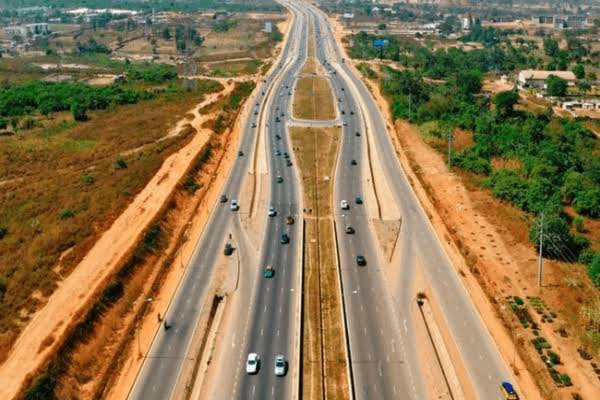
The Federal Government has officially renamed the Lagos-Calabar Coastal Highway as the President Bola Ahmed Tinubu Coastal Highway, describing the move as a recognition of President Bola Ahmed Tinubu's long-standing vision and commitment to delivering one of Nigeria's most ambitious infrastructure projects.
Minister of Works, David Umahi, announced the decision during a media briefing in Abuja, stating that the Ministry of Works resolved to name the 750-kilometre highway after President Tinubu following consultations with the ministry's leadership.
According to Umahi, the President conceived the idea for the coastal highway decades before assuming office, and his administration has now turned the vision into reality through the commencement of construction across multiple sections of the project.
The announcement has generated widespread public discussion, with supporters describing the renaming as a fitting recognition of Tinubu's contribution to national infrastructure development, while critics have questioned the timing of naming a project that is still under construction.
Umahi Explains the Decision
Speaking during the briefing, Umahi said the decision was taken by the leadership of the Ministry of Works after extensive consultations involving the Permanent Secretary, the Minister of State, directors and senior officials.
He explained that President Tinubu first envisioned the coastal highway more than two decades ago during his tenure as Governor of Lagos State and remained committed to the concept long before becoming Nigeria's President.
"By the powers conferred on me as Minister of Works, and in consultation with the Permanent Secretary, the Minister of State, directors and staff of the ministry, we have decided to name the entire Lagos-Calabar Coastal Highway after President Bola Ahmed Tinubu because of his dream for it," Umahi said.
The minister stressed that the renaming was intended to immortalise the President's vision for what he described as a transformational national project.
One of Nigeria's Biggest Highway Projects
The Lagos-Calabar Coastal Highway is among the Federal Government's flagship infrastructure initiatives and forms part of the administration's broader "Legacy Projects."
When completed, the highway will stretch approximately 750 kilometres from Lagos through several coastal states before terminating in Calabar, Cross River State.
The road is expected to pass through Lagos, Ogun, Ondo, Delta, Bayelsa, Rivers, Akwa Ibom and Cross River States, significantly improving connectivity along Nigeria's Atlantic coastline.
Government officials believe the project will reduce travel time, facilitate interstate commerce, improve logistics and stimulate economic activities across the southern corridor.
Construction is already underway in several sections, with contractors working simultaneously in different locations.
Expected Economic Benefits
According to the Ministry of Works, the coastal highway is designed to unlock substantial economic opportunities across multiple sectors.
Officials say the project will enhance access to seaports, industrial clusters, tourism destinations and agricultural communities while supporting regional integration.
The road is also expected to improve the evacuation of goods, reduce transportation costs and encourage private investment in coastal communities.
Economists have noted that large-scale transportation infrastructure often contributes to increased productivity by improving the movement of people and goods.
Government estimates suggest the project could generate thousands of direct and indirect jobs during construction and after completion through expanded commercial activities.
Additional Infrastructure Projects Approved
Beyond announcing the renaming, Umahi disclosed that President Tinubu had approved additional road projects aimed at strengthening Nigeria's transportation network.
These include the extension of the Fourth Legacy Highway by approximately 400 kilometres and the reconstruction of sections of the Lagos-Ibadan Expressway.
The minister described the approvals as part of the administration's long-term commitment to improving national infrastructure and supporting economic growth through strategic investments in transportation.
He said the new projects would complement existing highway developments and improve connectivity between major commercial centres.
Mixed Public Reactions
The decision to rename the highway has attracted mixed reactions from Nigerians.
Supporters argue that it is common international practice to name significant infrastructure after leaders who initiated or completed landmark projects.
They contend that the coastal highway represents one of the most ambitious road projects in Nigeria's history and reflects President Tinubu's infrastructure agenda.
However, some critics have questioned whether the renaming should have been deferred until the project's completion.
Others have suggested that major national infrastructure should retain geographically descriptive names or be named after historical figures following broader public consultation.
The debate has continued across traditional and social media platforms since the announcement.
Importance of the Coastal Highway
Transportation experts regard the Lagos-Calabar Coastal Highway as a strategic investment capable of transforming Nigeria's coastal economy.
The corridor links several major ports, oil-producing communities, tourist destinations and commercial centres that contribute significantly to national economic output.
Improved road infrastructure is expected to reduce travel time between southern states while providing alternative transportation routes for freight movement.
The project also includes modern engineering features designed to withstand coastal environmental conditions and support long-term sustainability.
Government officials have consistently described the highway as a catalyst for regional development and economic diversification.
A Legacy Infrastructure Agenda
Since assuming office, the Tinubu administration has prioritised infrastructure development as a key component of its economic reform programme.
Several ongoing highway, railway and bridge projects have been identified as strategic investments intended to improve national competitiveness and facilitate private-sector growth.
The Ministry of Works says continued investment in transportation infrastructure will strengthen regional integration, reduce logistics costs and improve access to markets across Nigeria.
Officials maintain that large-scale infrastructure remains essential for achieving sustainable economic development.
Looking Ahead
The renaming of the Lagos-Calabar Coastal Highway marks another milestone in the implementation of one of Nigeria's largest infrastructure projects.
While public debate over the decision continues, construction work is progressing on various sections of the highway, with the government expressing confidence that the project will deliver lasting economic and social benefits.
As the newly named President Bola Ahmed Tinubu Coastal Highway advances toward completion, attention will increasingly focus on meeting construction timelines, ensuring quality delivery and maximising the economic opportunities expected to emerge along Nigeria's Atlantic coastline.
Whether viewed as a symbolic recognition of presidential vision or a controversial political decision, the renaming has undoubtedly added another chapter to the evolving story of one of the country's most ambitious transportation projects.