FG Awards ₦3.8bn Solar Mini-Grid to Dangote University: A Turning Point for Nigeria’s Energy Future
Nigeria’s Federal Government approves a ₦3.8bn solar mini-grid project at Aliko Dangote University. Here’s what it reveals about energy policy, reasons behind it, and implications for the power sector.
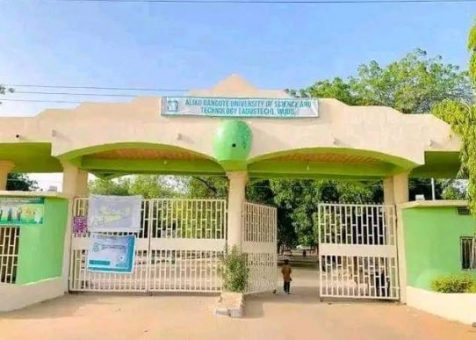
Nigeria’s push toward alternative energy has gained fresh momentum following the Federal Government’s approval of a ₦3.8 billion solar mini-grid project at Aliko Dangote University of Science and Technology.
The initiative, part of President Bola Ahmed Tinubu’s broader “Renewed Hope” solarisation agenda, is more than just an infrastructure project, it is a strategic signal of where Nigeria’s energy future is heading.
Project Overview
The Federal Government, through the Ministry of Innovation, Science and Technology, awarded the contract for the construction of a 2-megawatt solar mini-grid to power the university located in Wudil, Kano State. (Punch Newspapers)
According to the Energy Commission of Nigeria, the project is expected to be completed within three months and will significantly improve electricity supply within the institution. (Punch Newspapers)
The solar mini-grid is part of a nationwide intervention targeting critical infrastructure such as hospitals, universities, and rural communities. (Punch Newspapers)
Why the Government is Investing in Solar
The decision to deploy solar mini-grids in tertiary institutions reflects several underlying realities in Nigeria’s energy sector.
1. Chronic Power Shortages
Nigeria continues to struggle with unreliable electricity supply, with many institutions relying heavily on diesel generators. Frequent outages disrupt academic activities, research, and overall productivity.
The tragic case of patients reportedly dying due to power outages in a Kano hospital further underscored the urgency of alternative energy solutions. (energyworthonline.com.ng)
2. Rising Cost of Energy
The cost of diesel and petrol has surged in recent years, making generator-powered electricity increasingly unsustainable for institutions.
Solar energy offers a cleaner and more cost-effective alternative, particularly for campuses with predictable energy needs.
3. Global Energy Transition
Nigeria is aligning itself with global trends toward renewable energy as part of climate commitments and sustainability goals. Solar mini-grids provide decentralized solutions that can be deployed quickly and efficiently.
What This Reveals About Government Strategy
The ₦3.8bn project offers deeper insights into Nigeria’s evolving energy policy.
Decentralisation of Power
Rather than relying solely on the national grid, the government is increasingly embracing decentralized energy systems. Mini-grids allow institutions to generate and manage their own electricity, reducing dependence on the fragile national grid.
Focus on Critical Infrastructure
By prioritizing universities and hospitals, the government is targeting sectors where power stability has the greatest social impact. Reliable electricity in these areas directly affects education, healthcare, and national development.
Speed and Scalability
The three-month completion timeline highlights a shift toward faster, modular energy solutions. Unlike large-scale power plants that take years to build, solar mini-grids can be deployed relatively quickly.
Implications for Nigeria’s Energy Sector
The Dangote University project could have far-reaching implications for the broader energy landscape.
1. Expansion of Mini-Grid Solutions
If successful, the project could serve as a model for similar interventions across the country. Nigeria’s vast rural population, many of whom lack access to electricity, could benefit significantly from mini-grid systems.
2. Reduced Pressure on the National Grid
Decentralized solar projects can ease the burden on the national grid, which has long struggled with generation and transmission challenges.
By shifting some demand to off-grid solutions, the government can improve overall system efficiency.
3. Boost for Renewable Energy Investment
The project sends a strong signal to investors that Nigeria is serious about renewable energy. This could attract both local and international investments into the solar sector.
4. Job Creation and Innovation
The deployment of solar infrastructure creates opportunities for job creation in installation, maintenance, and technical training. It also encourages innovation in energy management and storage technologies.
Challenges and Concerns
Despite its promise, the initiative is not without challenges.
Sustainability and Maintenance
Solar infrastructure requires proper maintenance to ensure long-term functionality. Without adequate technical support, such projects risk becoming underutilized.
Funding and Scalability
While ₦3.8bn is significant, scaling similar projects nationwide will require substantial financial resources and strong public-private partnerships.
Policy Consistency
Nigeria’s energy sector has historically been affected by policy inconsistencies. Sustained commitment will be crucial to ensuring the success of renewable energy initiatives.
A Step Toward Energy Independence
The solar mini-grid at Aliko Dangote University of Science and Technology represents more than just a power project, it symbolizes a shift toward energy independence.
For institutions, it means reduced reliance on erratic grid supply and expensive generators. For the nation, it signals a gradual transition to a more resilient and sustainable energy system.
Conclusion
The Federal Government’s ₦3.8bn solar mini-grid project at Dangote University marks a significant step in Nigeria’s energy transition journey.
By embracing renewable energy, decentralization, and targeted infrastructure investment, the administration of Bola Ahmed Tinubu is laying the groundwork for a more stable and sustainable power sector.
However, the true impact of this initiative will depend on its execution, scalability, and integration into a broader, long-term energy strategy.
For now, it offers a glimpse of hope in a sector that has long been plagued by challenges—and a reminder that Nigeria’s energy future may well be powered by the sun.