Ferrari Unveils First Fully Electric Supercar in Historic Shift Toward EV Future
Ferrari has officially unveiled its first fully electric car, marking a historic transformation for the luxury Italian automaker as it enters the rapidly growing electric vehicle market.
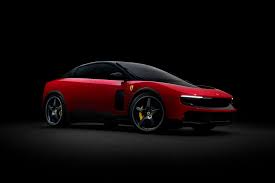
Italian luxury automaker Ferrari has officially unveiled its first fully electric supercar, marking one of the most significant moments in the company’s history and signaling a major shift in the global high-performance automobile industry.
The historic unveiling, which took place at Ferrari’s headquarters in Maranello, Italy, attracted worldwide attention from automotive enthusiasts, investors, and industry analysts eager to see how the legendary sports car brand would enter the electric vehicle era.
Known globally for its roaring combustion engines and Formula One racing heritage, Ferrari’s decision to launch a fully electric vehicle (EV) represents a bold transformation for one of the world’s most iconic automotive companies.
Ferrari executives described the launch as “the beginning of a new chapter” while insisting that the company would preserve the emotional driving experience and performance standards that define the brand.
Ferrari Enters the Electric Vehicle Race
The unveiling comes amid increasing global pressure on automakers to transition toward cleaner energy technologies and reduce carbon emissions.
Luxury and performance car manufacturers around the world have been accelerating investments in electric mobility as governments tighten environmental regulations and consumer demand for EVs continues to rise.
Ferrari had previously introduced hybrid models, including the SF90 Stradale and 296 GTB, but this marks the company’s first entirely electric production vehicle.
Industry experts say the move places Ferrari in direct competition with electric high-performance manufacturers such as Tesla, Porsche, and emerging luxury EV brands.
Historic Reveal at Maranello
The official unveiling ceremony was held at Ferrari’s Maranello facility, where company executives, engineers, investors, and invited guests gathered to witness the debut of the new electric supercar.
Although Ferrari has not yet publicly confirmed the official commercial name of the vehicle, executives revealed that the EV combines advanced battery technology with Ferrari’s traditional focus on speed, design, and driving dynamics.
The sleek, aerodynamic model features a futuristic design while maintaining visual elements associated with Ferrari’s iconic styling heritage.
During the presentation, Ferrari Chairman John Elkann described the car as “a milestone born from innovation, engineering excellence, and respect for Ferrari’s DNA.”
CEO Benedetto Vigna said the company had spent years developing technologies capable of delivering an authentic Ferrari experience without a traditional combustion engine.
Performance Remains a Key Focus
Ferrari executives emphasized that despite the shift to electric propulsion, performance remains central to the brand’s identity.
According to preliminary specifications revealed during the launch, the electric supercar is expected to deliver exceptional acceleration, high top speeds, and advanced handling systems comparable to Ferrari’s most powerful petrol-powered vehicles.
The company also highlighted proprietary sound engineering technologies designed to create an emotional driving experience despite the absence of a traditional engine roar.
One of the biggest concerns among Ferrari enthusiasts has been whether electric technology could preserve the emotional appeal historically associated with Ferrari sports cars.
Executives insisted that engineers had focused intensely on maintaining what they described as the “soul of Ferrari” throughout the development process.
Massive Investment in Electric Technology
Ferrari’s entry into the EV market follows years of investment in electric mobility infrastructure and research.
The company recently expanded its manufacturing facilities in Maranello to support the production of electric powertrains, battery systems, and hybrid technologies.
Ferrari has also reportedly increased collaboration with advanced battery developers and software engineers to compete effectively in the increasingly technology-driven automotive sector.
Analysts say Ferrari’s transition reflects broader changes across the global luxury car market, where even traditionally conservative performance brands are embracing electrification.
Luxury automakers such as Lamborghini, Maserati, and Aston Martin have also announced ambitious electrification plans.
Investors and Markets React Positively
Financial markets reacted positively to Ferrari’s unveiling of its electric car, with investors viewing the move as essential to the company’s long-term competitiveness.
Shares of Ferrari reportedly gained momentum following the announcement as analysts praised the company’s ability to adapt to changing global automotive trends without abandoning its premium brand positioning.
Experts say Ferrari faces a delicate balancing act: embracing sustainability while preserving the exclusivity and performance culture that makes the brand globally admired.
Some analysts believe Ferrari’s strong brand loyalty and limited production strategy may give it an advantage in the luxury EV market.
Challenges Ahead for Ferrari
Despite the excitement surrounding the launch, Ferrari’s transition into electric vehicles also presents significant challenges.
Traditional Ferrari customers have long valued the distinctive sound and mechanical characteristics of the brand’s high-revving V8 and V12 engines.
Some automotive enthusiasts remain skeptical about whether fully electric technology can replicate the emotional connection associated with Ferrari’s traditional models.
Additionally, competition in the luxury EV market is intensifying rapidly, with both established automakers and new technology-driven entrants racing to dominate the segment.
Ferrari will also face pressure to maintain profitability while investing heavily in battery technology, software systems, and charging infrastructure.
Sustainability and the Future of Supercars
The launch highlights how sustainability is reshaping even the world’s most prestigious performance car brands.
Governments across Europe, North America, and parts of Asia are introducing stricter emissions regulations and planning eventual bans on the sale of new petrol-powered vehicles.
As a result, automakers are increasingly being forced to rethink product strategies and embrace cleaner technologies.
Ferrari executives acknowledged these realities during the unveiling, saying the company intends to combine environmental responsibility with uncompromising performance.
The company has stated previously that internal combustion engines will remain part of its lineup for years to come, particularly in hybrid configurations.
However, the debut of a fully electric Ferrari represents a major symbolic turning point for the automotive industry.
Global Automotive Industry Watches Closely
The unveiling of Ferrari’s first EV is expected to influence the broader luxury performance of the car sector significantly.
Automotive analysts say consumer reactions to the vehicle could shape how other elite sports car brands approach electrification in the coming years.
The launch also demonstrates how electric mobility is no longer limited to mainstream transportation but is increasingly becoming central to high-end automotive engineering and innovation.
For Ferrari, the challenge will now shift from unveiling the vehicle to proving that an electric supercar can deliver the same passion, prestige, and excitement that made the brand legendary.
Conclusion
Ferrari’s historic unveiling of its first fully electric car marks a transformative moment not only for the Italian automaker but also for the future of luxury performance vehicles worldwide.
As the automotive industry accelerates toward electrification, Ferrari’s entry into the EV market signals that even the most tradition-rich brands are embracing change.
While questions remain about how loyal enthusiasts will respond, the launch represents a bold statement that the future of supercars is increasingly electric.