Feminine Health Guide: What Menstrual Blood Can Reveal About Your Health
Menstrual blood can provide important clues about reproductive and overall health. Learn what different menstrual colors, flow patterns, and symptoms may reveal about hormonal balance, infections, and wellness.
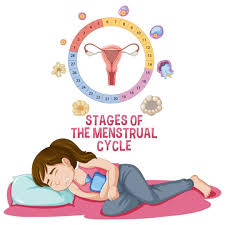
Menstruation is a natural biological process experienced by millions of women worldwide, yet it is often surrounded by misinformation and silence. Beyond simply marking the monthly cycle, menstrual blood can provide valuable insights into a woman’s overall health.
Doctors and gynecologists say that the color, texture, flow, and timing of menstrual blood can reveal important clues about hormonal balance, reproductive health, and possible medical conditions. Understanding these signs can help women recognize when their bodies are functioning normally and when medical attention may be needed.
Here is what menstrual blood may reveal about your health and when changes might signal underlying issues.
What Is Menstrual Blood?
Menstrual blood is not simply blood. It is a mixture of several components, including blood from the uterine lining, tissue from the endometrium, cervical mucus, and vaginal secretions. Each month, the body prepares for pregnancy by thickening the uterine lining. If pregnancy does not occur, the body sheds this lining, resulting in menstrual bleeding. (health.clevelandclinic.org). The characteristics of menstrual blood may vary from person to person, but significant changes in appearance or pattern may indicate shifts in health.
What the Color of Menstrual Blood May Mean
One of the most noticeable aspects of menstrual blood is its color. Different shades can reflect the age of the blood and how quickly it leaves the uterus.
Bright Red Blood
Bright red blood usually appears during the heaviest part of the menstrual cycle. It indicates fresh blood that is flowing quickly from the uterus.
This color is generally considered normal and healthy during active menstrual flow. (medicalnewstoday.com)
Dark Red or Brown Blood
Dark red or brown menstrual blood typically appears at the beginning or end of a period.
This color occurs when blood has remained in the uterus longer and oxidized before leaving the body. In most cases, brown menstrual blood is completely normal and does not signal a problem. (healthline.com)
Black Menstrual Blood
Black blood may look alarming, but it often simply indicates older blood that has taken longer to exit the uterus.
However, in rare cases, black discharge accompanied by a foul smell may indicate a vaginal blockage or infection, which should be evaluated by a healthcare provider.
Pink Menstrual Blood
Pink-colored menstrual blood is often associated with lower estrogen levels. This may occur in women who are using hormonal birth control, are in the early stages of menopause, and experience significant weight loss or intense physical activity. Low estrogen can sometimes weaken the uterine lining, leading to lighter and pinkish bleeding.
Orange or Gray Blood
Unusual colors such as orange or gray menstrual discharge may indicate infection. These colors can sometimes be linked to bacterial vaginosis or sexually transmitted infections (STIs), particularly if accompanied by unusual odor, itching, or irritation. Medical professionals recommend seeking medical advice if these symptoms appear.
What the Flow of Menstrual Blood Can Reveal
In addition to color, the volume and duration of menstrual flow can provide insights into reproductive health.
Heavy Flow (Menorrhagia)
Some women experience very heavy menstrual bleeding, medically known as menorrhagia. Symptoms may include soaking through pads or tampons every hour, periods lasting longer than seven days, and passing large blood clots. Heavy periods can sometimes be linked to conditions such as uterine fibroids, hormonal imbalances, thyroid disorders, or bleeding disorders. (mayoclinic.org)
Light or Irregular Flow
Very light or irregular periods may be caused by; Stress, Significant weight changes, Hormonal birth control, Polycystic ovary syndrome (PCOS), Thyroid problems and Irregular cycles may also occur naturally during adolescence or perimenopause. (who.int)
Blood Clots During Menstruation
Small blood clots during menstruation are common, especially during heavier flow days.
However, large or frequent clots may indicate excessive bleeding or underlying conditions such as fibroids or hormonal imbalance.
Monitoring clot size and frequency can help doctors assess menstrual health.
What Menstrual Odor Can Indicate
Menstrual blood typically has a mild odor caused by natural bacteria in the vagina.
However, strong or foul odors may signal infections such as bacterial vaginosis, sexually transmitted infections, and forgotten tampons or menstrual products. If a strong odor is accompanied by itching, irritation, or unusual discharge, medical evaluation is recommended.Menstrual Cycles as a Vital Sign
In recent years, healthcare experts have begun describing the menstrual cycle as a “vital sign” for women’s health. Regular cycles often reflect balanced hormones and overall reproductive health. Changes in menstrual patterns may indicate broader health issues such as: Hormonal disorders, nutritional deficiencies, chronic stress, thyroid disease, and reproductive system conditions. Tracking menstrual cycles can therefore help women identify patterns and recognize unusual changes. (acog.org)
When to See a Doctor
While many menstrual variations are normal, medical experts advise consulting a healthcare professional if you experience; Periods lasting longer than seven days, extremely heavy bleeding, or severe menstrual pain, bleeding between periods, unusual discharge with odor, or missed periods without pregnancy. Early evaluation can help detect and treat underlying conditions before they become serious.
Supporting Healthy Menstrual Cycles
Maintaining menstrual health involves several lifestyle factors, including:
- Eating a balanced diet rich in iron and vitamins
- Managing stress levels
- Getting regular physical activity
- Maintaining a healthy weight
- Scheduling routine gynecological checkups
These habits support hormonal balance and reproductive health.
Conclusion
Menstrual blood can reveal far more than the arrival of a monthly cycle. Its color, flow, texture, and timing can offer valuable clues about hormonal balance, reproductive health, and overall well-being.
By paying attention to these signs and tracking menstrual patterns, women can better understand their bodies and detect potential health issues early. While variations are common and often normal, significant or persistent changes should always be discussed with a healthcare professional.
Ultimately, greater awareness and open conversation about menstrual health can empower women to take proactive steps toward better physical and reproductive health.